Category: Research and program updates

  • SFSS webinar 4/9: Rethinking Religious Environmentalism: Varieties of Latinx Catholic Expressions

    SFSS webinar 4/9: Rethinking Religious Environmentalism: Varieties of Latinx Catholic Expressions

    How to attend

    We are glad to announce that the remainder of this semester’s Sustainable Futures Speaker Series will be going online via webinar… visit our speaker series page for the schedule of upcoming events! Talks will be given from 5:30-7:00 pm on Thursday evenings (Pacific). Each lecture will be streamed via Zoom with closed captioning, and will be followed by a Q&A discussion period. All events are free and open to the public. Questions? Please email info@schatzcenter.org.

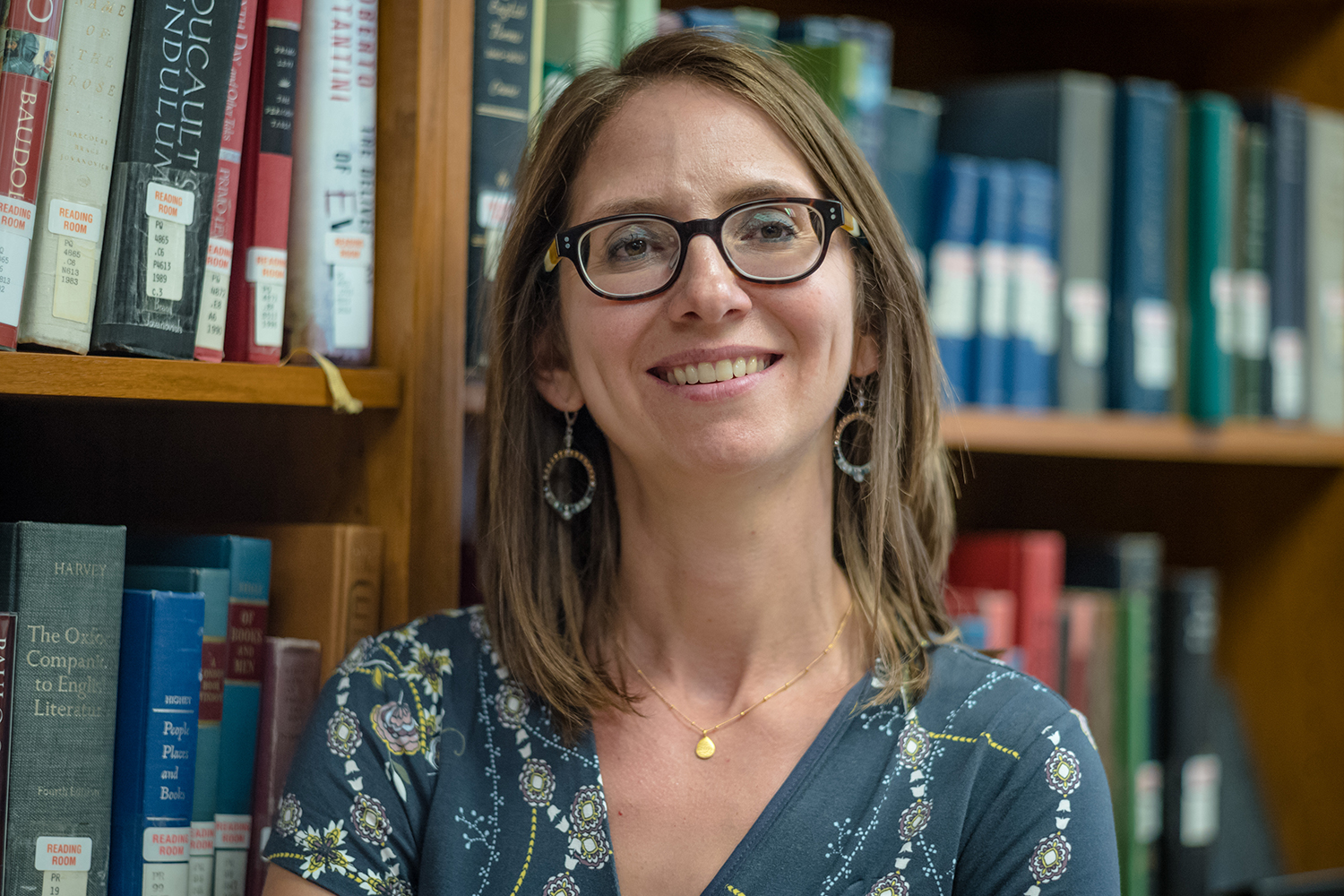
    April 9: Amanda Baugh

    Amanda Baugh is an Associate Professor of Religious Studies at California State University, Northridge, who specializes in the study of religion, race, and environmental values among diverse American groups. She is the author of “God and the Green Divide: Religious Environmentalism in Black and White” (University of California Press, 2016).

    The Sustainable Futures Speaker Series stimulates interdisciplinary collaboration around issues related to energy, the environment, and society. Lectures are sponsored by the Schatz Energy Research Center, the Environment & Community graduate program, and the College of Arts, Humanities & Social Sciences at Humboldt State.

  • The 2020 Global Off-Grid Solar Market Trends Report from Lighting Global

    The 2020 Global Off-Grid Solar Market Trends Report from Lighting Global

    Since 2009, the Schatz Center has worked closely with the World Bank’s Lighting Global initiatives to increase energy access worldwide by improving the quality assurance of solar products.

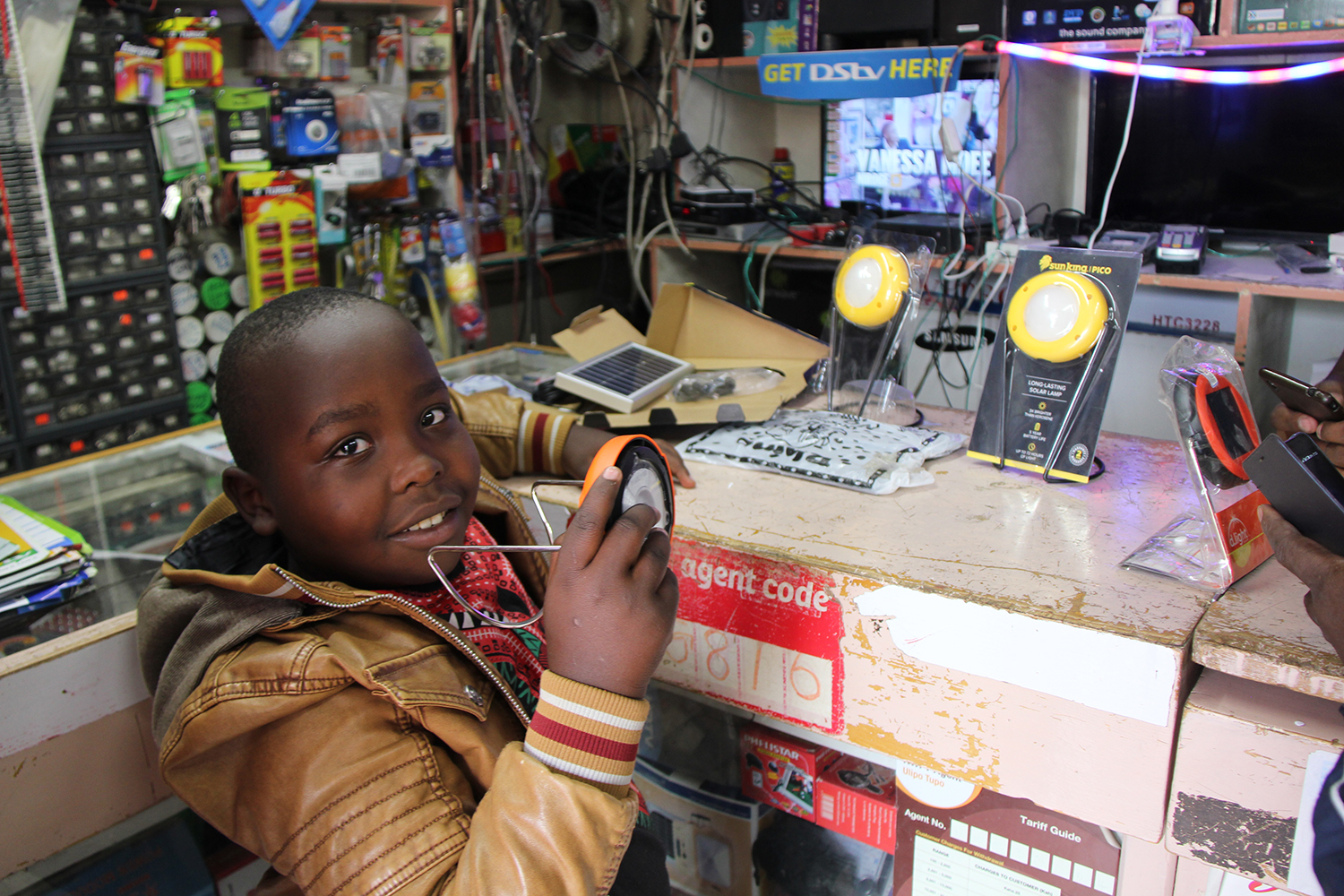
    Every two years, Lighting Global releases a comprehensive state of the industry analysis — the Global Off-Grid Solar Market Trends Report. This document takes a deep dive into market dynamics and projections, and maps investment and policy opportunities.

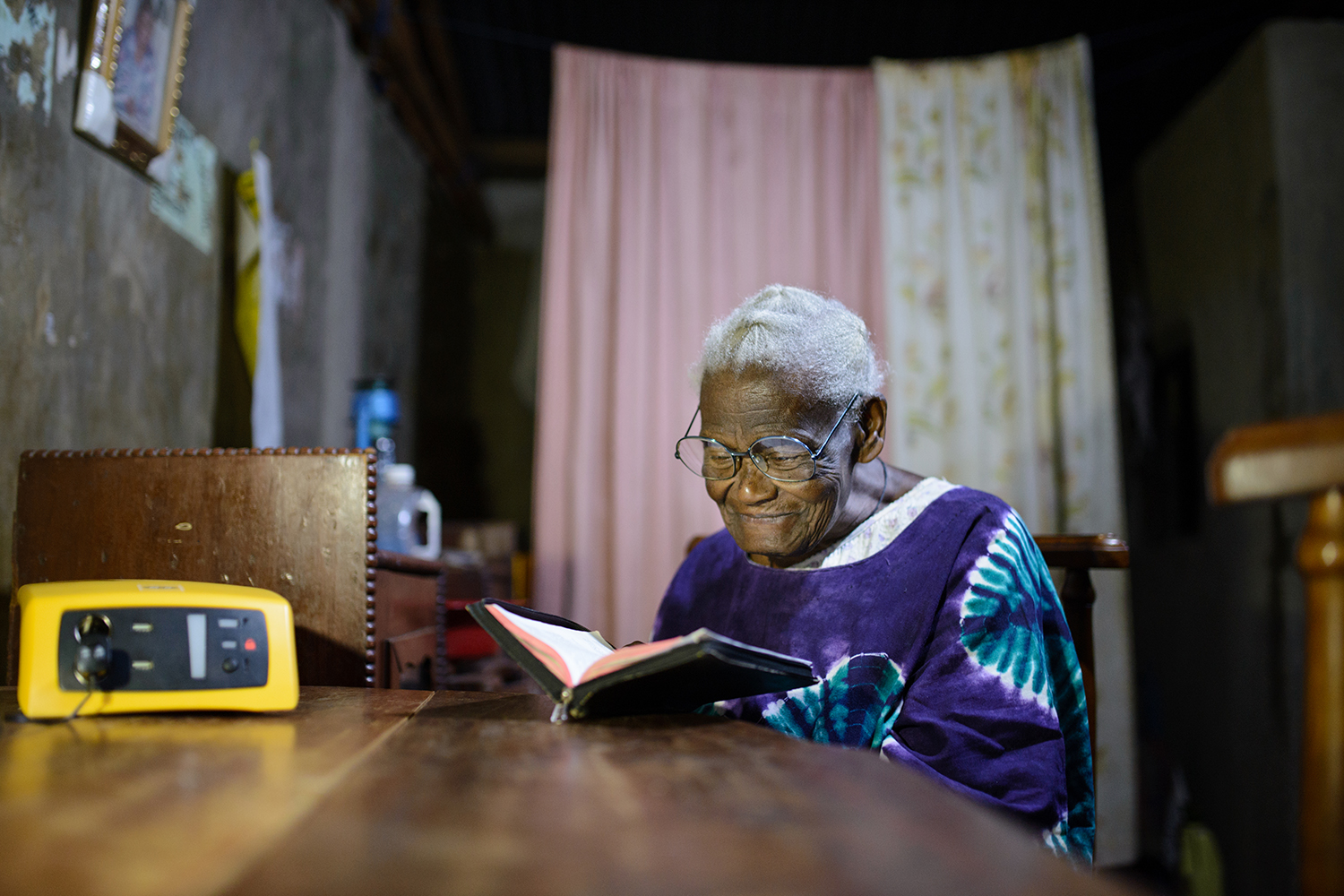
    As the energy access industry has matured, it has moved beyond its early focus on solar lamps and begun to tackle a wider diversity of energy needs. For example, solar water pump systems could increase irrigation for over 67 million smallholder farmers in Sub-Saharan Africa, South Asia, and Southeast Asia. Solar-based cold storage could enhance operations for over six million smallholder dairy and horticulture farmers in Sub-Saharan Africa. And, critically, health facilities and schools in many low and middle-income countries currently operate without power — according to UNESCO, only 34% of primary schools in Sub-Saharan Africa and 52% in South Asia have electricity.

    The off-grid solar sector currently meets the basic electricity needs for 231 million people. This year’s Market Trends Report estimates that to provide universal access by 2030, off-grid solar products would have to meet the energy needs of up to 617 million people. This would require a steep acceleration of solar product deployment, strong collaboration across stakeholder groups, and pairing supportive government policies with innovations in manufacturing, customer service, and financing.

    Read the report…

    Related Schatz Center projects:

    Last summer, our quality assurance lab conducted testing for the first off-grid solar water pump competition, and our team is currently finalizing a report on off-grid refrigeration that explores the potential for these systems to support farming and food distribution. We are also working in cooperation with the ECOWAS Centre for Renewable Energy and Energy Efficiency and government partners in Nigeria and Niger to develop a new approach to procurement, installation, and maintenance ofsolar systems at public facilities in West Africa.

  • Join us at the Global Off-Grid Solar Forum & Expo

    Join us at the Global Off-Grid Solar Forum & Expo

    Join us in Nairobi on February 18-20, for the annual Global Off-Grid Solar Forum & Expo. Five members of the Schatz Center’s off-grid team will be participating in the conference: Arne Jacobson, Nicholas Lam, Kristen Radecsky, Kim Thorpe, and Kaileigh Vincent-Welling.

    On Thursday, February 20, Schatz Center Director Arne Jacobson will join Lauren Boucher, Ari Reeves, and Elisa Lai of CLASP for a session on quality assurance for modern off-grid energy. Building on the foundation laid by Lighting Global Quality Assurance, CLASP and the Schatz Center are expanding the QA program to cover a broader range of off-grid solar products. The program will also achieve a major milestone this year, with the International Electrotechnical Commission (IEC) publishing quality standards for off-grid solar products. The session will explore program changes upcoming in 2020, and invite feedback from participants on QA product data and services.

    Later that day, Schatz research scientist Nicholas Lam will join Robin Gravesteijn of the United Nations Capital Development Fund and Joyce Nkuyahaga of the Uganda Solar Energy Association for a panel on digital inclusivity for energy access in Uganda. This session will explore pay-as-you-go strategies for financing electrical access, and whether energy access in turn expands financial inclusivity.

  • Yurok Tribe celebrates new solar array in Tulley Creek

    Yurok Tribe celebrates new solar array in Tulley Creek

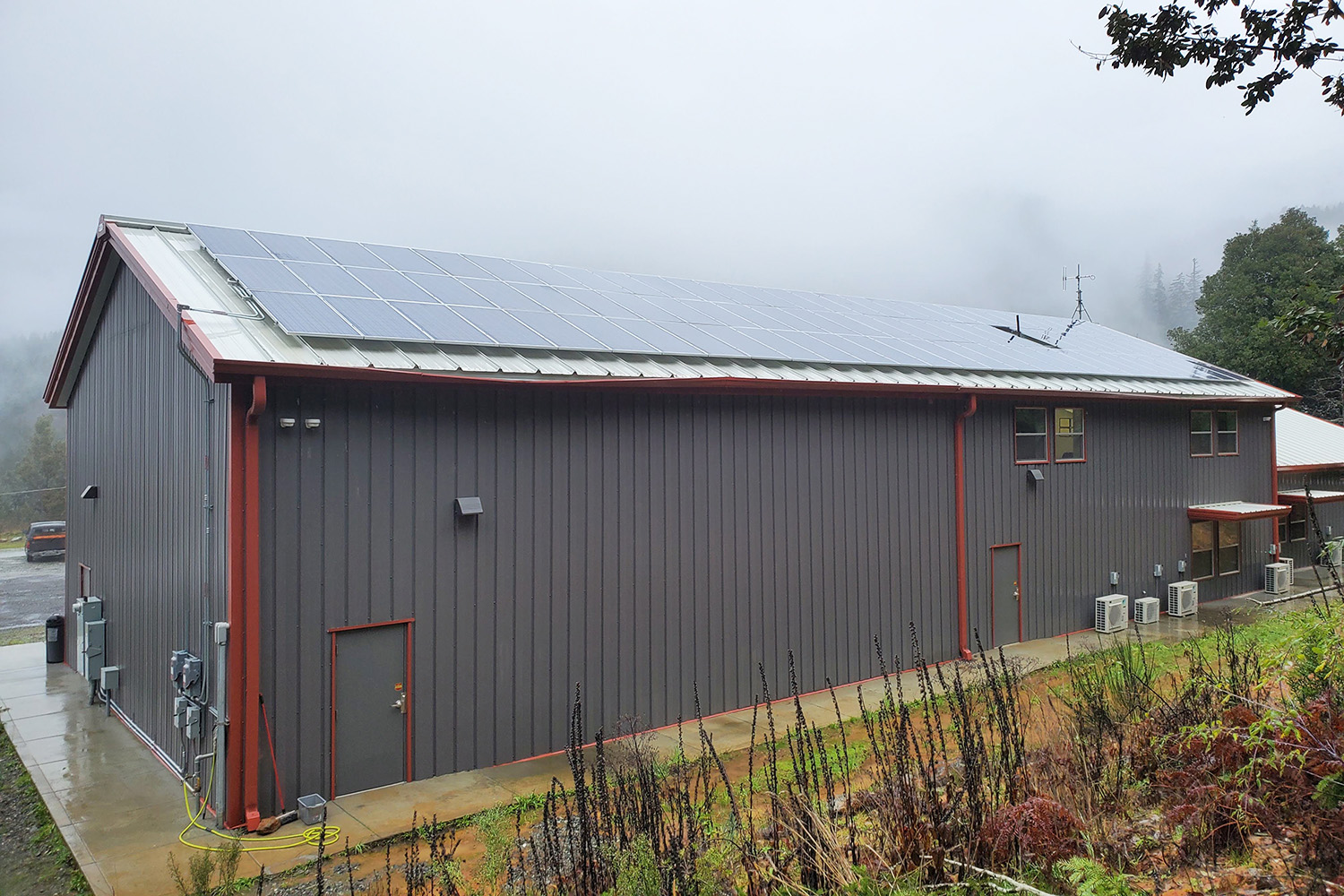
    On December 19, the Yurok Tribe celebrated the installation of a new, 28 kW solar photovoltaic system on the Tulley Creek Transportation Building, and announced plans to install a second, 24 kW system on the Tulley Creek Firehouse.

    This first system is supported by a Solar Accelerator Fund Grant from GRID Alternatives and Wells Fargo. The second will be supported by a Cornerstone Grant from the Charitable Foundation of the Energy Bar Association.

    These two systems are early project goals identified in the Tribe’s newly created Strategic Energy Action Plan, and together are a first step toward fulfilling the Tribe’s Energy Vision:

    “To make sure all Tribal members living within the Yurok Ancestral Territory have access to reliable, affordable, modern, cost-effective energy services. In addition, the Tribe seeks an energy program that promotes energy self-sufficiency, environmental sustainability, use of local renewable resources, job creation, and economic opportunity for Tribal members.”

    Yurok Tribe Energy Vision

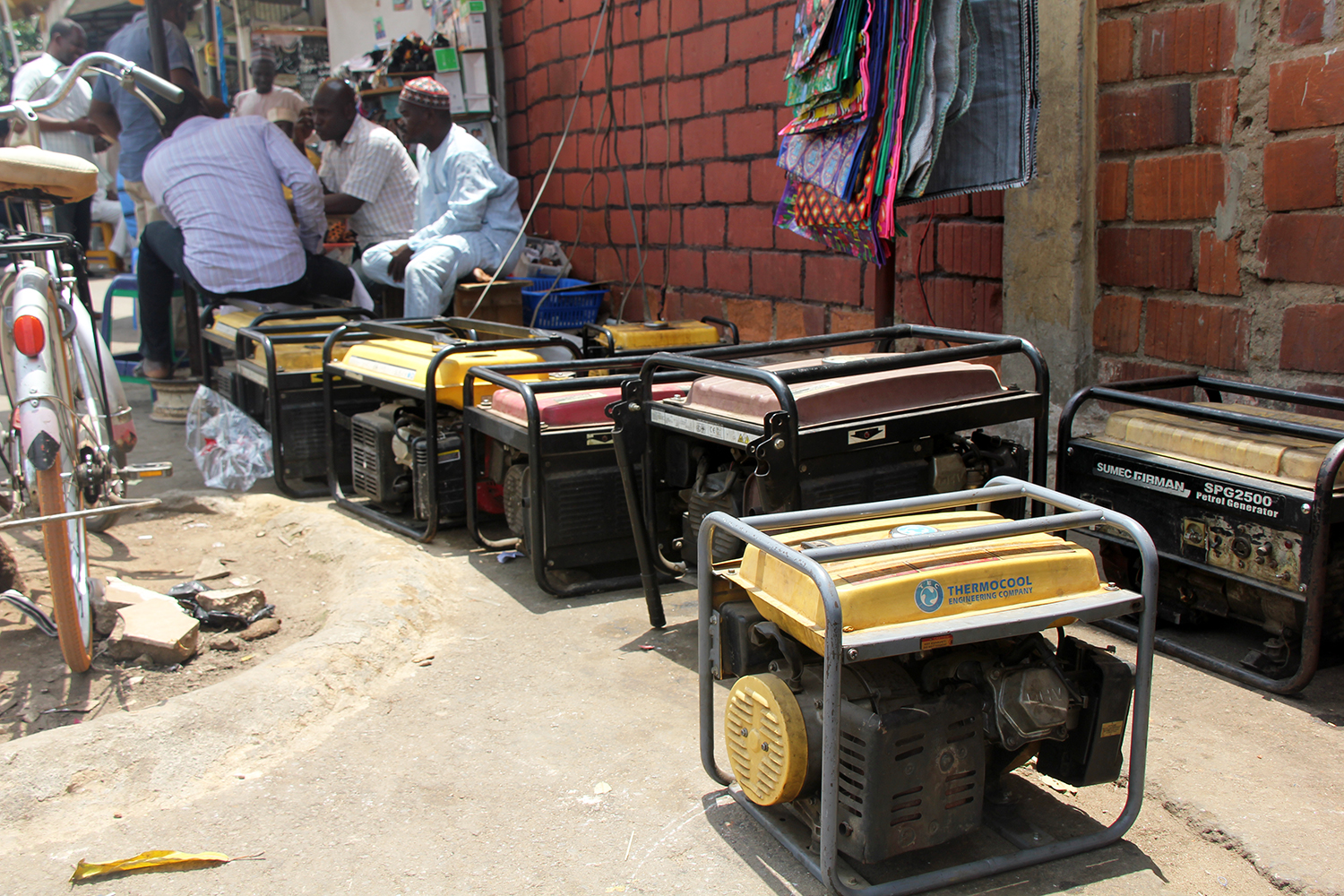
    About 40% of families in the Weitchpec and Pecwan districts do not have access to grid electricity, and must rely instead on generators for their electricity supply. The Yurok Strategic Energy Action Plan outlines a strategy for the creation of a tribal energy program to provide residents with clean, affordable energy. This plan was developed by the Yurok Tribe in collaboration with the Schatz Center, and supported by a grant from the U.S. Department of Energy.

    Learn more about the Yurok Tribe’s strategic energy efforts

  • Three questions for Deepti Chatti

    Three questions for Deepti Chatti

    Dr. Deepti Chatti joined the Schatz Energy Research Center this fall as a faculty associate, and is an Assistant Professor in Humboldt State’s Environmental Studies department.

    Maia: What is the role of social science in developing appropriate energy tech?

    Deepti: The social sciences are crucial to developing appropriate energy technologies. They allow us to understand what people care about and why, and to analyze the myriad other non-technical realities that go into determining how energy technologies will be made and used. The social sciences also help us understand what specific energy uses actually mean to people.

    What an energy specialist may call “household energy use” in an abstract sense is actually comprised of intimate home activities of cooking and feeding one’s family, or bathing one’s baby, or keeping an elderly parent warm in the winter. What may be a “project outcome” to an energy specialist is somebody’s real everyday life.

    Maia: Based on your research, what would you most want energy specialists to consider as they design technological innovations for rural communities which are inclusive of women’s needs?

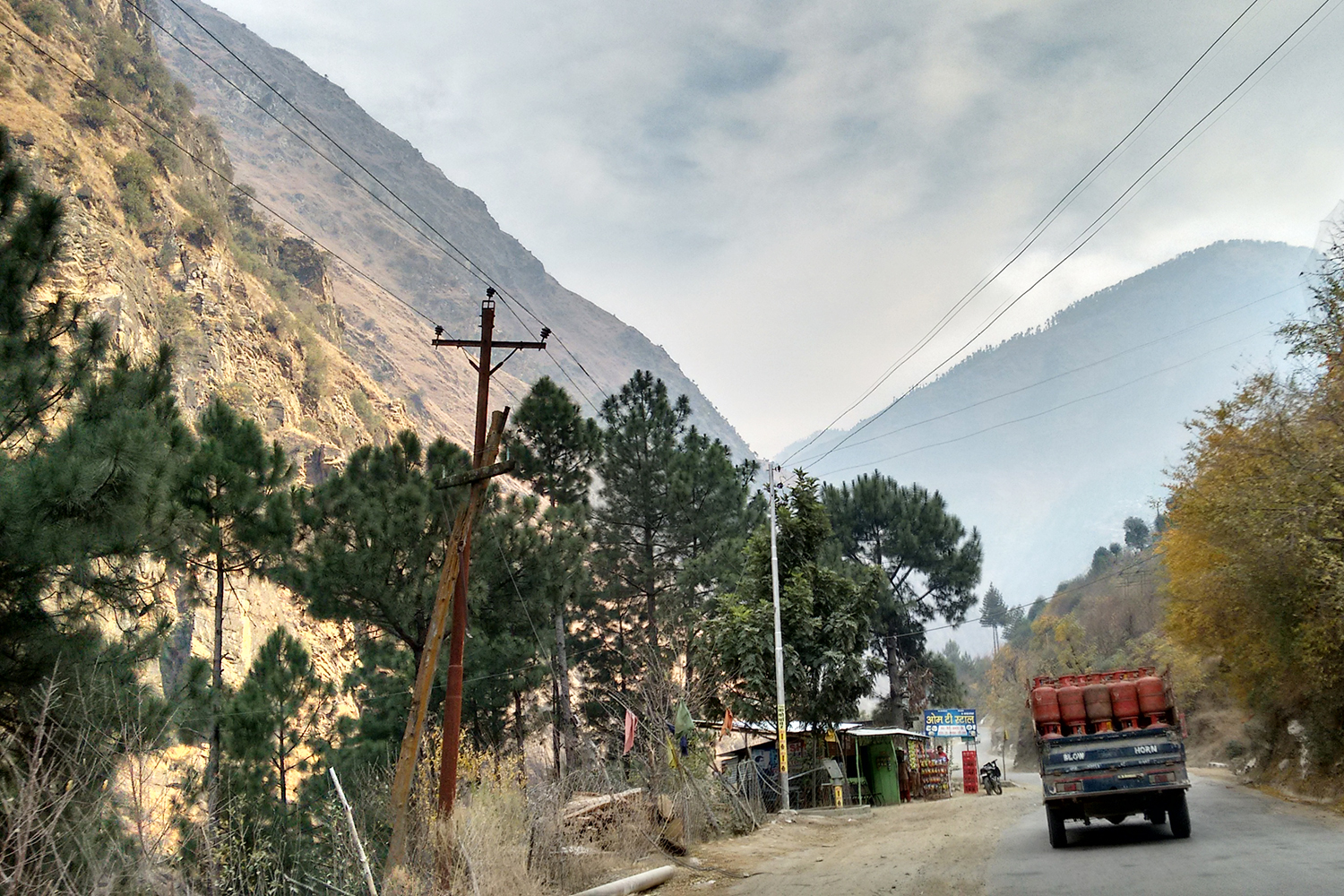
    Deepti: I study how rural families in India make everyday energy decisions which affect their health and global climate change. I analyze the long history of development interventions in rural Indian kitchens, attempting to change the technologies that people use to cook their everyday meals. My research over the past six years has shown me that even well-intentioned energy projects from the global North sometimes assume that rural communities, and particularly rural women in the global South, are ignorant or resistant to change. All my empirical evidence shows me that is not true; I find that rural families are constantly changing and adapting to their new social, cultural, economic, political, and environmental landscapes.

    My interlocutors in the rural Indian Himalayas are deftly balancing changing agrarian patterns, economic conditions, and labor demands. They are navigating dynamic gender and caste hierarchies at home and in their communities. They are also innovating energy technologies on their own. My research ethnographically analyzes why and how families make the energy decisions they do.

    Energy systems are integral to understanding the social inequalities of our times.

    Maia: This spring, you’ll be teaching a senior seminar on Energy Justice (ENST 480), on Monday and Wednesday evenings. Can you share a bit about the course, and who might want to enroll?

    Deepti: My approach to the Energy Justice seminar that I have developed for Spring 2020 is to introduce students to social science and humanistic approaches to studying energy issues. Energy systems are integral to understanding the social inequalities of our times. This class will unpack energy topics through a social justice lens, by understanding colonialism, empire, class, gender, race, and so on. The class is designed as an advanced seminar, and we will read a variety of texts from history, geography, gender studies, and science and technology studies.


    Deepti Chatti is an Assistant Professor of Environmental Studies at Humboldt State. She is an interdisciplinary scholar of the environment whose research analyzes the social equity challenges that undergird sustainable development projects to improve energy access in India. Her work contribues to political ecology, feminist science and technology studies, energy geographies, and South Asian studies. 

    Deepti received a doctorate from Yale University for her research on development efforts to expand energy access to low income families in rural India. Her dissertation focused on “clean cooking” household energy transitions which attempt to abolish the ubiquitous mud stove (mitti ka chulha) from the kitchens of rural India for a variety of health, environmental, and social reasons. Previously, she worked as an environmental engineer in California, and as an environmental public policy researcher in India at The Energy and Resources Institute (TERI). In addition to her PhD and MPhil from Yale’s School of Forestry and Environmental Studies, with a graduate certificate in Women’s, Gender, and Sexuality Studies, she has a graduate degree in environmental science and engineering from Stanford University, and an undergraduate degree in civil engineering from Osmania University.

  • October on the Coral Sea

    October on the Coral Sea

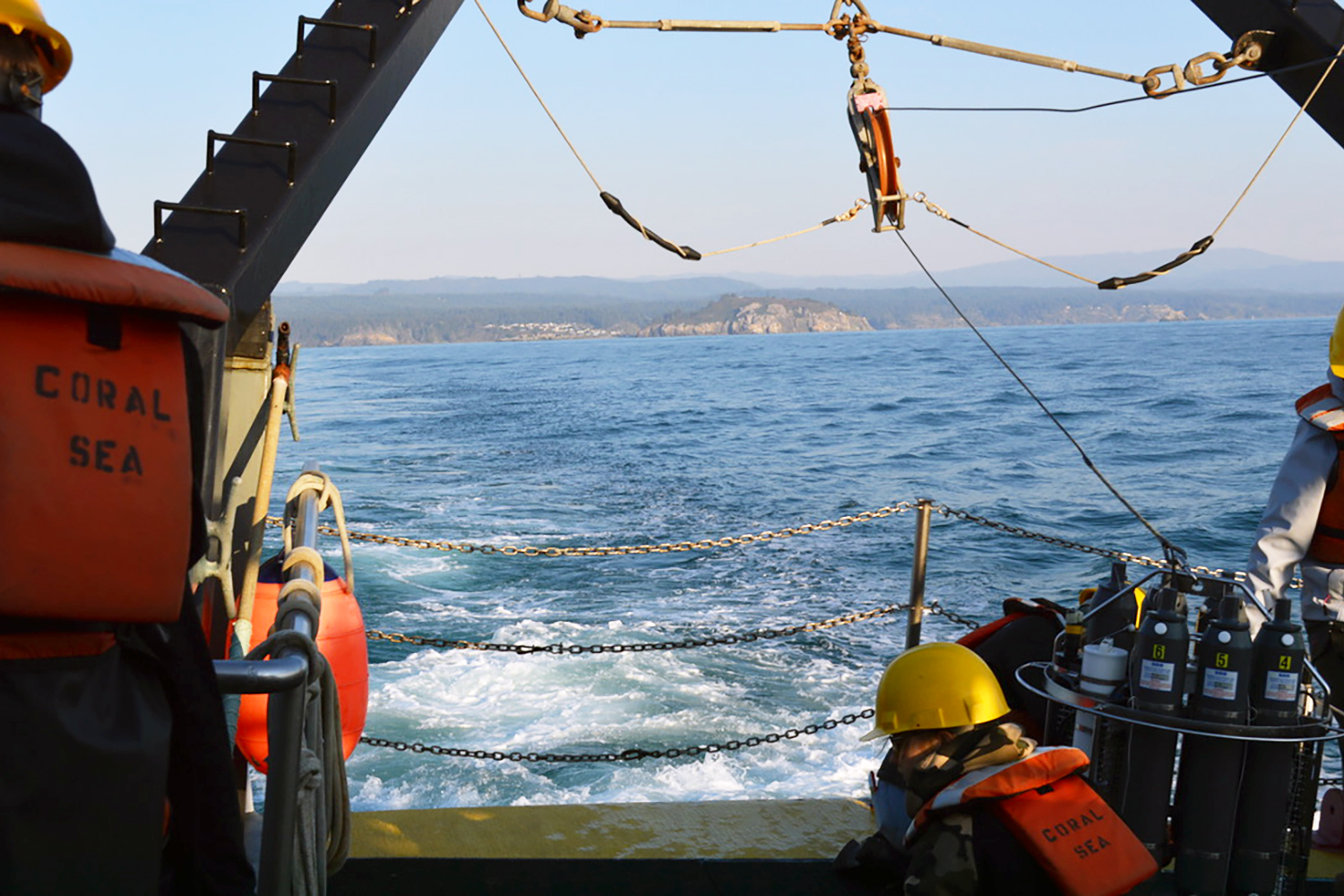
    Last month, Mark Severy joined the crew of the R.V. Coral Sea for a research cruise from Humboldt Bay out past the continental shelf. The Coral Sea is Humboldt State’s marine research and teaching vessel, and is utilized by oceanography, marine biology, and fisheries students and faculty.

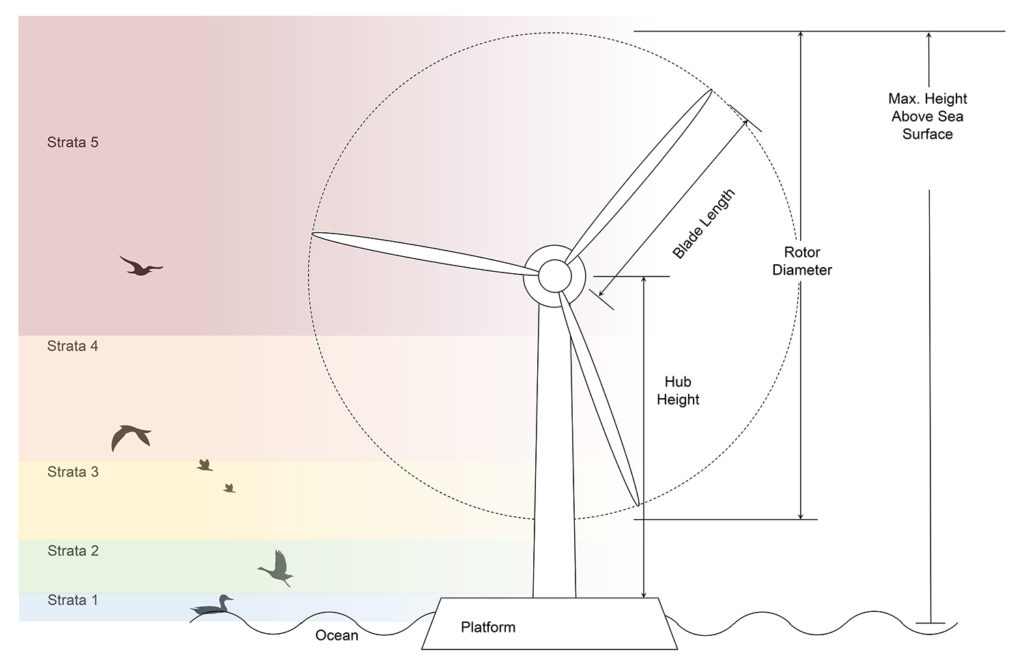
    Mark is the project manager for the Schatz Center’s current offshore wind feasibility studies. He joined the October research trip to get a sense of the space and setting where wind farms might be installed. He also helped with the cruise mission to make observations and collect water samples at five stations along the Trinidad Head Line — a twenty-five mile westbound transect. One of these outlying stations lies within the current area being considered for offshore wind leasing through the Bureau of Ocean Energy Management (BOEM).

    Learn more about our offshore wind feasibility studies:

    Red setting sun over the sea
    Offshore sites are sampled after dark to capture key taxa
  • Dec 5 at HSU: Fishing community sustainability planning

    Dec 5 at HSU: Fishing community sustainability planning

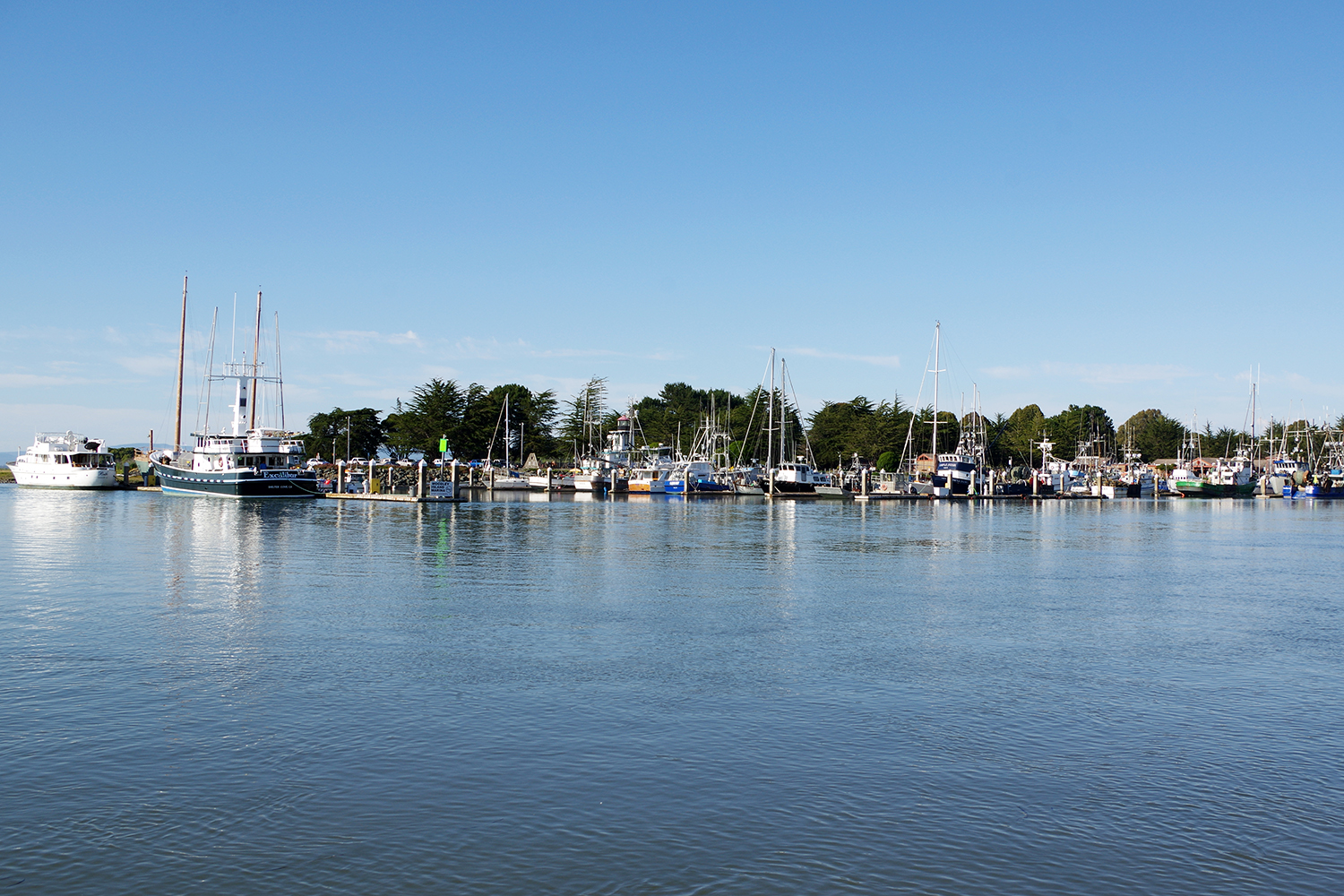
    Fishing communities are facing a variety of challenges including declines in participation, reduced access to fish resources, aging physical infrastructure, gentrification, competition from foreign imports, the “graying” or aging of their fleets, and a host of environmental stressors. These factors can represent threats to the continued viability of individual fishing communities. Such communities are clearly in need of tools that will enable them to plan strategically and to be more proactive in charting a sustainable future. This presentation will describe efforts to engage two California north coast fishing communities — Eureka and Shelter Cove — in a bottom-up planning process called Fishing Community Sustainability Planning. The presentation will describe the planning methods conducted in each port and the outcomes, highlighting how strategic planning can help communities build social and political capital and begin a process of community transformation.

    Laurie Richmond is an Associate Professor in Environmental Science & Management at Humboldt State. Her research focuses on the human dimensions of marine and coastal issues. Prior to coming to HSU she worked as a social scientist for NOAA Fisheries in Hawaii. She has been conducting research in collaboration with coastal communities for over a decade and has worked with communities in Alaska, the Western Pacific, and California. She is a newly appointed member of the State of California’s Ocean Protection Council Science Advisory Team.

    Sustainable Futures Speaker Series

    Our visiting speaker series stimulates interdisciplinary collaboration around issues related to energy, the environment, and society. All lectures are free and open to the public, and are sponsored by the Schatz Center, the Environment & Community graduate program, and the College of Arts, Humanities & Social Sciences at Humboldt State.

    Fall 2019 lectures will be held on Thursdays from 5:30 – 7:00 pm in Founders Hall 118.

    • For additional details on upcoming events or to request accessibility accommodations, email serc@humboldt.edu or call (707) 826-4345.
  • Nov 14 at HSU: Calculating the air quality and climate impacts of using forestry residues to generate electricity

    Nov 14 at HSU: Calculating the air quality and climate impacts of using forestry residues to generate electricity

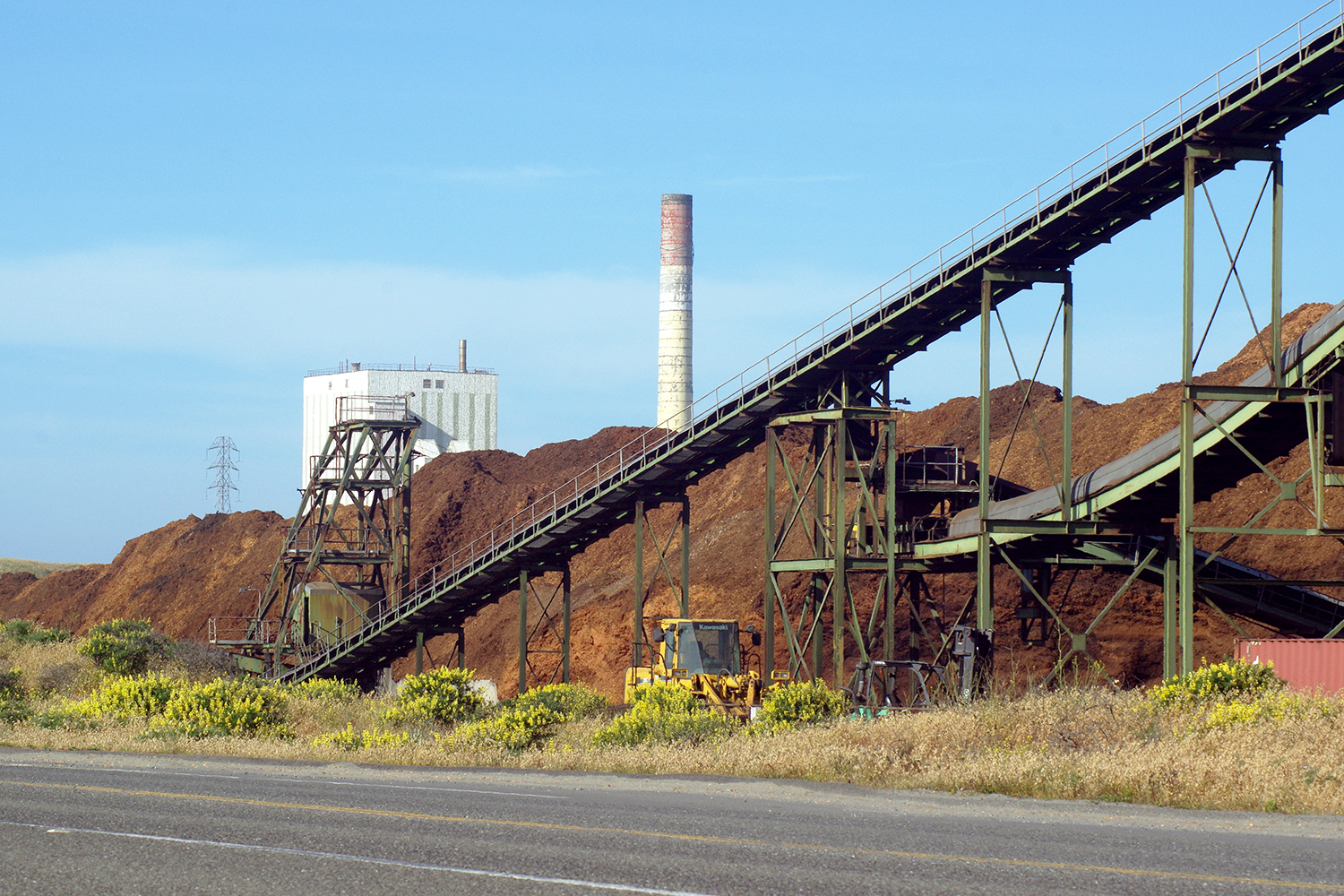
    California faces a forest management crisis, as severe drought, wildfire, and pest infestation worsen in the face of climate change. ​If managed properly, bioelectricity could help support sustainable forest management while advancing California’s renewable energy and climate goals. However, there are also legitimate concerns surrounding the climate and air quality impacts of these systems as they exist today. New research from the Schatz Center is shedding light on the net environmental impacts of using forest residues for bioenergy — and is supporting policymakers in deciding whether, and under which circumstances, these systems should be promoted.

    Dr. Kevin Fingerman is an Associate Professor of Environmental Science & Management at Humboldt State University. His research employs life cycle assessment, geospatial analysis, and simulation modeling tools to evaluate the broad-based impacts of bioenergy and transportation energy systems. He has also worked extensively on the water/energy nexus and on bioenergy policy. Prior to joining HSU Kevin worked in Rome for the United Nations Food and Agriculture Organization. He holds MS and PhD degrees from UC Berkeley’s Energy & Resources Group.

    Jerome Carman is a graduate of the Environmental Systems master’s program at Humboldt State University (HSU), where he focused on energy systems engineering with an emphasis on thermodynamic analysis. Jerome has a diverse background: complimented by a bachelor’s degree in physics, he has published work in both high energy particle physics and atmospheric physics. Over the past seven years his professional career has focused on state and local government planning and policy, specializing in climate action planning, greenhouse gas life cycle assessment, and low carbon transportation.

    Sustainable Futures Speaker Series

    Our visiting speaker series stimulates interdisciplinary collaboration around issues related to energy, the environment, and society. All lectures are free and open to the public, and are sponsored by the Schatz Center, the Environment & Community graduate program, and the College of Arts, Humanities & Social Sciences at Humboldt State.

    Fall 2019 lectures will be held on Thursdays from 5:30 – 7:00 pm in Founders Hall 118.

    • For additional details on upcoming events or to request accessibility accommodations, email serc@humboldt.edu or call (707) 826-4345.
  • Webinar (11/14): lighting needs in  humanitarian settings

    Webinar (11/14): lighting needs in humanitarian settings

    On Thursday, November 14, staff from Lighting Global will participate in a webinar on Sustainable Energy for Powering Household and Community Lighting Needs in Humanitarian Settings. This is the third of a four-part series on sustainable energy in humanitarian settings jointly organized by the International Committee of the Red Cross, energypedia UG, and the United Nations Institute for Training and Research.

    Representatives from Lighting Global and Oxfam will discuss which quality solar products are on the market for household use, and how humanitarian actors can assess which lighting solutions for households and communities are needed. In two case studies, Practical Action and Mercy Corps will share their experiences from a community needs assessment in Rwanda, and from delivering quality solar products in Afghanistan.

    The webinar will be held on Thursday, November 14 from 3-4:30 pm CET / 6-7:30 am PST (check your local time), and is free and open to the public.

  • November 6 at HSU: a panel discussion on the proposed Terra-Gen wind energy project (NEW DATE)

    November 6 at HSU: a panel discussion on the proposed Terra-Gen wind energy project (NEW DATE)

    The proposed wind farm at the Monument and Bear River ridges could generate about 400 GWh annually, which is equivalent to nearly half of Humboldt County’s electricity use. Anticipated project features include a significant contribution to north coast renewable energy generation and to California’s clean energy mandate; creation of local green jobs and technical expertise; and Humboldt Bay development. Concerns raised include impacts on bat and bird deaths; tree removal; effects on sites with cultural and ecological significance to Native American Tribes; erosion and sedimentation from sub-river drilling and road expansion; visual impacts; light and noise pollution; and traffic congestion.

    This session provides an opportunity to discuss possibilities for wind energy development in Humboldt County, through a panel representing a diverse set of perspectives.

    Panelists include:

    Schatz Center Director Arne Jacobson will moderate the evening’s talk.

    Please note that this is a Wednesday. The event begins at 5:30 pm, and will be held in Founders Hall 118.

    Sustainable Futures Speaker Series

    Our visiting speaker series stimulates interdisciplinary collaboration around issues related to energy, the environment, and society. All lectures are free and open to the public, and are sponsored by the Schatz Center, the Environment & Community graduate program, and the College of Arts, Humanities & Social Sciences at Humboldt State.

    Fall 2019 lectures will be held on Thursdays from 5:30 – 7:00 pm in Founders Hall 118.

    • For additional details on upcoming events or to request accessibility accommodations, email serc@humboldt.edu or call (707) 826-4345.