
Author: Schatz Center

  • SFSS webinar 3/25 — The Ecological Superblock / Neo Nature: the city in the Anthropocene

    SFSS webinar 3/25 — The Ecological Superblock / Neo Nature: the city in the Anthropocene

    Please note that the time has changed to 7:30 pm (Pacific) on March 25
    Register for this talk


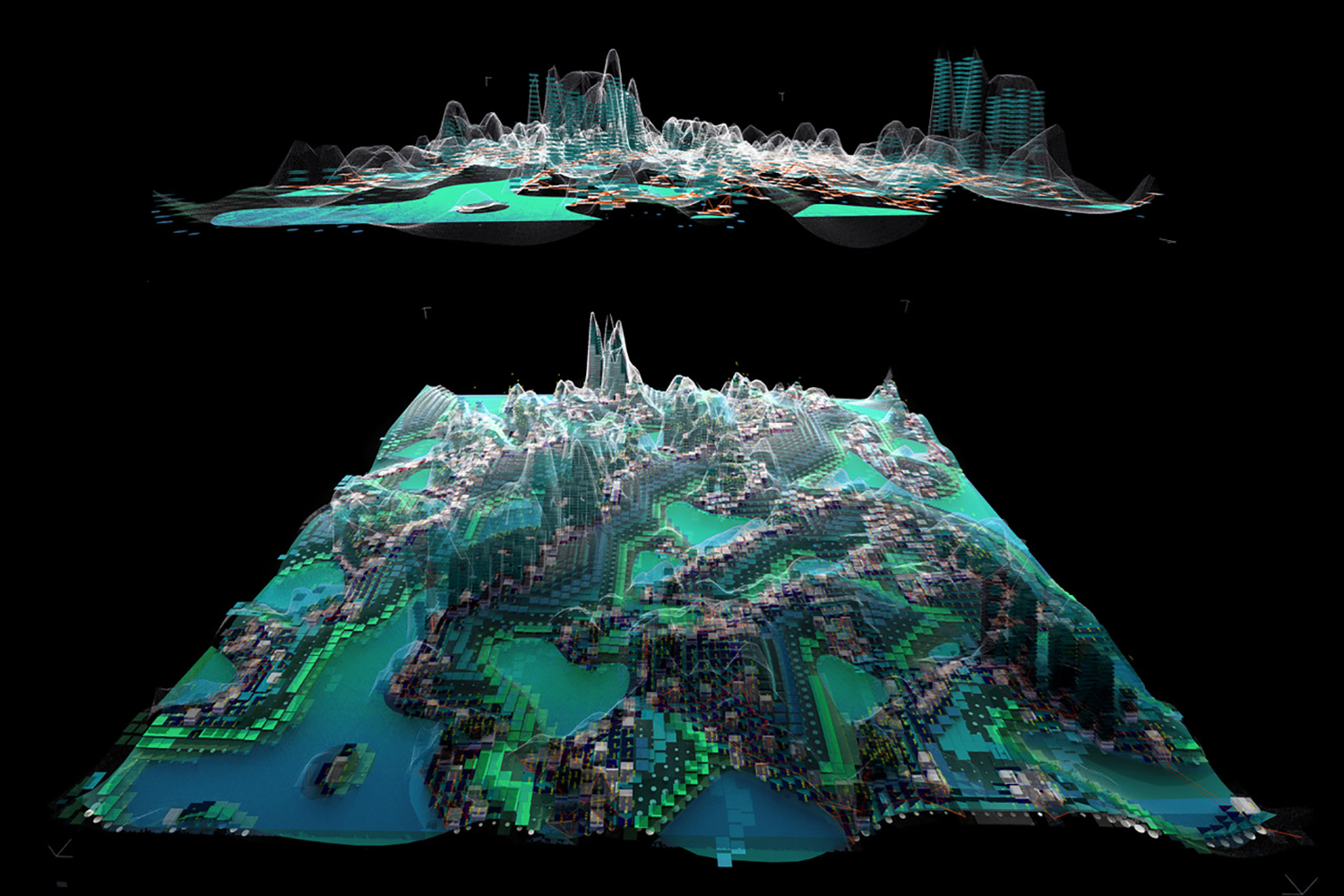
    The rapid undergoing and coming climatic and ecological change, coupled with rapid acceleration in population growth, raise doubts and concerns regarding the ability of the existing urban systems to adapt to future changes. These changes represent a unique opportunity to use ecologically based architecture and urban design, blending urban systems into natural systems within an integrated ecosystem named the Ecological Superblock. Ecological Superblock provides a breakthrough solution capable of adapting and evolving to change. Its design employs ecological intelligence principles that shift design thinking from the traditional processes of perfecting the single unique design to ecological processes and systems dynamics.

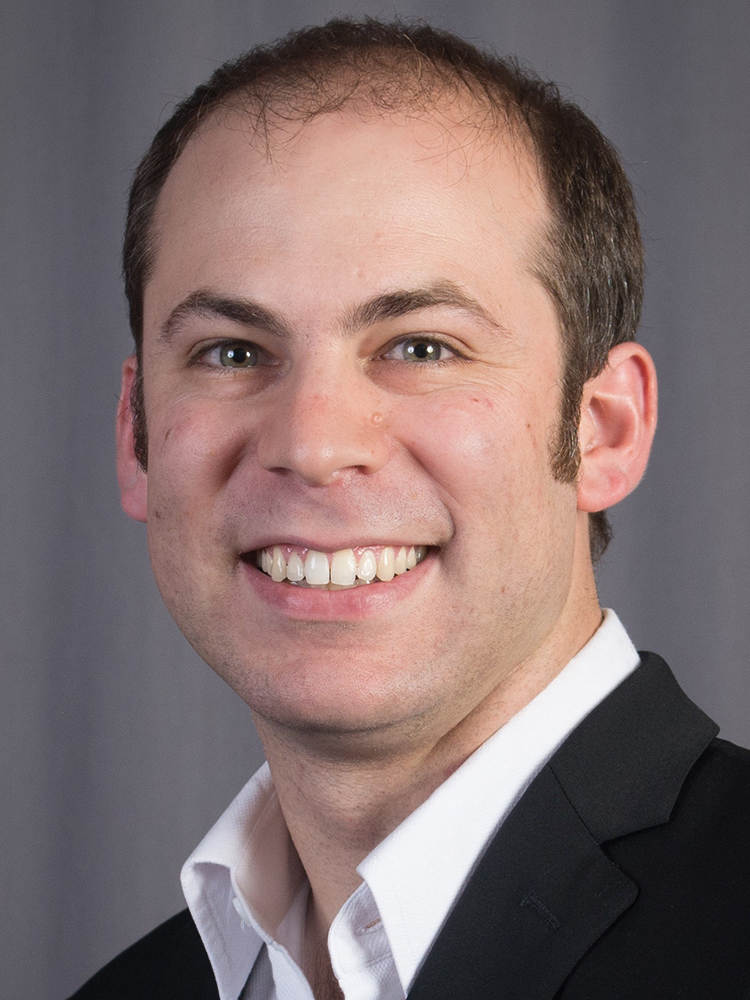
    Aiman Tabony is a researcher and an architect with a PhD in architecture, computation, and ecology from the Architectural Association in London. With Enriqueta Llabres he cofounded LlabresTabony Architects in 2017, a London-based multidisciplinary design studio specializing in the fields of architecture, urbanism, geography, ecology, and landscape architecture. The ethos of their practice relies in its critical approach to ecology and its relationship with the built environment.

    How to attend

    Register for this talk (March 25, 7:30 pm Pacific)

    We’re holding the spring series online via Zoom. All events are free and open to the public.

    Accessibility

    Zoom captioning is provided for all live talks, and human-generated captions are provided for all video recordings when published online. To request additional support, please contact info@schatzcenter.org or call 707-826-4345 at least one week before an event.

    About the series

    The Sustainable Futures speaker series stimulates interdisciplinary collaboration around issues related to energy, the environment, and society. These lectures are sponsored by the Schatz Center, the Environment & Community graduate program, and the College of Arts, Humanities & Social Sciences at Humboldt State.

    Questions? Email info@schatzcenter.org or call 707-826-4345.
  • SFSS webinar 3/18 — Cántaro Azul: An organization’s journey to contribute to the human right to water and sanitation in rural Mexico

    SFSS webinar 3/18 — Cántaro Azul: An organization’s journey to contribute to the human right to water and sanitation in rural Mexico

    Register for this talk (March 18, 5:30 pm Pacific)


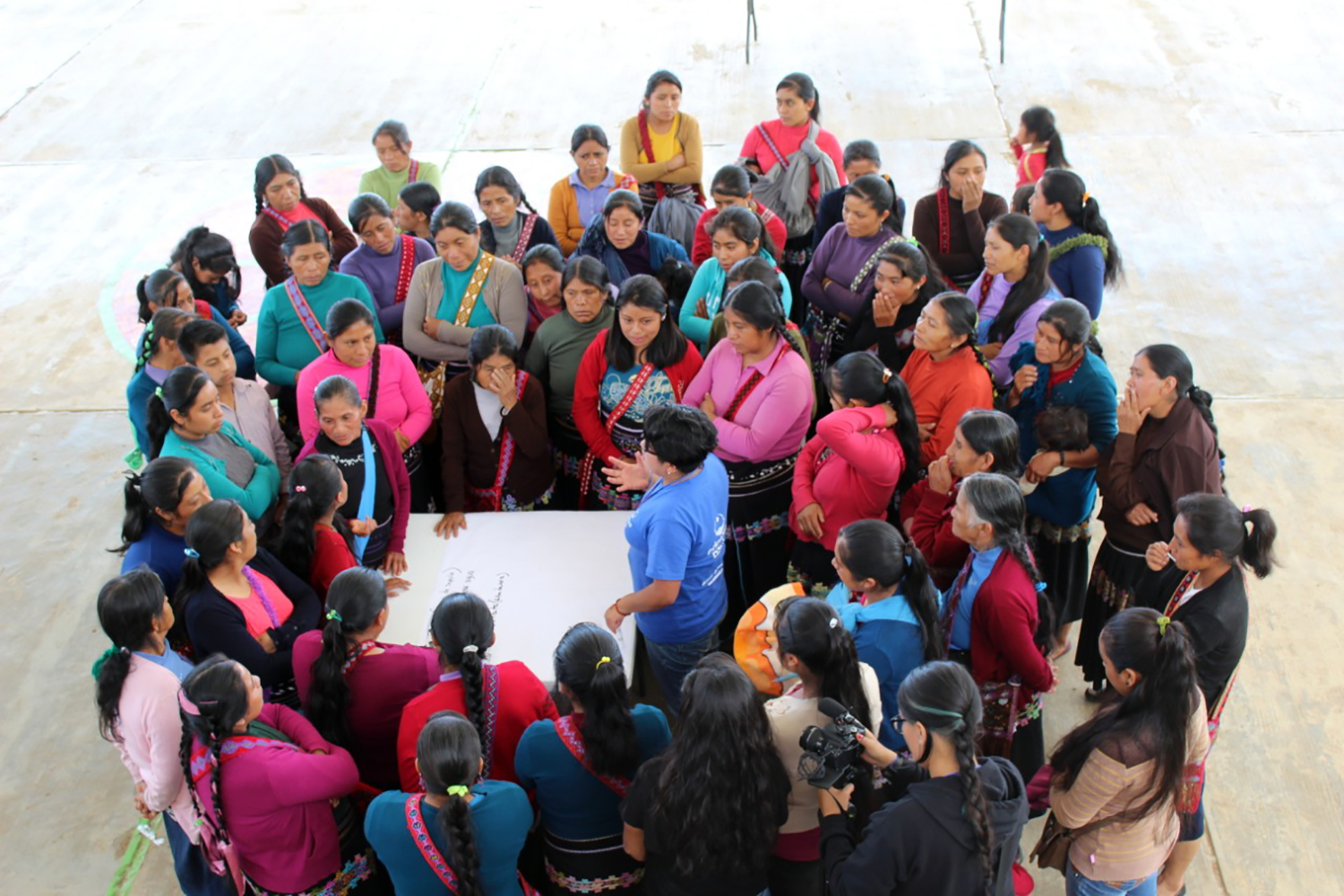
    Back in 2005, a group of students at the University of California, Berkeley, designed the first ultraviolet water disinfection system for rural households. Part of the team started a nonprofit organization — Cántaro Azul — with the objective of empowering people with appropriate safe water technologies. As Cántaro Azul evaluated the impact of water programs, it developed evidence that health and social benefits produced by the dissemination of such technologies varied across households and communities, highly modulated by existent inequalities. In 2014, Cántaro Azul shifted its work from a technology to a service paradigm that now focuses on strengthening community-based water management organizations (CBWMO). Working in a country with more than 100,000 rural communities without access to safe water, Cántaro Azul realized that directly scaling its services would only reach a fraction of the population and in 2017 began efforts to advocate for local and national public policies that seek to strengthen CBWMOs.

    In this talk, Fermín Reygadas will share some of the achievements of Cántaro Azul, including the creation of the first public water institution in México that is governed by CBWMOs, as well as the many challenges that the organization has encountered and that lay ahead in the road towards achieving the human right to water and sanitation in rural Mexico.

    Headshot for Fermín Reygadas

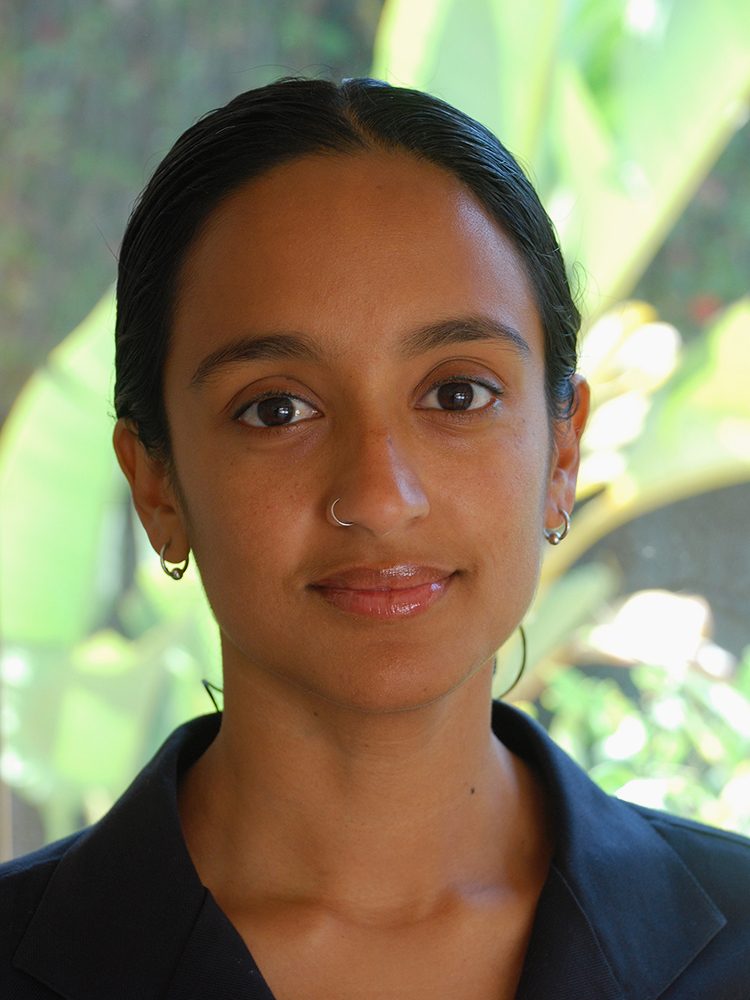
    Fermín Reygadas is Co-Founder and CEO of Cántaro Azul, the largest water, hygiene, and sanitation organization in Mexico. Since 2006, he has led the design, implementation, and evaluation of technologies, service-delivery models, financing mechanisms, advocacy strategies, and public policies that contribute to expand the human right to water and sanitation. He is an Ashoka Fellow and his work has been recognized by the US Environmental Protection Agency, the Big Ideas Competition at Berkeley, the 6th and 8th World Water Forums, and the UBS-Visionaris Social Entrepreneurship Award. He holds a PhD from the Energy and Resources Group at the University of California, Berkeley.

    How to attend

    Register for this talk (March 18, 5:30 pm Pacific)

    We’re holding the spring series online via Zoom. All events are free and open to the public.

    Accessibility

    Zoom captioning is provided for all live talks, and human-generated captions are provided for all video recordings when published online. To request additional support, please contact info@schatzcenter.org or call 707-826-4345 at least one week before an event.

    About the series

    The Sustainable Futures speaker series stimulates interdisciplinary collaboration around issues related to energy, the environment, and society. These lectures are sponsored by the Schatz Center, the Environment & Community graduate program, and the College of Arts, Humanities & Social Sciences at Humboldt State.

    Questions? Email info@schatzcenter.org or call 707-826-4345.

  • SFSS webinar 3/11 — Environmental justice in Indian Country and moving toward a transformational land ethic

    SFSS webinar 3/11 — Environmental justice in Indian Country and moving toward a transformational land ethic

    Register for this talk (March 11, 5:30 pm Pacific)


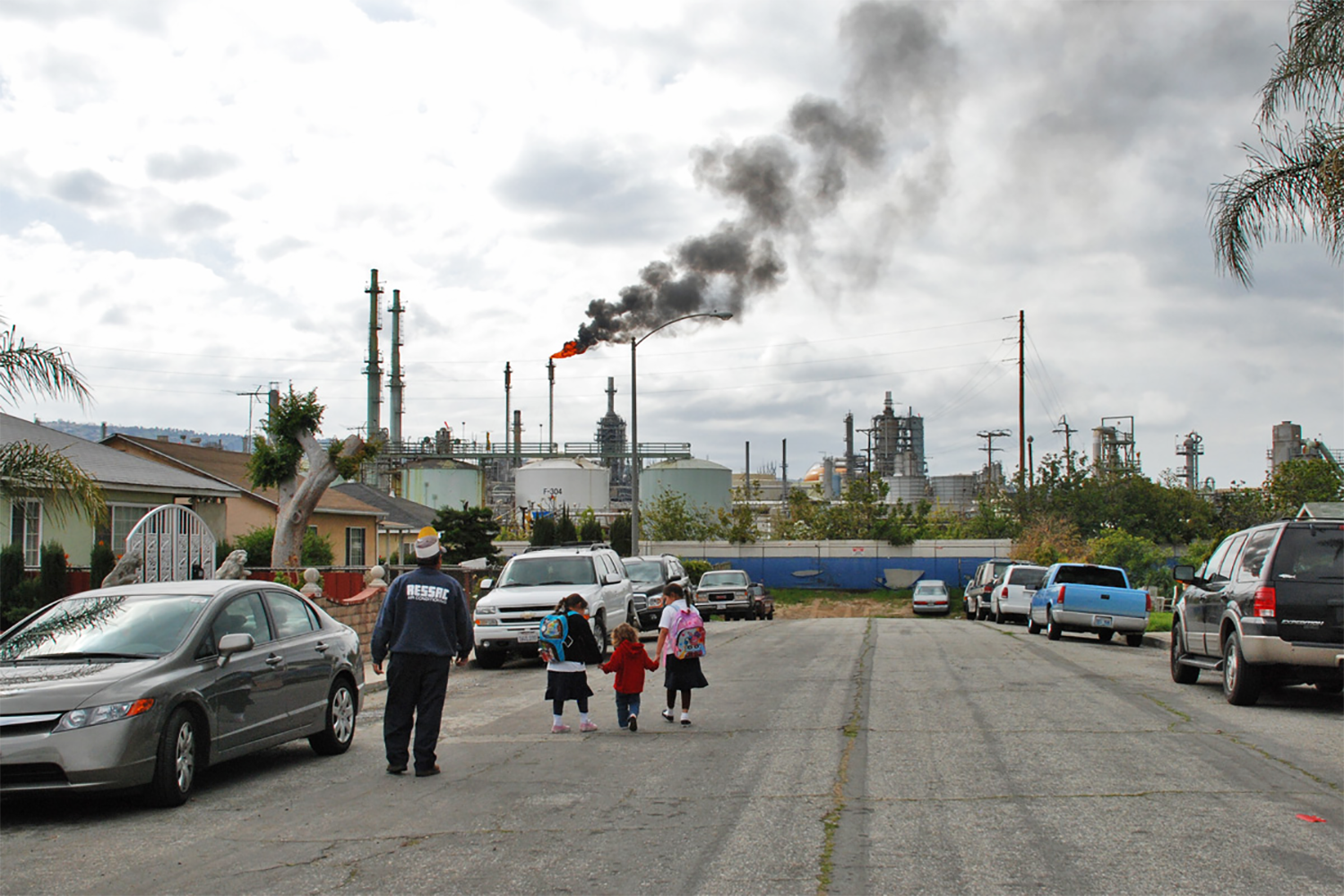
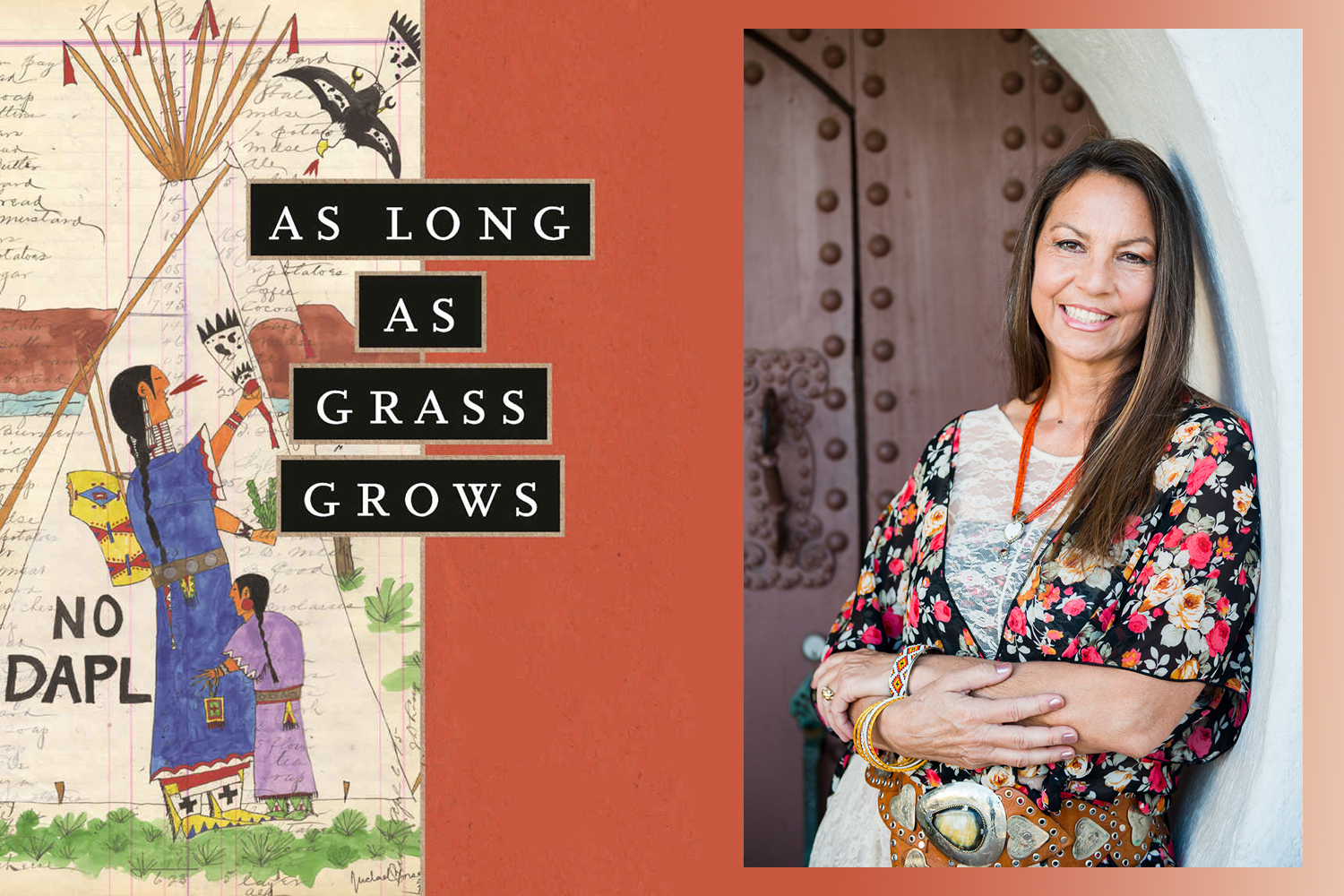
    In her acclaimed book As Long As Grass Grows: The Indigenous Fight for Environmental Justice from Colonization to Standing Rock, author Dina Gilio-Whitaker interrogates the centuries long history of injustices against American Indians, understanding genocide and land theft as processes of environmental injustice. She contends that this history along with Native people’s unique political relationship to the state changes the meaning of environmental justice compared to other populations. Through the lens of what she calls an “Indigenized” EJ and the story of the Standing Rock DAPL struggle, Gilio-Whitaker looks at ways Native activism and resilience still animate Native life today. Her talk will also lean into current work on a forthcoming book that examines accountability and what an ethical relationship to land looks like in the U.S. settler state.

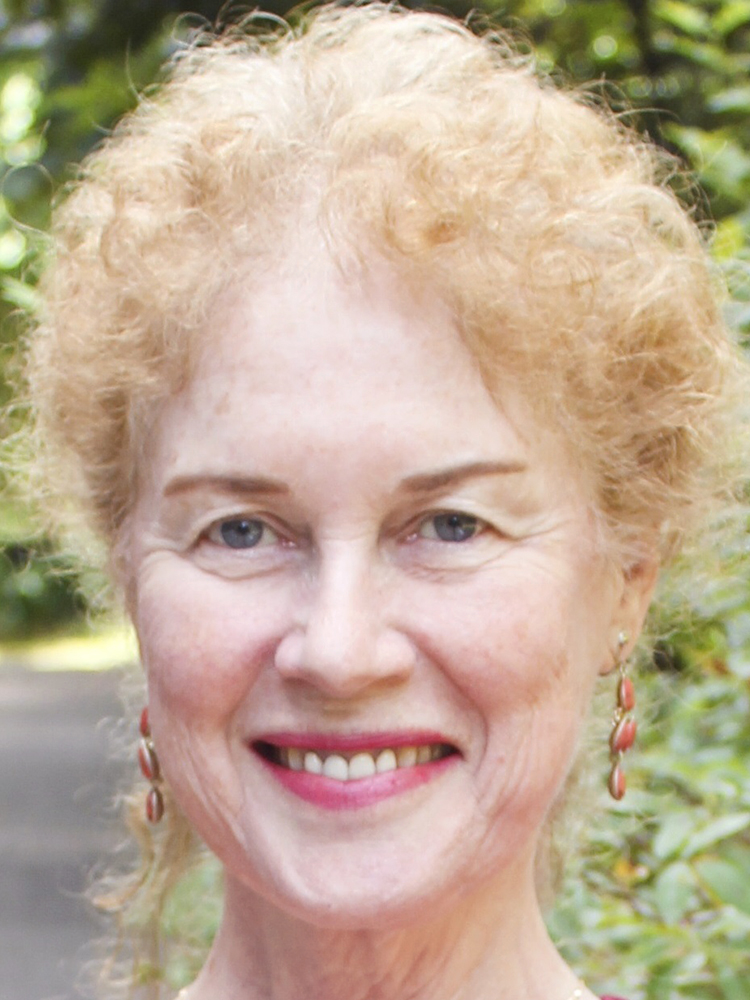
    Dina Gilio-Whitaker (Colville Confederated Tribes) is a lecturer of American Indian Studies at California State University San Marcos, and an independent educator in American Indian environmental justice policy planning.  At CSUSM she teaches courses on environmentalism and American Indians, traditional ecological knowledge, religion and philosophy, Native women’s activism, American Indians and sports, and decolonization. She also works within the field of critical sports studies, examining the intersections of indigeneity and the sport of surfing. As a public intellectual, Dina brings her scholarship into focus as an award-winning journalist as well, contributing to numerous online outlets including Indian Country Today, the Los Angeles TimesHigh Country News. Dina is the author of two books; the most recent award-winning As Long As Grass Grows: The Indigenous Fight for Environmental Justice from Colonization to Standing Rock. She is currently under contract with Beacon Press for a new book under the working title Illegitimate Nation: Privilege, Race, and Accountability in the U.S. Settler State.

    We are grateful to the Office of Sustainability and the Native American Studies department at Humboldt State for cosponsoring this talk.

    How to attend

    Register for this talk (March 11, 5:30 pm Pacific)

    We’re holding the spring series online via Zoom. All events are free and open to the public.

    Accessibility

    Zoom captioning is provided for all live talks, and human-generated captions are provided for all video recordings when published online. To request additional support, please contact info@schatzcenter.org or call 707-826-4345 at least one week before an event.

    About the series

    The Sustainable Futures speaker series stimulates interdisciplinary collaboration around issues related to energy, the environment, and society. These lectures are sponsored by the Schatz Center, the Environment & Community graduate program, and the College of Arts, Humanities & Social Sciences at Humboldt State.

    Questions? Email info@schatzcenter.org or call 707-826-4345.

  • Sustainable Futures speaker series opens March 11

    Sustainable Futures speaker series opens March 11

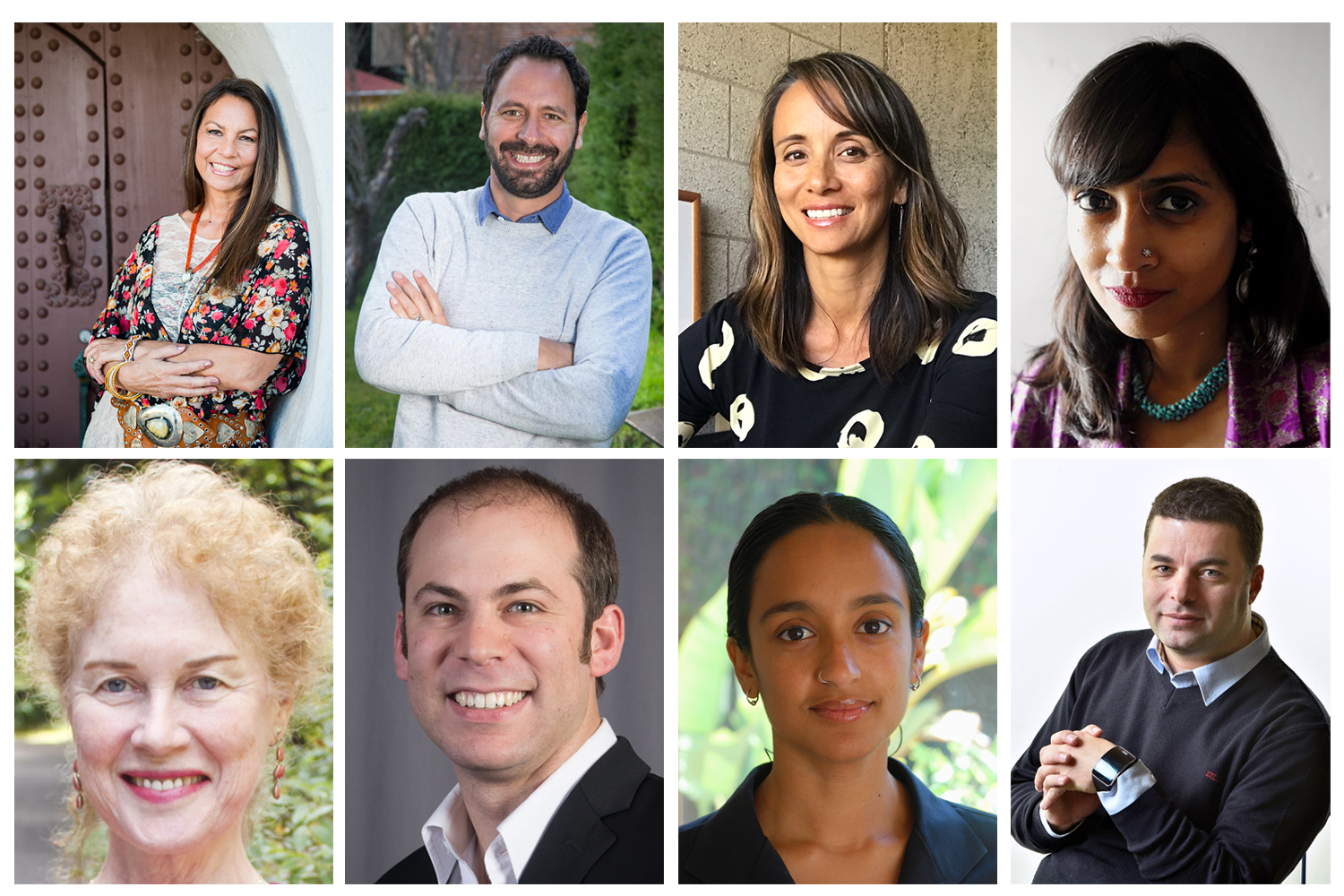
    Join us this spring as eight visiting speakers tackle a breadth of questions related to energy, society, and the environment!

    Download the season flyer

    How to attend

    We’re holding this year’s series online via webinar. Each lecture will be streamed via Zoom, and will be followed by a Q&A discussion period. All events are free and open to the public.

    Visit our Sustainable Futures page for descriptions of each talk, or simply click on the talk titles above to register for an event.

    Accessibility

    Zoom captioning is provided for all live talks, and human-generated captions are provided for all video recordings when published online. To request additional support, please contact info@schatzcenter.org or call 707-826-4345 at least one week before an event.

    About the series

    The Sustainable Futures speaker series stimulates interdisciplinary collaboration around issues related to energy, the environment, and society. These lectures are sponsored by the Schatz Center, the Environment & Community graduate program, and the College of Arts, Humanities & Social Sciences at Humboldt State.

    Questions? Email info@schatzcenter.org.

  • Congratulations to a clean energy champion

    Congratulations to a clean energy champion

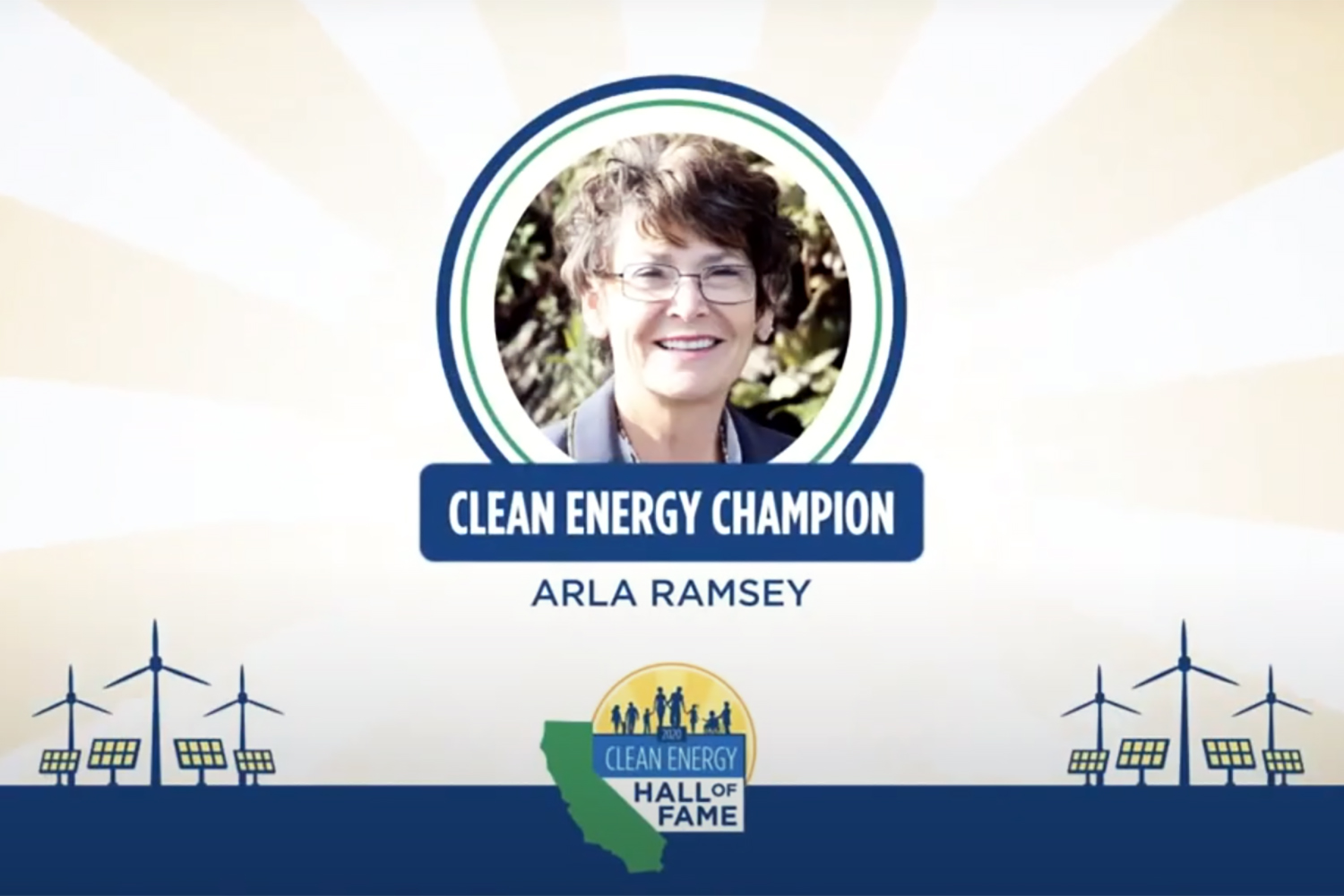
    Congratulations to Arla Ramsey, Vice Chair of the Blue Lake Rancheria Tribe, for receiving an inaugural Clean Energy Champion award from the California Energy Commission! This new award recognizes leaders from across California whose outstanding achievements are helping to advance the state’s bold clean energy goals.

    We wanted to share a few thoughts on what Arla’s visionary leadership has meant to our team:

    A woman standing in full sun speaks into a podium microphone, with logo banners for the Schatz Energy Research Center and the Blue Lake Rancheria hanging on the wall behind her.
    Solar Plus microgrid kickoff celebration

    Arla Ramsey’s leadership at the Blue Lake Rancheria has been critical for advancing clean energy on California’s north coast. The innovative microgrid projects she has championed not only serve our community in times of need but now are a model for statewide action towards resilient clean energy. — Peter Alstone, project lead on the Rancheria’s “Solar Plus” microgrid

    It’s great to see recognition for such a strong indigenous leader, who routinely faces great risks in the interest of advancing innovative solutions for grid decarbonization and resiliency. While implementing the Blue Lake Rancheria Microgrid, Arla’s steadfast leadership and encouragement bolstered our team’s confidence and inspired us to keep striving even in the face of our most challenging setbacks. — Dave Carter, project manager on the Rancheria’s main campus microgrid

    Arla Ramsey is a powerhouse. She has done so much for the Blue Lake Rancheria Tribe and surrounding communities. When she puts her mind to something, there is no stopping her. We have worked with Arla and her team at the Blue Lake Rancheria on a number of sustainable energy projects. They are so forward-looking in their efforts and their investments. They look to deploy energy technologies that make economic sense, provide local resilience and security, and help to move our region toward a carbon free future in order to mitigate climate change. They are an amazing team and have been a tremendous partner, and Arla is right out in front leading the charge! — James Zoellick, project manager on the Rancheria’s “Solar Plus” microgrid

    As one of the leaders of the Blue Lake Rancheria Tribe, Arla Ramsey has been a strong force for the Tribe’s efforts to make the Rancheria a shining example of a sustainable community. Arla has been a trusted partner, always willing to contribute that extra effort, as we have worked with the Tribe to achieve their renewable energy goals. We congratulate her on being named a Clean Energy Champion, a well deserved honor. — Peter Lehman, project lead on the Rancheria’s main campus microgrid

    We’re grateful to work in partnership with the Blue Lake Rancheria on clean energy microgrid development and so much more — and we are inspired by Arla Ramsey’s decades of leadership that has done so much to advance our national understanding of sustainable community development!

  • SFSS webinar 11/12 – Holy waters: colonial control of land, space, and resources in Palestine

    SFSS webinar 11/12 – Holy waters: colonial control of land, space, and resources in Palestine

    REGISTER for this webinar (5:30 pm Pacific)

    A smiling woman with long hair and glasses is wearing a green shirt and standing outside a building.

    Leena Dallasheh is an associate professor of history at Humboldt State University. She received her PhD in the joint History and Middle Eastern and Islamic Studies program at NYU. Her areas of specialization are the social and political history of the modern Middle East and modern Palestinian and Israeli history. Her research focuses on the social and political history of Nazareth from 1940 to 1966, tracing how Palestinians who remained in Israel in 1948 negotiated their incorporation in the state, affirming their rights as citizens and their identity as Palestinian.

    Dallasheh’s article Troubled Waters: Governing Water and Struggling for Citizenship in Nazareth appeared in IJMES 47 (2015). She also published articles and reviews in JPS, edited collections, and other public forums. Before her doctorate work at NYU, she received a law degree from the Hebrew University in Jerusalem.

    How to attend

    We’re holding this year’s Sustainable Futures speaker series online via webinar. Each lecture will be streamed via Zoom, and will be followed by a Q&A discussion period. All events are free and open to the public.

    About the series

    The Sustainable Futures Speaker Series stimulates interdisciplinary collaboration around issues related to energy, the environment, and society. All lectures are free and open to the public, and are sponsored by the Schatz Energy Research Center, the Environment & Community graduate program, and the College of Arts, Humanities & Social Sciences at Humboldt State University.

    Questions? Email info@schatzcenter.org.

  • SFSS webinar 10/29 — Energy transitions in a time of intersecting precarities

    SFSS webinar 10/29 — Energy transitions in a time of intersecting precarities

    Energy transitions in a time of intersecting precarities: from reductive environmentalism to antiracist praxis

    REGISTER for this talk

    This talk will offer a pragmatic praxis for aligning community solar campaigns with antiracist principles — linkages that can help communities of color rebuild after Covid-19. This praxis shifts the focus of such campaigns from the “means of reduction” to the means of production. Here, the means of reduction refers to the practices that render commodities as capable of reducing greenhouse gas emissions and electricity bills. In shifting the focus of community solar campaigns from reduction to production, the proposed praxis can ensure that community solar efforts address the white supremacist hierarchies that inhere in solar supply chains. The praxis’ “theoretical” component repurposes the concept of “co-pollutants” to illuminate environmental injustices in the production of solar commodities. Its “practice” component addresses solar’s co-pollutants by transitioning community solar campaigns away from consumer power and toward people power.

    Myles Lennon is an environmental anthropologist, Dean’s Assistant Professor of Environment & Society and Anthropology at Brown University, and a former sustainable energy policy practitioner. His research explores how rooftop solar, resiliency microgrids, and other climate mitigation infrastructures simultaneously reinforce and upend entrenched structures of power as they materialize across long-standing race and class divisions in New York City. He holds a BA in Development Studies from Brown University and a PhD in environmental anthropology from Yale University.

    How to attend

    We’re holding this year’s Sustainable Futures Speaker Series online via webinar. Each lecture will be streamed via Zoom, and will be followed by a Q&A discussion period. All events are free and open to the public.

    About the series

    The Sustainable Futures Speaker Series stimulates interdisciplinary collaboration around issues related to energy, the environment, and society. All lectures are free and open to the public, and are sponsored by the Schatz Energy Research Center, the Environment & Community graduate program, and the College of Arts, Humanities & Social Sciences at Humboldt State University.

    Questions? Email info@schatzcenter.org.

  • 10/19 webinar: Reflections and Next Steps — offshore wind feasibility studies

    10/19 webinar: Reflections and Next Steps — offshore wind feasibility studies

    Join us this afternoon from 2-4:30 pm (Pacific) for the closing webinar in our offshore wind feasibility series, to learn about next steps in both research and planning processes.

    Register now

    We welcome participation in these events from a broad audience. Each session is free and open to the public.

    Recordings, slide decks, and other materials from this series can be downloaded on our wind studies page.

    Today’s speakers

    We will open today with remarks from U.S. Congressman Jared Huffman. Next up, Arne Jacobson will share his reflections on the Schatz Center’s research findings to date and on questions raised during this webinar series. He will also outline our current and upcoming offshore wind studies, and share the timeline of our forthcoming reports and analyses.

    Then, we will hear from federal and state agency representatives, to learn of their next steps for exploring offshore wind energy development on the north coast. They will also discuss how community members and other interested parties can continue to stay informed and participate in these processes. Panelists include:

    • Chris Potter, Program Manager, Ocean Protection Council
    • Necy Sumait, Chief, Renewable Energy, Pacific Region, Bureau of Ocean Energy Management
    • Eli Harland, Advisor to Commissioner Karen Douglas, California Energy Commission
    • and other state and federal agency experts in offshore wind planning

    We will then close with a discussion period in which participants are invited to ask questions, share insights, and offer comments on the webinar series.

    Funding

    Production of this five-part offshore wind webinar series is supported by the Ocean Protection Council of the California Natural Resources Agency. The research studies were funded by the California Ocean Protection Council, the Governor’s Office of Planning and Research, and the Bureau of Ocean Energy Management. 

    More information

  • SFSS webinar 10/22 — Redwood Coast telecom resilience

    SFSS webinar 10/22 — Redwood Coast telecom resilience

    Redwood Coast telecom resilience: how broadband, internet, cellular, and emergency communications are changing, and becoming more resilient and climate-smart

    ** Please note that this talk will be held at 4 pm Pacific. **

    REGISTER for this talk

    Internet access and cellular communication are increasingly essential for a productive, healthy life. Telemedicine, ecommerce, distance learning, community economies, and social services are all enabled by broadband, cellular networks, satellites, and other kinds of digital connective infrastructure. Digital communications are also increasingly essential to operating lifeline sectors – energy, transportation, water, and food – with maximum efficiency, and to ensure continual operations during both emergencies and business as usual.

    A smiling woman sits in front of a painting

    In rural environments, the economics of telecom are more difficult, and rural areas of the United States, including rural tribal communities, still lie across a “digital divide” where the quality of internet access, cellular communications, and emergency communications are insufficient, and lag relative to their urban counterparts. Gaps in telecom resources have been highlighted by the covid-19 pandemic, as well recent power shutoff events and outages.

    This discussion between two resiliency innovators from California’s rural north coast will focus on solutions that are already in play — or on the near horizon — to bridge the digital divide and provide robust telecom service in rural areas.

    Karen Eckersley (above right) is a communications engineer by training and has a technology construction, integration and consulting background. She is a Communications Division Program Outreach Coordinator for the California Public Utilities Commission, and lives in Humboldt County, where she is working to help local Tribes improve their communications resiliency.

    A smiling woman in an off-white coat and scarves stands before a rock face at the ocean.

    Jana Ganion (right) is the Sustainability and Government Affairs Director for the Blue Lake Rancheria Tribe, where she creates strategies for zero-carbon resilience. Her development experience includes low-carbon microgrids, electrified transportation infrastructure, and strategic planning and deployment in sustainability, climate mitigation and adaptation, emergency preparedness, and economic development.

    How to attend

    We’re holding this year’s Sustainable Futures Speaker Series online via webinar. Each lecture will be streamed via Zoom, and will be followed by a Q&A discussion period. All events are free and open to the public.

    About the series

    The Sustainable Futures Speaker Series stimulates interdisciplinary collaboration around issues related to energy, the environment, and society. All lectures are free and open to the public, and are sponsored by the Schatz Energy Research Center, the Environment & Community graduate program, and the College of Arts, Humanities & Social Sciences at Humboldt State University.

    Questions? Email info@schatzcenter.org.

  • SFSS webinar 10/8 — When Latinx studies and environmental studies meet

    SFSS webinar 10/8 — When Latinx studies and environmental studies meet

    REGISTER for this talk

    This event will feature a panel discussion with the editors of Latinx Environmentalisms: Place, Justice, and the Decolonial — Sarah D. Wald, David J. Vázquez, Priscilla Solis Ybarra, and Sarah Jaquette Ray.

    The whiteness of mainstream environmentalism often fails to account for the richness and variety of Latinx environmental thought. Building on insights of environmental justice scholarship as well as critical race and ethnic studies, Latinx Environmentalisms maps the ways Latinx cultural texts integrate environmental concerns with questions of social and political justice.

    In this roundtable discussion, the editors of Latinx Environmentalisms come together to celebrate the publication of the volume and to talk about the connections – as well as the remaining tensions – between Latinx Studies and the environmental humanities.

    How to attend

    We’re holding this year’s Sustainable Futures Speaker Series online via webinar. Each lecture will be streamed via Zoom, and will be followed by a Q&A discussion period. All events are free and open to the public.

    About the series

    The Sustainable Futures Speaker Series stimulates interdisciplinary collaboration around issues related to energy, the environment, and society. All lectures are free and open to the public, and are sponsored by the Schatz Energy Research Center, the Environment & Community graduate program, and the College of Arts, Humanities & Social Sciences at Humboldt State University.

    Questions? Email info@schatzcenter.org.