Category: Webinars and events

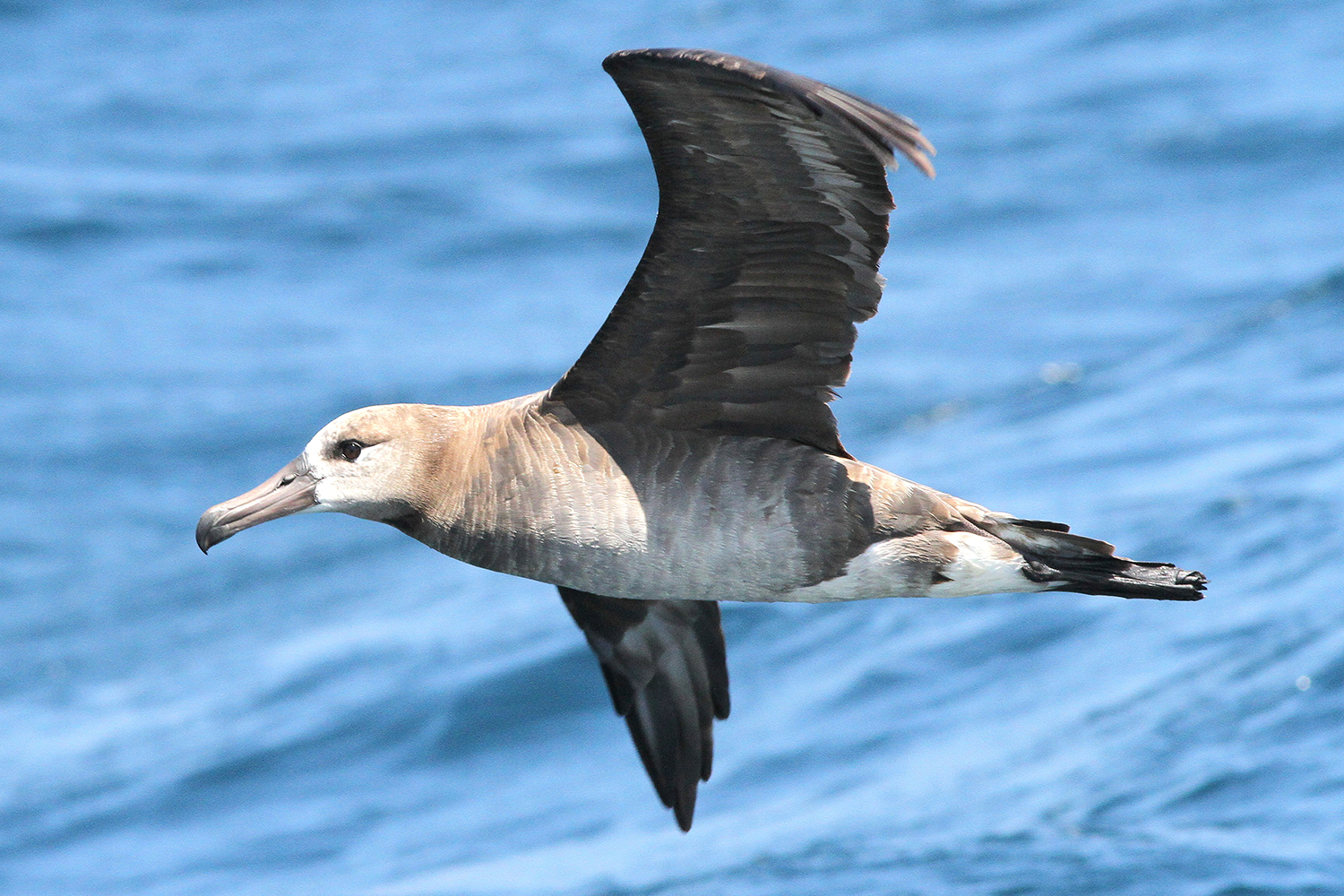
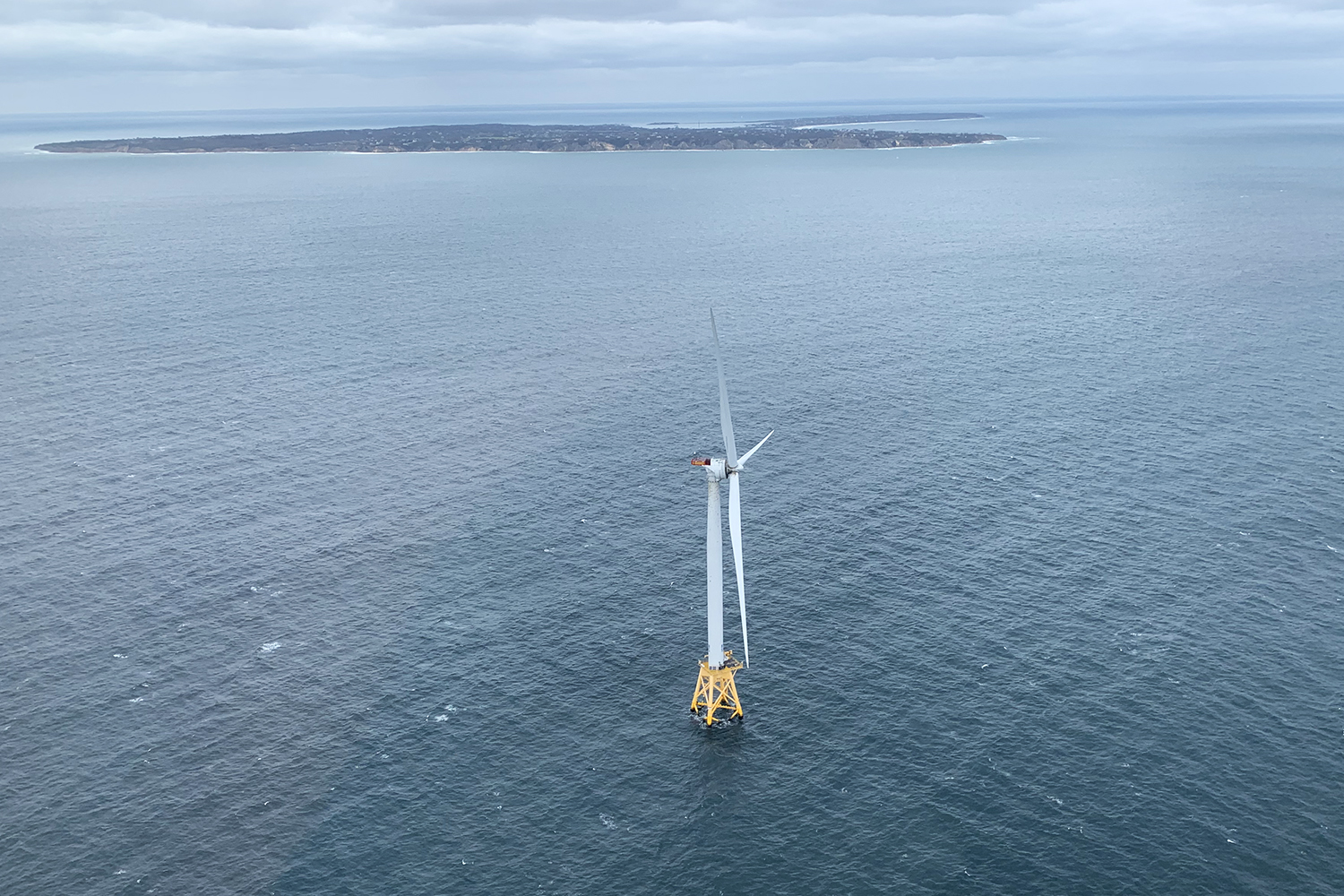
  • Thursday, April 27 @ 2 pm (webinar) — Seabirds in 3D: a new framework for assessing collision vulnerability with floating offshore wind

    Thursday, April 27 @ 2 pm (webinar) — Seabirds in 3D: a new framework for assessing collision vulnerability with floating offshore wind

    REGISTER HERE

    Thursday, April 27 from 2-4 pm (Pacific)

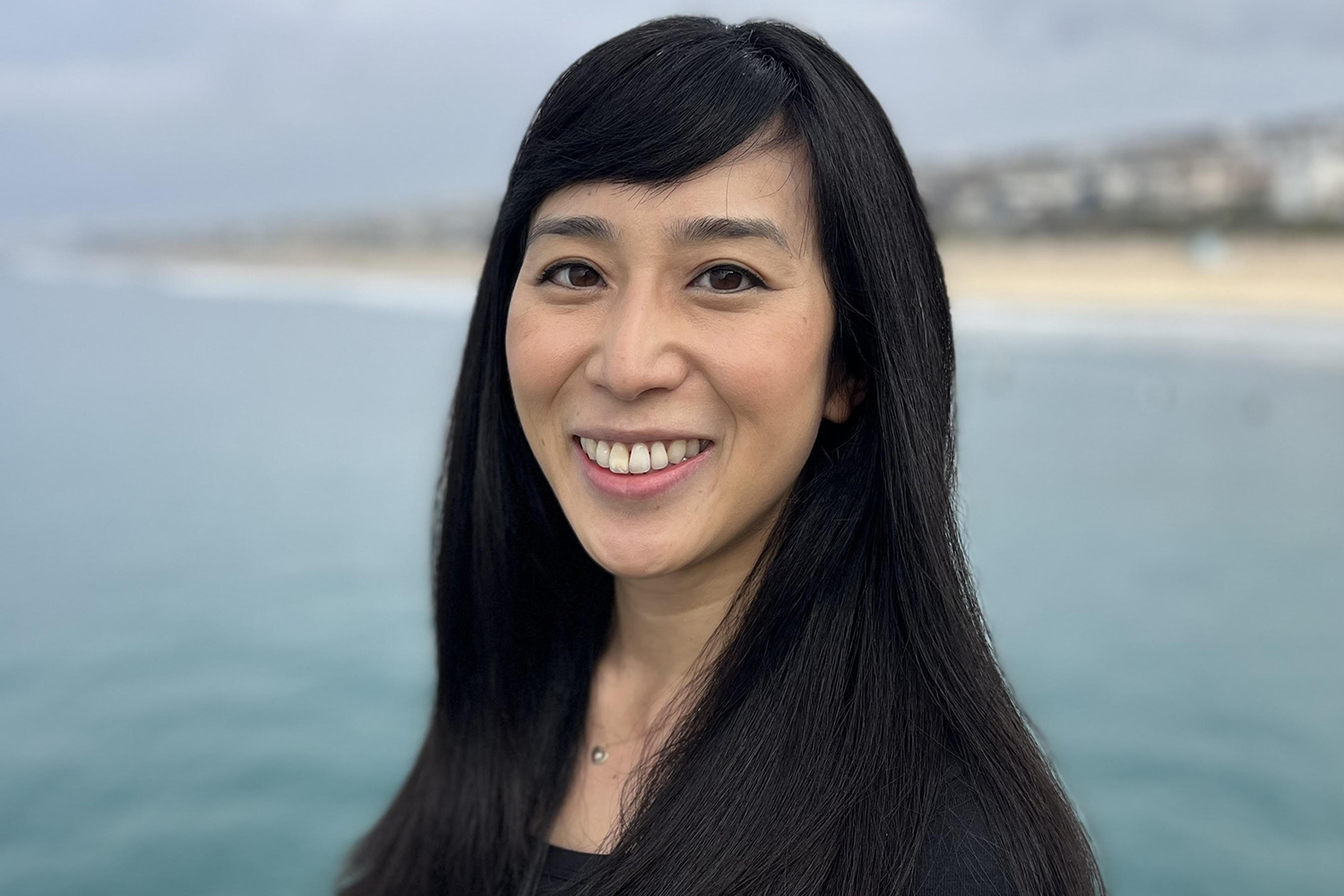
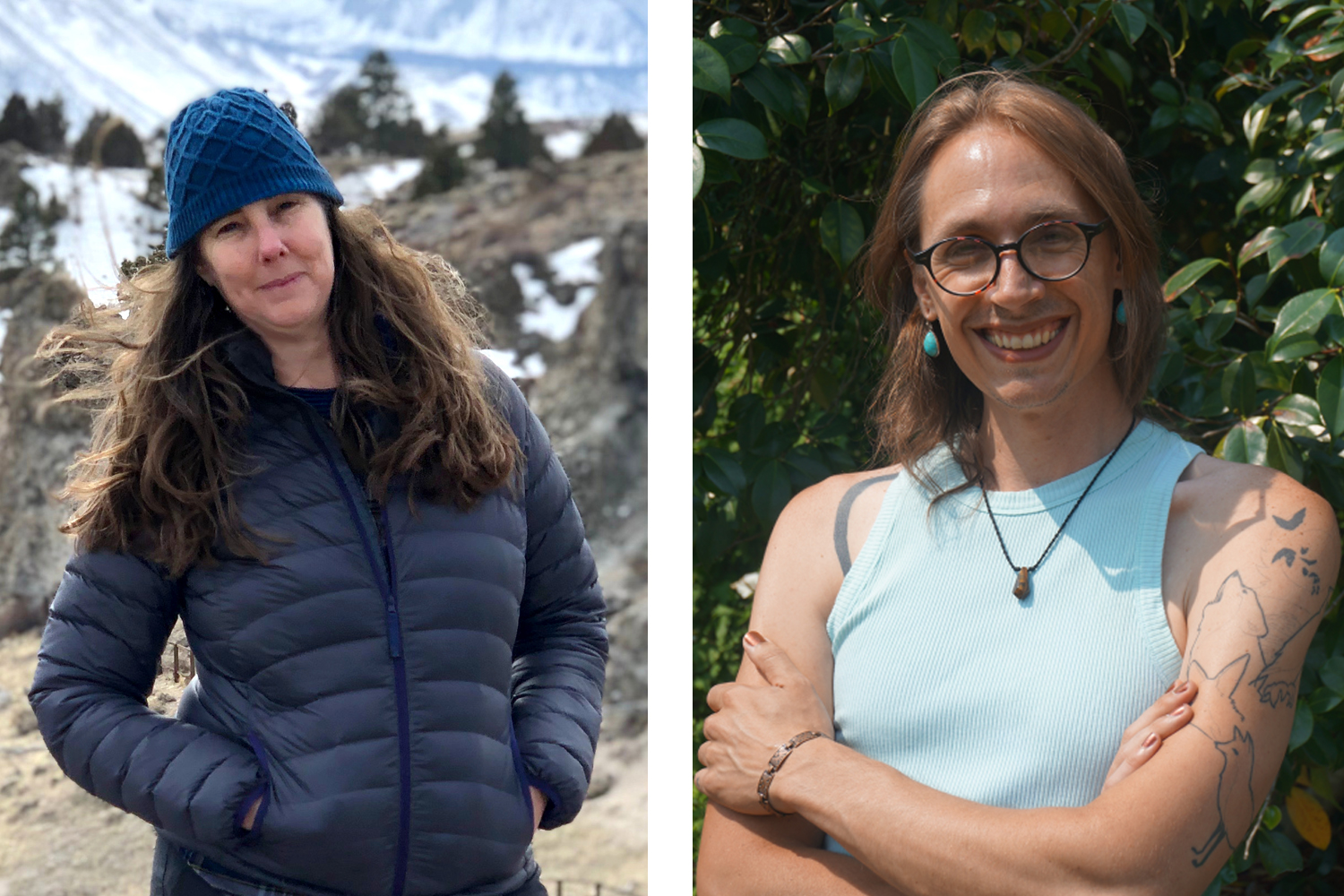
    • Presented by: Sharon Kramer and Stephanie Schneider of H. T. Harvey & Associates, and Eli Wallach and Arne Jacobson of the Schatz Energy Research Center at Cal Poly Humboldt
    • Panelists: Garry George, Director of the Clean Energy Initiative for the National Audubon Society, and David M. Pereksta, Avian Biologist at the Bureau of Ocean Energy Management

    In order to determine the potential impacts of offshore wind turbines on seabird species, we need to understand species distribution and behavior in three dimensions – not only where birds have been recorded per longitude and latitude, but how they behave in the air column in response to varying wind conditions. For example, seabirds that typically fly beneath the sweep range of a turbine may have different avoidance behaviors than those for whom the blades are in their preferred flight space. Further, birds respond to the wind speed, and adjust their flight height when the wind is strong (and hence turbines are rotating quickly) versus when the air is calm, so there is a conditional dimension to the analysis as well.

    Our 3D seabird interactions study models (a) the abundance of seabirds within rotor swept elevations, and (b) localized offshore wind generation potential. The objective is to identify those areas along the California coast which have a strong generation potential and minimal seabird occurrence.

    • Our model inputs begin with historic at-sea observation data from both vessels and aircraft, and long term spatial covariates, for the US West Coast.
    • Relationships between wind speeds and seabird flight height are then added to create a 3D map of anticipated seabird density.
    • Next, power generation estimates are made using modeled wind resource data generated by the National Renewable Energy Laboratory (NREL) for coastal and offshore areas, along with the expected turbine characteristics for 12 and 15 MW turbines.
    • Finally, the performance of various wind farm configurations are compared with seabird abundance using a pareto optimization approach.

    In this talk, we will discuss these methods, which we used to model abundance for forty-four seabird species, and how we simulated wind facility power generation. And, we will explore possible tradeoffs between seabird vulnerability and power generation.

    REGISTER for this webinar

    Additional resources

  • Thursday, April 6 @ 5:30 pm (webinar)–  The justice conundrum in coastal adaptation

    Thursday, April 6 @ 5:30 pm (webinar)– The justice conundrum in coastal adaptation

    With Jola Ajibade, Ph.D., of Portland State University

    REGISTER for this webinar

    Next up in our Climate and Clean Energy series, we explore the justice conundrum in coastal adaptation: should we retreat or invest in floating climatopias?

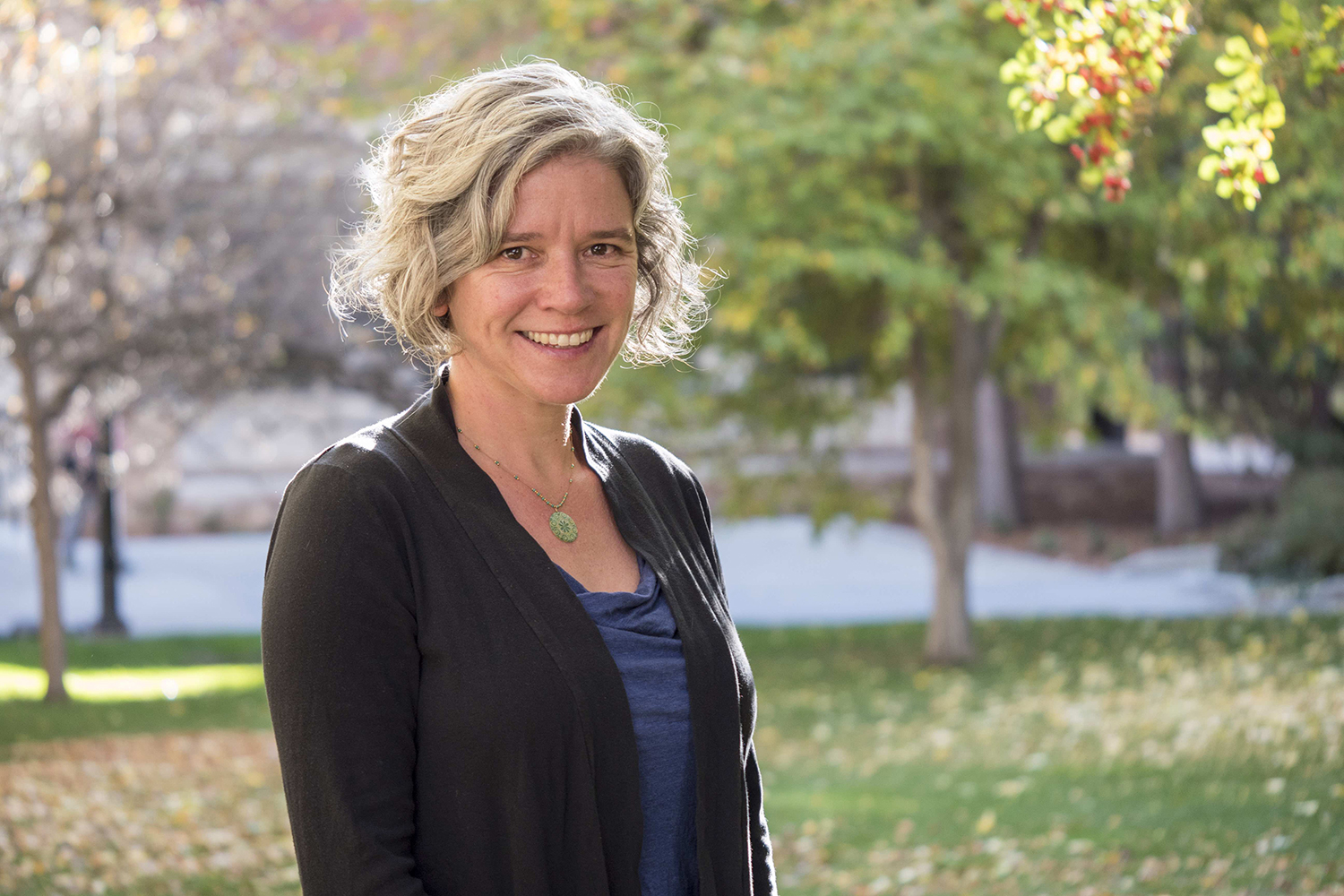
    Dr. Jola Ajibade is an associate professor of geography and a scholar activist who applies both environmental justice and political ecology lenses to study the intersections of climate risk, urban disasters, resilience planning, coastal management, and societal transformations. Broadly speaking, her research focuses on how individuals, communities, and cities respond to global climate change and their different capacities for adaptation and transformation. In her recent research, she examines how climate adaptation solutions such as managed retreat programs, floating cities, tree planting, blue-green infrastructures, and utopian development projects intertwine with exclusionary planning practices to reproduce structural and historical injustices, thereby exacerbating racial, gender, and class-based inequalities and undermining the capacities of marginalized communities to respond to climatic and socio-economic crises.

    In her works, Dr. Ajibade advances ideas about just urban adaptation through embracing feminist, decolonial, and antiracist approaches as well as care ethics that can lead to more just, livable, and sustainable urban futures. Her work also explores unconventional approaches such as partnering with social entrepreneurs, grassroots coalitions, cooperatives, and small businesses in promoting a shareable economy, sustainable lifestyle changes, low-carbon development, and socially just resilience planning in cities. Dr. Ajibade’s work has been featured in many academic journals and media outlets including Science Friday, NPR, Yale Environment 360, Science, New Internationalist, and Vice.

    About the series

    The Climate and Clean Energy Series is sponsored by the Schatz Energy Research Center at Cal Poly Humboldt. All events are free and open to the public.

    For questions or to request technical or accessibility support, please contact schatzenergy@humboldt.edu or call 707-826-4345.

  • SAFE Symposium: March 1, 2023

    SAFE Symposium: March 1, 2023

    We invite you to join us on Wednesday, March 1, for a symposium on Rural & Tribal Community Resilience: Strategies for Action. This in-person event is part of the SAFE project — a collaboration of the Blue Lake Rancheria Tribe, the Karuk Tribe, and the Schatz Energy Research Center at Cal Poly Humboldt.

    This day-long symposium will bring together Tribal leaders and community members, students and researchers, local government and state agency representatives, and others working on efforts related to smoke, air, fire, and energy (SAFE), with a goal of enhancing rural and Tribal climate resilience.

    Communities across our region are facing increased fire risk and worsening air quality while navigating unreliable energy infrastructure. At the state and federal level, there has recently been an influx of funding to address these needs — and to build the related job skills and workforce capacity within local communities. The SAFE symposium will include speaker and panel discussions of clean energy, cultural fire, and air quality; host microgrid tours and a solar training workshop; and support collaborative group conversations.

    This symposium is free and open to the public. It will be held in the Blue Lake Rancheria’s Sapphire Palace from 10 am to 4:30 pm, and will include a complimentary lunch, beverages, and snacks. Hotel information is available via the registration form.

    • Questions? Please contact SAFE project manager Tanya Garcia.

    Working agenda:

    • 9:30 am – Convene
    • 10:00 am – Welcome and opening comments
    • 10:45 am – Presentation: Women’s TREX
    • 11:00 am – Panel discussion: “Living with Fire and Smoke”
    • 11:40 am – Panel discussion: “Safe Air for Everyone”
    • 12:30 pm – Lunch
    • 1:30 pm – Tours, trainings and workshops, and collaborative discussions
    • 3:00 pm – Presentation: “Progress and Opportunities for Microgrids”
    • 3:30 pm – Panel discussion: “Building Community Energy Sovereignty”
    • 4:00 pm – Closing comments

    Lodging:

    Lodging for symposium participants is available at the Blue Lake Hotel at a rate of $90 per night for the nights of February 27 and 28, and March 1 and 2. To make a reservation, please call the hotel front desk at (707) 668-9770 x2881 and request the “SAFE Symposium” group rate.

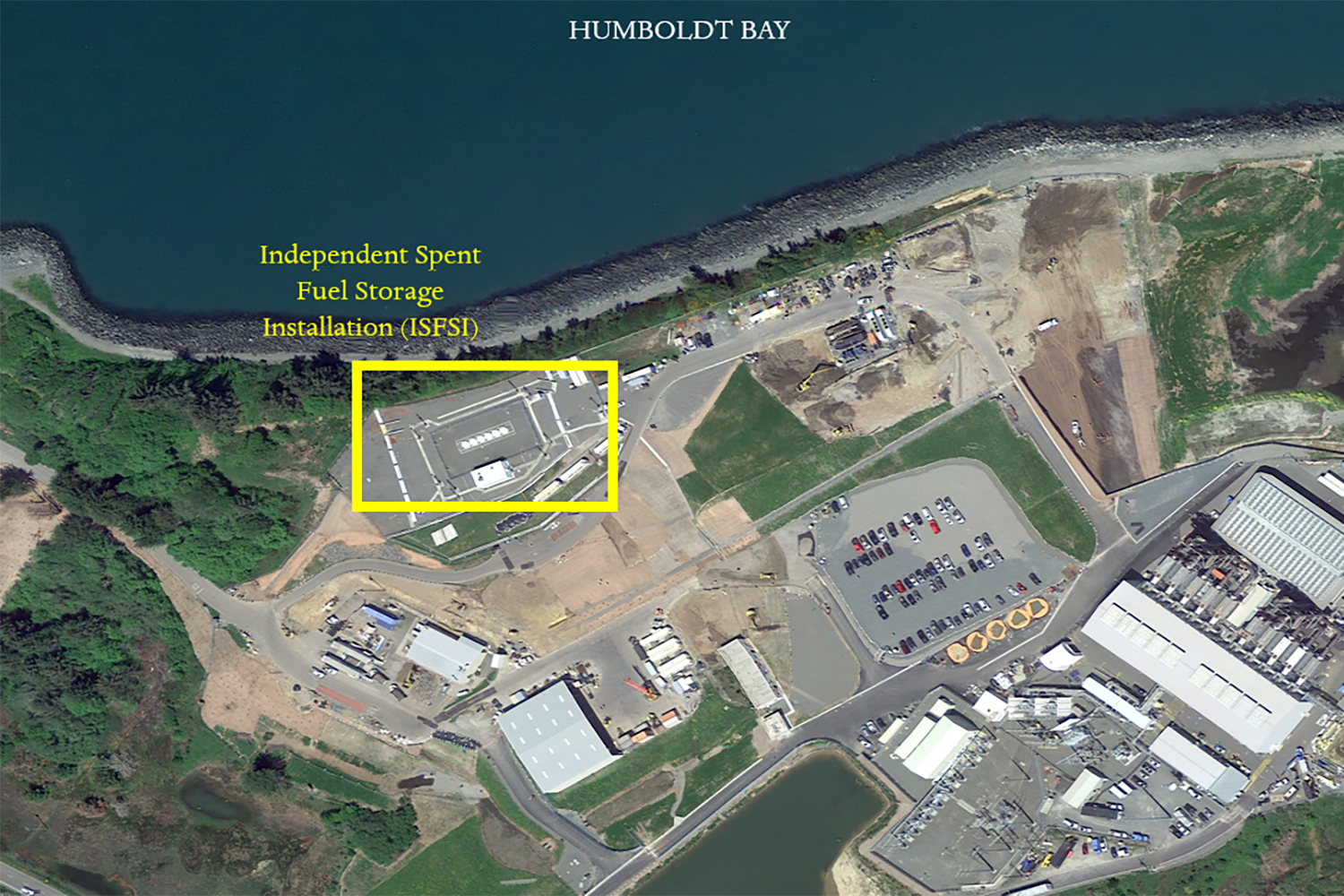
  • Thursday, February 23 @ 5:30 pm (webinar) — Spent nuclear fuel and sea level rise in Humboldt Bay

    Thursday, February 23 @ 5:30 pm (webinar) — Spent nuclear fuel and sea level rise in Humboldt Bay

    44 Feet: Vulnerabilities, Opportunities, and Strategies for Managing Risk from Sea-Level Rise to Humboldt Bay’s Spent Nuclear Fuel Site

    With Jennifer Marlow and Alexander Brown

    REGISTER for this webinar

    In 2022, the 44 Feet research team conducted a series of workshops with representatives from north coast Tribes, state and local government agencies, nonprofit organizations, advocacy groups, scientific experts, the nuclear industry, Pacific Gas & Electric, elected officials, community advisory board members, academia, and the general public. The goals of these workshops were (a) to facilitate a common understanding of climatic and environmental risks to the spent nuclear fuel site on Humboldt Bay and (b) share strategies for managing foreseen and unforeseen hazards to public health and safety, in ways that also aim to protect ecological and cultural values prioritized by Humboldt Bay communities and Tribes.

    In deliberating over scenarios that explore a range of probable, unlikely but possible, and desired futures, participants illuminated socially and scientifically relevant action plans that embrace the deep uncertainties underscoring spent nuclear fuel management in the United States. The 44 Feet research team looks forward to sharing the outcomes of these focus groups — many of which highlight optimal pathways for guiding the transition toward a safer and more climate-resilient coastline.

    Jennifer Marlow is Assistant Professor of Environmental Law in the Environmental Science and Management Department at Cal Poly Humboldt and founded the 44 Feet Project. Alexander Brown is a Graduate Research Assistant and Master’s Candidate in the Department of Natural Resources Environmental Science and Management Program at Cal Poly Humboldt. 44 Feet is supported by funding from California Sea Grant and CSU COAST. Learn more at 44feetproject.com.

    About the series

    The Climate and Clean Energy Series is sponsored by the Schatz Energy Research Center at Cal Poly Humboldt. All events are free and open to the public.

    Captioning is provided for all talks. To request additional support, please contact schatzenergy@humboldt.edu or call 707-826-4345.

  • June 22: Redwood Coast Airport Microgrid grand celebration

    June 22: Redwood Coast Airport Microgrid grand celebration

    We invite you to join us on Wednesday, June 22 as we celebrate the completion and successful commercial operation of the Redwood Coast Airport Microgrid.

    Join us to learn about:

    • Project innovations: grid integration, energy market participation, and more
    • Next steps for California microgrids, including the Cal Poly Humboldt campus microgrid and Tribal energy resilience programs
    • Workforce development and student training opportunities

    Schedule of activities:

    • 10:00 am — Gates open
    • 10:30-11:30 am — Main event
    • 12:00 pm — Microgrid tour (rsvp required)

    How to attend:

    • Main event: All are welcome! Please park in the main lots (unless otherwise instructed onsite) and then head to the front of the terminal, where staff will be giving directions. The microgrid is located on the south side of the airport along Baadsgaard Avenue. Carpooling is highly recommended to limit site congestion.
    • Noon microgrid tour: We have limited spaces available for a public tour of the microgrid after the main event. Tour registration is available via the Redwood Coast Energy Authority website, where you can also find information about upcoming public tour dates.

    Questions?

    Contact us at schatzenergy@humboldt.edu or call 707-826-4345.

    Partners

    The Redwood Coast Airport Microgrid is California’s first completely renewable, front-of-the-meter, multi-customer microgrid. It is the product of a collaborative partnership between the Schatz Energy Research Center at Cal Poly Humboldt, the Redwood Coast Energy Authority, the County of Humboldt, Pacific Gas & Electric, Schweitzer Engineering Labs, Tesla, Inc., TRC, and The Energy Authority. Many local and regional contractors also contributed to this groundbreaking effort. We are grateful for your work, and look forward to celebrating with you all.

    This microgrid project was funded by the California Energy Commission’s EPIC program and the Redwood Coast Energy Authority, and was supported by a loan from the US Department of Agriculture.

    A PG&E technician in a bucket crane works at an illuminated open circuit panel
    Midnight system testing at the Redwood Coast Airport Microgrid
  • Thursday, March 3 @ 5:30 pm: Alison Bates — Conflict and coexistence: lessons learned from coastal community experiences with offshore wind

    Thursday, March 3 @ 5:30 pm: Alison Bates — Conflict and coexistence: lessons learned from coastal community experiences with offshore wind

    What might a just and equitable energy transition look like for coastal communities? In this talk, Alison Bates will share research she has conducted over the last decade on the social acceptance of offshore wind energy, and how conceptualizations of “community” and a “just” energy transition have evolved over that time. She will examine how various stakeholders are (or are not) engaged with offshore wind; identify drivers of support for, and opposition to, offshore wind; and discuss how offshore wind decision-making processes that aim for justice can sometimes undermine or co-opt marginalized communities. She will also share the results of spatial models that incorporate stakeholder value into decision-making, and how these data can inform governmental processes. Finally, she will address recent and ongoing policy developments for floating wind in the Gulf of Maine.

    Alison Bates

    Alison Bates is an Assistant Professor of Environmental Studies at Colby College in Maine. Dr. Bates researches social acceptance of renewable energy systems and implements an equity and justice framework to inform decision-making in the energy transition. Her research includes multiple technologies including offshore wind, community solar, post-disaster energy grid resilience, and energy efficiency. More recently, she has focused on floating wind development, and the possibilities for technical solutions to social challenges with floating wind. She has worked on state and national energy policy with the Maine Governor’s Energy Office and with U.S. Senator Coons to develop markets and policies for renewable energy infrastructure along the Atlantic Outer Continental Shelf and in the Gulf of Maine. She earned her PhD in Marine Policy at the University of Delaware Center for Carbon-free Power Integration and has ten years of experience in the nonprofit sector for environmental education and public land conservation.

    About the series

    The Sustainable Futures speaker series aims to stimulate interdisciplinary collaboration around issues related to energy, the environment, and society. These lectures are sponsored by the Schatz Center, the Environment & Community graduate program, and the College of Arts, Humanities & Social Sciences at Cal Poly Humboldt.

    We’re holding the spring 2022 series online via Zoom. All events are free and open to the public.

    Captioning is provided for all talks. To request additional support, please contact schatzenergy@humboldt.edu or call 707-826-4345.

  • Thursday, January 27 at 5:30 pm: Jill Lindsey Harrison — Why do government agencies allow environmental inequalities to persist?

    Thursday, January 27 at 5:30 pm: Jill Lindsey Harrison — Why do government agencies allow environmental inequalities to persist?

    In this presentation, Jill Lindsey Harrison will present key findings from her book, From the Inside Out, which lifts the veil on the U.S. Environmental Protection Agency and other environmental regulatory agencies to offer new insights into why they fail to reduce harmful toxics and other hazards in our nation’s most environmentally overburdened and vulnerable communities.

    Harrison’s research examines the disappointing pace of environmental regulatory agencies’ environmental justice (EJ) programs and policies as a case through which to understand why, despite reducing air and water pollution for the nation overall, government has not protected the communities who suffer the most.

    Other scholars have shown that budget cuts, industry pressure, and other factors outside the control of agency staff constrain the possibilities for EJ reforms to regulatory practice. Via extensive staff interviews and team observations, Harrison’s study shows that agencies’ EJ efforts are also undermined by elements of regulatory workplace culture — including everyday ways in which well-meaning staff dedicated to environmental regulation reject EJ reforms as violating what they think their organization does and should do. These interviews also reveal how EJ staff at government agencies endeavor to change both regulatory practice and regulatory culture, from the inside out.

    Jill Lindsey Harrison is an Associate Professor at the University of Colorado Boulder. Her research focuses on  environmental justice, environmental politics, and immigration politics, with a regional emphasis on the United States.  Her research covers political conflict over agricultural pesticide poisonings in California, escalations in immigration enforcement in rural Wisconsin, and government agencies’ environmental justice reform efforts, with the thread throughout being an aim to help identify and  explain the persistence of environmental inequalities and workplace inequalities in the United States today. Dr. Harrison has written two books, Pesticide Drift and the Pursuit of Environmental Justice (2011)  and From the  Inside Out: The Fight for Environmental Justice within Government Agencies (2019).

    About the series

    The Sustainable Futures speaker series aims to stimulate interdisciplinary collaboration around issues related to energy, the environment, and society. These lectures are sponsored by the Schatz Center, the Environment & Community graduate program, and the College of Arts, Humanities & Social Sciences at Cal Poly Humboldt.

    We’re holding the spring 2022 series online via Zoom. All events are free and open to the public.

    Live captioning is provided for all talks. To request additional support, please contact schatzenergy@humboldt.edu or call 707-826-4345.

  • Fall 2021 Sustainable Futures speaker series begins this week!

    Fall 2021 Sustainable Futures speaker series begins this week!

    We’re excited to welcome Grace Wu (UCSB), Sophia Stamatopoulou-Robbins (Bard College), Bill McKibben (350.org), Sam Arons (Lyft), and William Bauer (University of Nevada) this fall for our Sustainable Futures speaker series. Each lecture will be streamed via Zoom, and will be followed by a Q&A discussion period. All events are free and open to the public, and live captioning will be provided for all talks. To request additional support, please contact schatzenergy@humboldt.edu or call 707-826-4345. 

    We’ll open with a talk by Grace Wu this Thursday (9/23) at 5:30 pm Pacific: Building a net zero energy system that protects biodiversity. Grace Wu is an Assistant Professor in the Environmental Studies Program at the University of California Santa Barbara. She is broadly interested in the dynamics and drivers of land use change, climate change mitigation, and advancing our ability to plan for sustainable, multi-use landscapes that protect biodiversity and advance climate goals. She uses spatial science approaches to identify and understand the co-benefits and trade-offs between climate solutions and habitat conservation. REGISTER for Grace Wu’s talk

    Next Thursday (9/30) at 5:30 pm Pacific, we’ll be joined by Sophia Stamatopoulou-Robbins who will share insights from her book on Waste siege: the life of infrastructure in Palestine. Sophia Stamatopoulou-Robbins is an Associate Professor of Anthropology at Bard College with interests in infrastructure, waste, environment, colonialism, austerity, and platform capitalism. Her first book, Waste Siege: The Life of Infrastructure in Palestine (Stanford, 2019), won the Middle East Studies Association’s Albert Hourani Book Award (2020). Her current book, Homing Austerity: Airbnb in Athens (upcoming from Duke University Press) examines how Airbnb is transforming the relationship between subjectivity, real estate, work, and aesthetics. REGISTER for Sophia Stamatopoulou-Robbins’ talk

    On October 7 @ 4:00 pm Pacific, author and activist Bill McKibben will discuss What can we still do — to slow the rise of temperature, and to find some resilience in our divided societies? Bill McKibben is a contributing writer to The New Yorker, a founder of the grassroots climate campaign 350.org and the Schumann Distinguished Professor in Residence at Middlebury College in Vermont. He was a 2014 recipient of the Right Livelihood Prize, sometimes called the ‘alternative Nobel,’ and the Gandhi Peace Award. He has written over a dozen books about the environment, including his first, The End of Nature, published 30 years ago, and his most recent, Falter: Has the Human Game Begun to Play Itself Out? REGISTER for Bill McKibben’s talk.

    On November 4 @ 5:30 pm, Sam Arons, the Director of Sustainability at Lyft, will describe his vision for The road ahead: shared electric vehicles. Sam joined Lyft in 2018, and in 2020, Lyft made an industry-leading commitment to reach 100% electric vehicles on the Lyft platform by 2030. Prior to Lyft, Sam spent 10 years at Google as Senior Lead for Energy & Infrastructure, where he co-led Google’s achievement of 100% renewable energy in 2017, making Google the largest non-utility purchaser of renewable energy on the planet to-date with over 3 GW of wind & solar energy under contract. Before Google, Sam earned a BA in Physics from Williams College and an MS in Energy and Resources from UC Berkeley, where his research focused on wind energy and plug-in vehicles, respectively. REGISTER for Sam Arons’ talk.

    Closing out the series on November 18 @ 5:30 pm will be William Bauer, author of We are the land: a history of Native California. More info on this event will be coming soon!

  • SFSS webinar 11/12 – Holy waters: colonial control of land, space, and resources in Palestine

    SFSS webinar 11/12 – Holy waters: colonial control of land, space, and resources in Palestine

    REGISTER for this webinar (5:30 pm Pacific)

    A smiling woman with long hair and glasses is wearing a green shirt and standing outside a building.

    Leena Dallasheh is an associate professor of history at Humboldt State University. She received her PhD in the joint History and Middle Eastern and Islamic Studies program at NYU. Her areas of specialization are the social and political history of the modern Middle East and modern Palestinian and Israeli history. Her research focuses on the social and political history of Nazareth from 1940 to 1966, tracing how Palestinians who remained in Israel in 1948 negotiated their incorporation in the state, affirming their rights as citizens and their identity as Palestinian.

    Dallasheh’s article Troubled Waters: Governing Water and Struggling for Citizenship in Nazareth appeared in IJMES 47 (2015). She also published articles and reviews in JPS, edited collections, and other public forums. Before her doctorate work at NYU, she received a law degree from the Hebrew University in Jerusalem.

    How to attend

    We’re holding this year’s Sustainable Futures speaker series online via webinar. Each lecture will be streamed via Zoom, and will be followed by a Q&A discussion period. All events are free and open to the public.

    About the series

    The Sustainable Futures Speaker Series stimulates interdisciplinary collaboration around issues related to energy, the environment, and society. All lectures are free and open to the public, and are sponsored by the Schatz Energy Research Center, the Environment & Community graduate program, and the College of Arts, Humanities & Social Sciences at Humboldt State University.

    Questions? Email info@schatzcenter.org.

  • SFSS webinar 10/29 — Energy transitions in a time of intersecting precarities

    SFSS webinar 10/29 — Energy transitions in a time of intersecting precarities

    Energy transitions in a time of intersecting precarities: from reductive environmentalism to antiracist praxis

    REGISTER for this talk

    This talk will offer a pragmatic praxis for aligning community solar campaigns with antiracist principles — linkages that can help communities of color rebuild after Covid-19. This praxis shifts the focus of such campaigns from the “means of reduction” to the means of production. Here, the means of reduction refers to the practices that render commodities as capable of reducing greenhouse gas emissions and electricity bills. In shifting the focus of community solar campaigns from reduction to production, the proposed praxis can ensure that community solar efforts address the white supremacist hierarchies that inhere in solar supply chains. The praxis’ “theoretical” component repurposes the concept of “co-pollutants” to illuminate environmental injustices in the production of solar commodities. Its “practice” component addresses solar’s co-pollutants by transitioning community solar campaigns away from consumer power and toward people power.

    Myles Lennon is an environmental anthropologist, Dean’s Assistant Professor of Environment & Society and Anthropology at Brown University, and a former sustainable energy policy practitioner. His research explores how rooftop solar, resiliency microgrids, and other climate mitigation infrastructures simultaneously reinforce and upend entrenched structures of power as they materialize across long-standing race and class divisions in New York City. He holds a BA in Development Studies from Brown University and a PhD in environmental anthropology from Yale University.

    How to attend

    We’re holding this year’s Sustainable Futures Speaker Series online via webinar. Each lecture will be streamed via Zoom, and will be followed by a Q&A discussion period. All events are free and open to the public.

    About the series

    The Sustainable Futures Speaker Series stimulates interdisciplinary collaboration around issues related to energy, the environment, and society. All lectures are free and open to the public, and are sponsored by the Schatz Energy Research Center, the Environment & Community graduate program, and the College of Arts, Humanities & Social Sciences at Humboldt State University.

    Questions? Email info@schatzcenter.org.