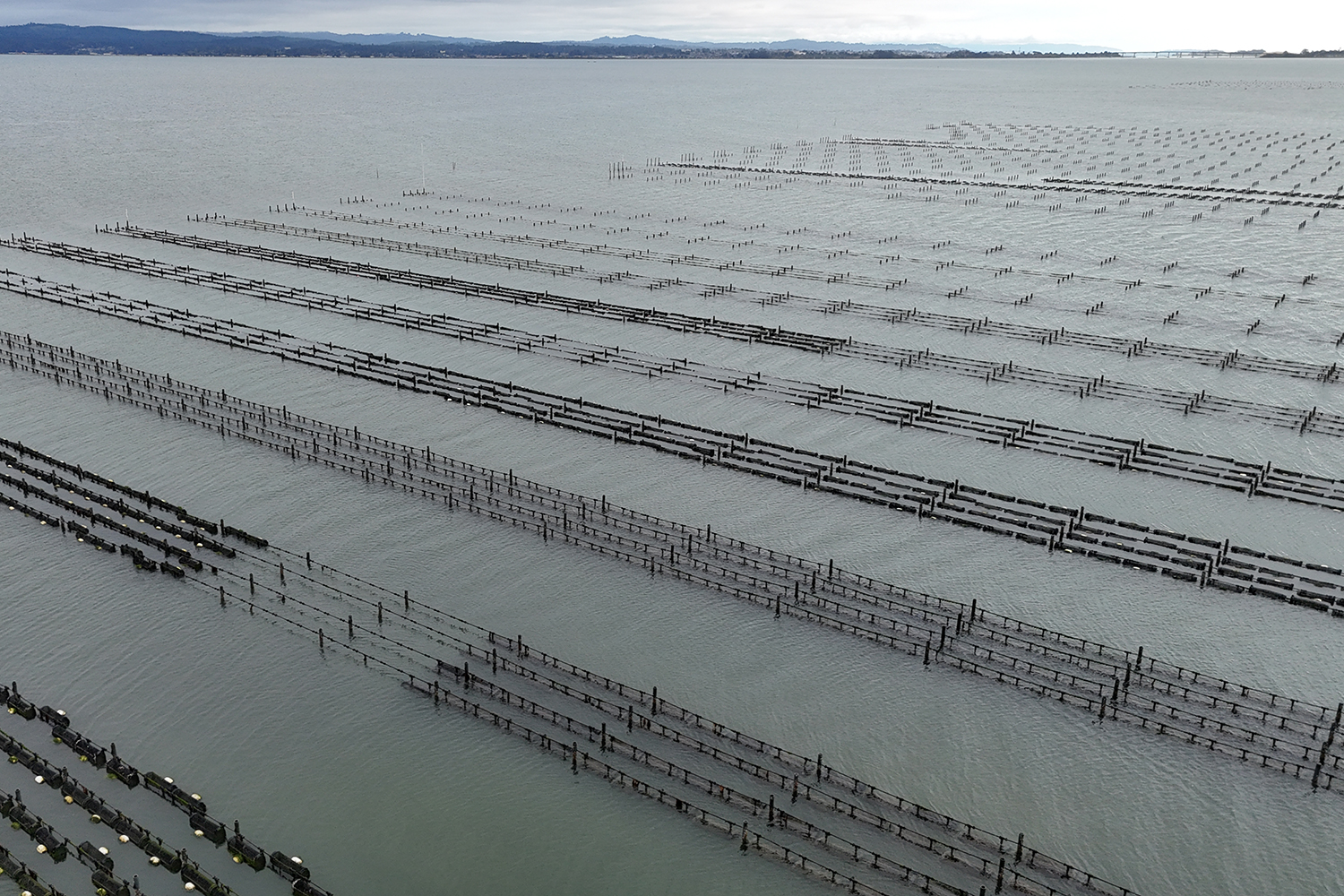
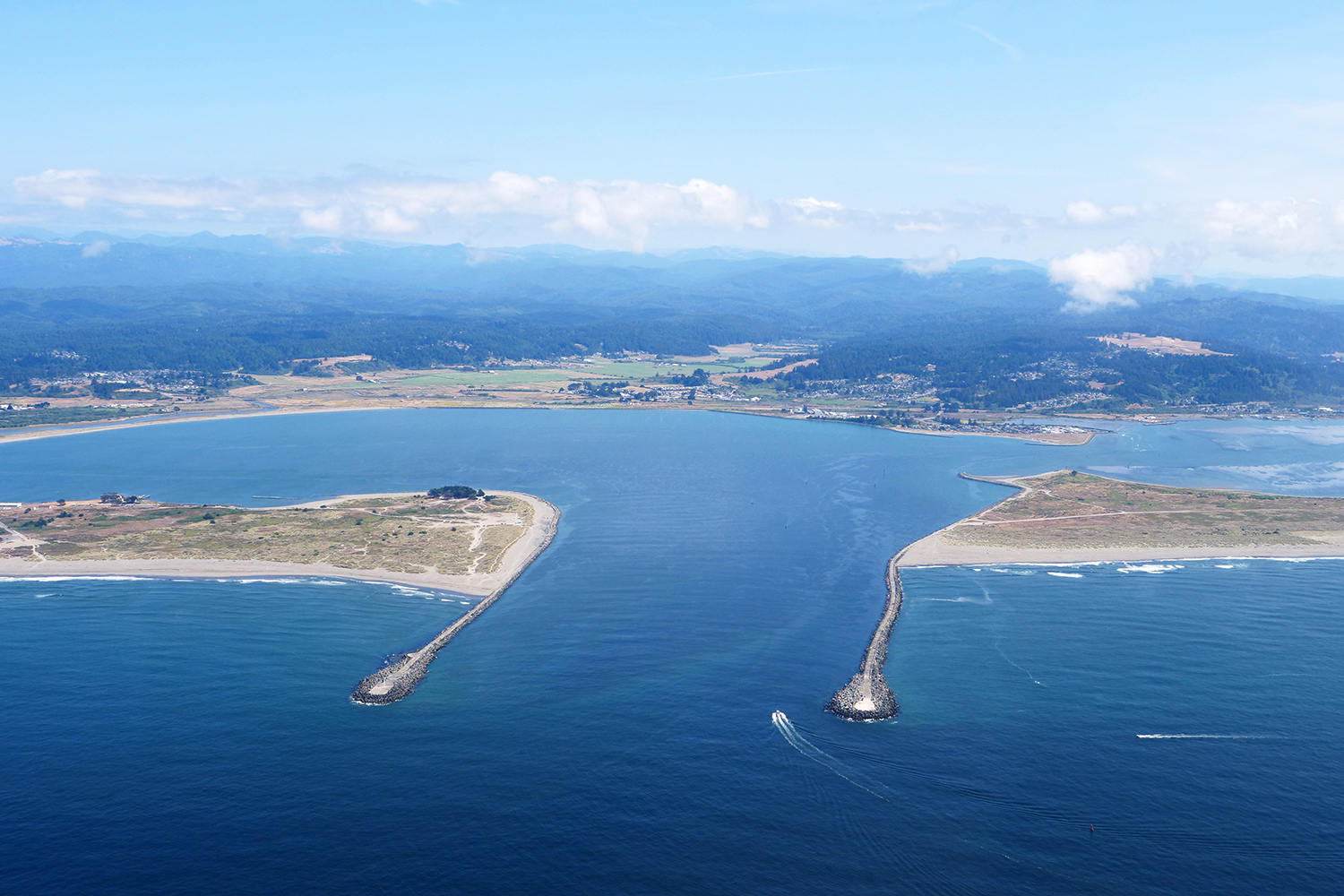
Port infrastructure is a critical part of deploying floating offshore wind. In California, only two ports – Long Beach and Humboldt Bay – are currently considering developing staging and integration facilities, where turbines could be assembled and then towed offshore for installation.
Understanding what it means to develop these large-scale port infrastructure projects requires meaningful engagement with the communities and industries currently occupying those spaces. In a partnership with California Sea Grant, the Schatz Energy Research Center has been supporting this type of engagement for the CA North Coast, including with the shellfish industry in Wigi / Humboldt Bay.
This webinar will include presentations from California Sea Grant and the Schatz Center about their work with Humboldt Bay shellfish farmers over the past two years, and perspectives from local shellfish farmers who have participated in these efforts and are actively engaged in the development process. Our goal is for attendees to come away with a better understanding of Humboldt Bay as a working estuary and agricultural space, and of the concerns and priorities of the shellfish industry regarding large-scale port development.
Presenters & panelists will include Tanner Etherton (Schatz Energy Research Center & California Sea Grant), Kevin Johnson (California Sea Grant), Justin Mojonnier (Hog Island Oyster Company), and Todd Van Herpe (Humboldt Bay Oyster Company).
This talk is a production of the Pacific Offshore Wind Consortium and the Schatz Energy Research Center. For questions about this webinar or to request technical or accessibility support, please contact us at schatzenergy@humboldt.edu or call 707-826-4345.
Join us for a public webinar on Tuesday, June 23, from 11:00 am – 1:00 pm.
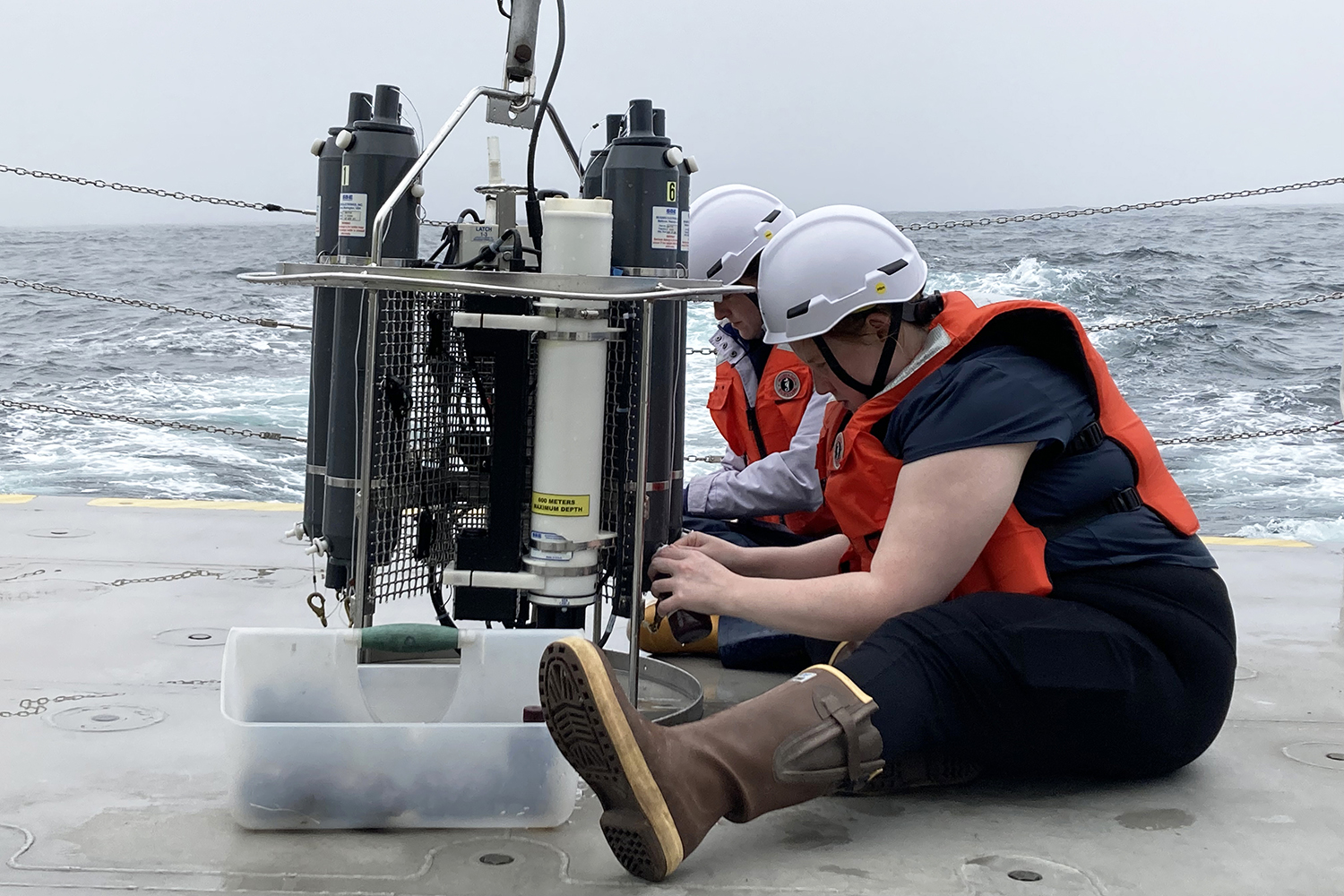
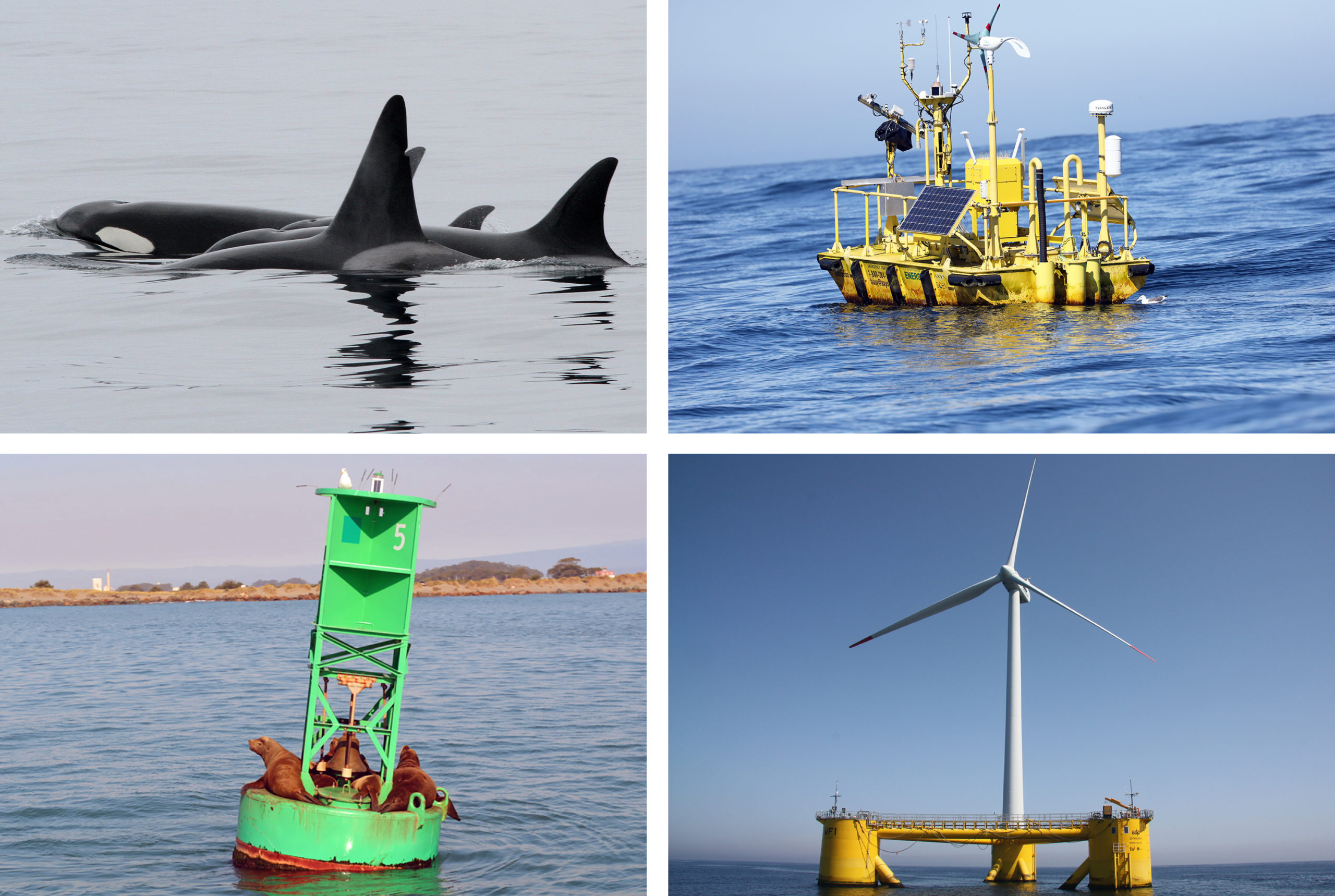
Over the last two years, the California Marine Sanctuary Foundation (CMSF) has worked with over two hundred scientists — in coordination with the California Ocean Protection Council and California Department of Fish and Wildlife — to develop a statewide Environmental Monitoring Framework for floating offshore wind development. This framework provides a science-based foundation to guide the development of site-specific monitoring plans for species, habitats, and oceanographic processes that may be affected by floating offshore wind in California. It identifies potential environmental impacts from OSW development, proposes relevant monitoring questions, and reviews available and emerging monitoring tools.
Join us on June 23 for a discussion with CMSF and Cal Poly San Luis Obispo on monitoring recommendations and other next steps.
This talk is a production of the Pacific Offshore Wind Consortium. For more information on POWC, please visit powc.us.
For questions about this webinar or to request technical or accessibility support, please contact schatzenergy@humboldt.edu or call 707-826-4345.
For more information, contact: schatzenergy@humboldt.edu or 707-826-4345.
Important note: The Schatz Center is committed to providing research that is accessible to everyone. If you encounter any barriers while using this document or require the information in an alternative format, please contact us at schatzenergy@humboldt.edu or 707-826-4345.
Join us for a public webinar on June 17, at 12:00 pm PST, to explore findings from this memo and learn more about the MoorSea project– an ongoing CEC-funded project related to sensor package development and detection of marine entanglements. Presenters will include Dr. Arne Jacobson, Dr. Maysam Mousaviraad, Eli Wallach, and Greyson Adams.
“Ghost gear” is the evocative term for lost, discarded and abandoned fishing gear found in the marine and coastal environment. This gear can create multiple hazards for marine life.
Secondary entanglement refers to situations where ghost gear becomes entangled with existing infrastructure – creating a new entanglement hazard. The Schatz Center is leading research efforts to support advancements in environmental monitoring for mooring lines used to anchor floating offshore wind farms. Our goal is to expand the capacity of underwater sensors and remote operated vehicles to detect (a) primary entanglements between ghost gear and mooring lines, and (b) secondary entanglements between mooring-line-entangled ghost gear and transiting marine species. Our study focus is the deepwater environment of the Humboldt and Morro Bay Wind Energy Areas (WEAs) off the coast of Northern and Central California.
In order to assess detectability, we first need to characterize: (i) species of concern within these areas, (ii) ghost gear found within this region, and (iii) the metocean environment within the WEAs. (Note: metocean data is key for evaluating the sensor-signal to background noise ratio.)
Our first report, prepared by the Schatz Center and our partner colleagues at H.T. Harvey & Associates for the MoorSEA project, provides a high-level overview of the environmental and biological data associated with the Humboldt and Morro Bay WEAs.
For more information, contact: schatzenergy@humboldt.edu or 707-826-4345.
Important note: The Schatz Center is committed to providing research that is accessible to everyone. If you encounter any barriers while using this document or require the information in an alternative format, please contact us at schatzenergy@humboldt.edu or 707-826-4345.
We invite you to join us for a presentation by Vincent Ialenti, on Thursday, April 30 @ 5:30 pm in BSS 166 at Cal Poly Humboldt (next to the Native American Forum). This event is free and open to the public, and ADA accessible parking is available in the lot immediately to the south of the Native Forum building. For questions or accessibility requests, please contact schatzenergy@humboldt.edu or call 707-826-4345.
America’s Nuclear Waste Gridlock and the Future of the Humboldt Bay Spent Fuel Site
The United States has generated more than 90,000 metric tons of spent nuclear fuel but still lacks a permanent underground repository to store it. As a result, nuclear waste remains stranded at more than seventy sites across the country — including the Humboldt Bay spent fuel storage installation — while federal policy has cycled through decades of stalled initiatives, legal constraints, and partisan policy realignments.
Drawing on his experience as a senior program manager in the U.S. Department of Energy (2022–2025) and more than fifteen years of research on nuclear institutions, anthropologist Vincent Ialenti examines the legal, financial, and cultural forces that have kept the U.S. nuclear waste program in a prolonged state of gridlock. Taking Humboldt Bay as a local reference point, Ialenti situates the North Coast site within the broader national challenge of governing radioactive materials with half-lives extending millions of years into the distant future. The talk explores how societies attempt to make credible intergenerational promises about safety, stewardship, and justice — and why such promises have proven difficult to sustain amid the rapid tempos of American political culture.
About the speaker
Vincent Ialenti is an anthropologist who explores how nuclear institutions govern time, engage publics, and sustain continuity across uncertain futures. During the Biden Administration, he served as a senior program manager in the U.S. Department of Energy’s Office of Nuclear Energy, where he led the Consent-Based Siting Consortia: a $24m national program advancing community participation in siting spent nuclear fuel storage facilities. Prior to his federal service, Ialenti was a MacArthur Assistant Research Professor at George Washington University’s Elliott School of International Affairs and held fellowships at USC, University of British Columbia, and Cornell University’s Society for the Humanities. He is now on the research faculty of Cal Poly Humboldt’s Department of Environmental Studies.
Ialenti is the author of Deep Time Reckoning (MIT Press, 2020) and Longstorming (MIT Press, forthcoming). His work has been featured by the BBC, Scientific American, NPR, Forbes, and other outlets. His research has been supported by the U.S. National Science Foundation, the Mellon Foundation, the MacArthur Foundation, and The Berggruen Institute. Ialenti holds a PhD from Cornell University and a MSc from the London School of Economics.
When: Wednesday, January 14, from 5:30–7:30 pm (presentation will begin promptly at 5:30 pm; doors will open at 5:10 pm)
Where: Wharfinger Building, located at 1 Marina Way Eureka, CA 95501
Who: Everyone is invited to attend this free event!
How are coastal community members thinking about offshore wind? What are the primary interests and concerns – and how do these vary within and between West Coast port towns? Are local residents engaging in “community benefit agreement” planning – and if so, how do they feel about these processes? Do residents have access to clear, accurate, and current information about wind development plans and opportunities within their own community?
Over the past two years, researchers from Oregon State University (OSU), along with partners from the Schatz Energy Research Center at Cal Poly Humboldt, the University of Washington, the University of Delaware, and the University of Maine, have conducted a study on community perspectives on offshore wind development. On the West Coast, the team has interviewed and surveyed residents in three coastal communities – Humboldt Bay, California; Coos Bay, Oregon; and Westport, Washington – to better understand the emerging themes and differences along the coastal region.
The community is invited to join the OSU and Schatz Center teams for a discussion of their preliminary findings, on Wednesday, January 14, from 5:30–7:30 pm at the Wharfinger Building in Eureka. Presenters will include Julia Bingham of Oregon State, and Tanner Etherton and Lauren Hart of the Schatz Center. The presentation will begin promptly at 5:30 pm; doors will open at 5:10 pm.
This event is free and open to the public, and pizza and drinks will be provided. Please note that the discussion will not be filmed or live streamed, although a summary of findings will be available in mid-2026. For questions or accessibility requests, please contact schatzenergy@humboldt.edu or call 707-826-4345.
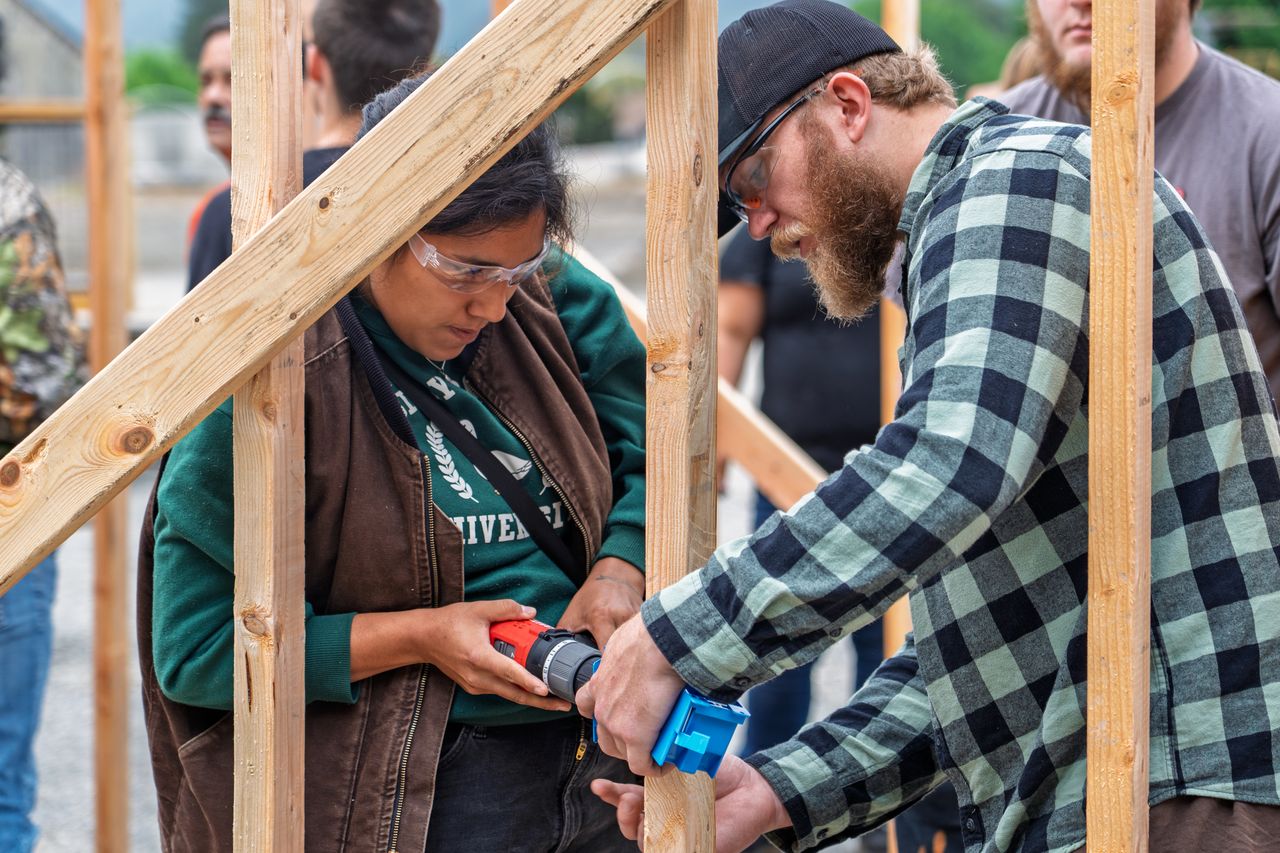
Join us for a discussion of current workforce development efforts to prepare Northern California Tribes and local communities for jobs in the offshore wind and related renewable energy sectors. Presentations will include findings from Humboldt County’s Offshore Wind Workforce Assessment, commissioned by the Humboldt County Workforce Development Board, a Board of the County of Economic Development Division, and from a recent Schatz Center report on professional labor demand in California’s floating offshore wind industry. Presenters will also highlight workforce development programs helping to prepare community members for offshore wind jobs, including the Ta’m Resiliency Campus at Blue Lake Rancheria and the Humboldt Multi-Craft Core Curriculum (MC3) Apprenticeship Readiness Program.
Presenters:
Andy Logan, Head of Industry Development, US, Xodus – Humboldt County Offshore Wind Workforce Assessment
Tanner Etherton, Economic Analyst & Offshore Wind Extension Specialist, Schatz Energy Research Center, Cal Poly Humboldt – Professional Labor Report & POWC workforce initiatives
Heidi Moore-Guynup, Director of Tribal and Government Affairs, Blue Lake Rancheria – Ta’m Resiliency Campus and workforce development in renewable energy
Andie Rix, Workforce and Economic Development Specialist, University Advancement, Cal Poly Humboldt – Humboldt Multi-Craft Core Curriculum (MC3) Apprenticeship Readiness Program
This talk is a production of the Pacific Offshore Wind Consortium. For more information on POWC, please visit powc.us.
For questions about this webinar or to request technical or accessibility support, please contact schatzenergy@humboldt.edu or call 707-826-4345.
About the POWC
This webinar is being hosted by the Pacific Offshore Wind Consortium (POWC, pronounced pow-sea), which is a joint effort between three research centers: the Schatz Energy Research Center at Cal Poly Humboldt, the Pacific Marine Energy Center at Oregon State University, and the Center for Coastal Marine Sciences at Cal Poly San Luis Obispo. These universities are all housed in and supported by the coastal communities that are anticipated to host floating offshore wind development. Together, the consortium aims to advance three pillars: (i) research and innovation, (ii) university-level workforce education and professional development, and (iii) community and Tribal engagement and knowledge exchange. Learn more about the POWC here.
Additional resources
If you’d like to receive emails about our offshore wind research and details on related webinars and presentations, please send us an email at windstudies@schatzcenter.org.
*Please note, this report has been updated as of Dec 2025.
Save the date! Join us on Wednesday, October 29 from 5:30-7:00 pm in BSS 166 (next to the Native American Forum at Cal Poly Humboldt), for a presentation and discussion of this research. The event is free and open to the public. For questions or accessibility requests, please contact us at schatzenergy@humboldt.edu.
Jacobson chronicles the close connection between Humboldt County’s existing energy infrastructure and the timber industry. His report then links that history with contemporary opportunities and challenges, ranging from regional economic development and electricity reliability to offshore wind deployment and the State of California’s climate and clean energy goals.
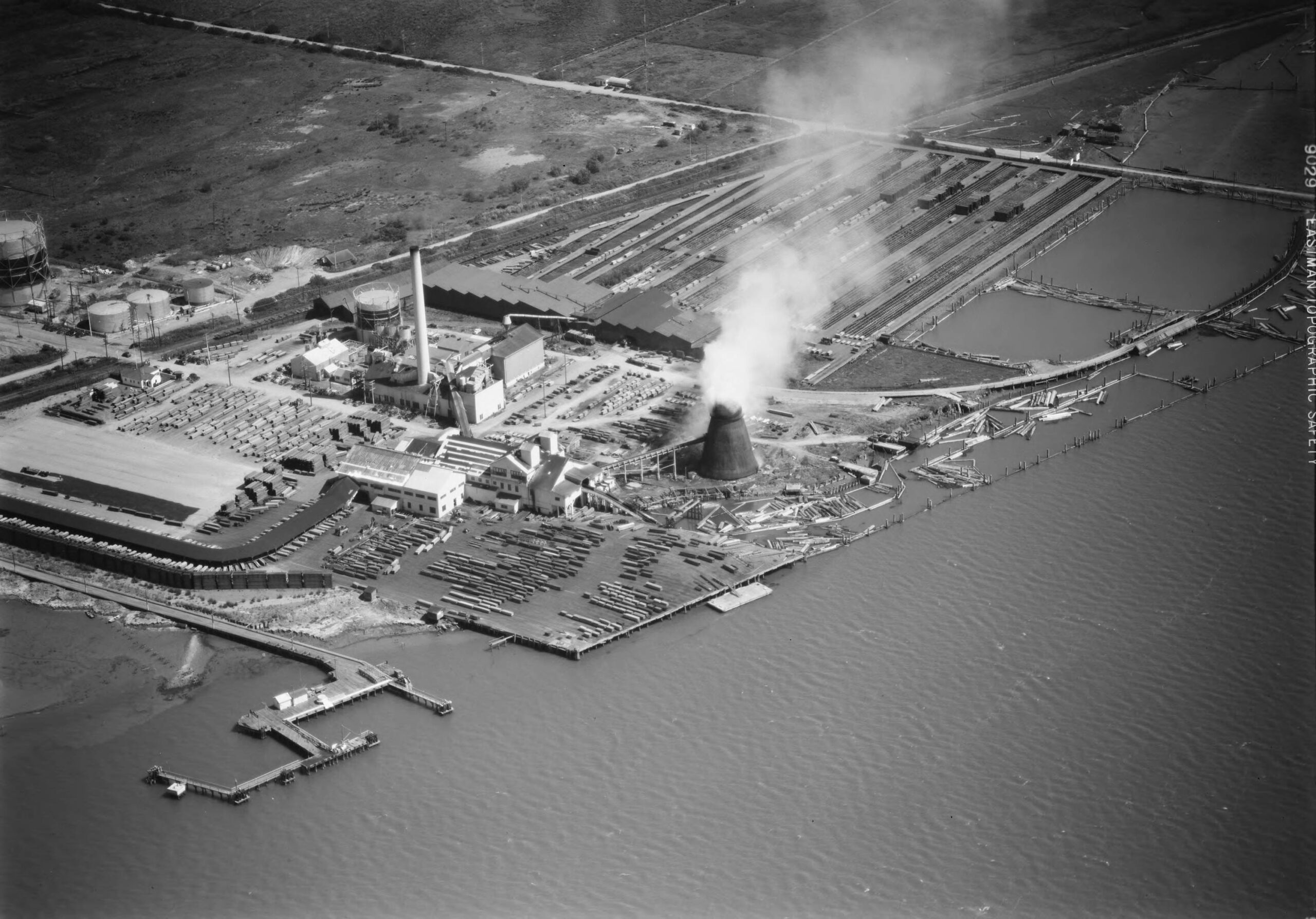
Electricity use in Humboldt County dates back to 1883, when power was first used to provide lighting at a lumber mill on Tuluwat Island in Humboldt Bay. While the use of electricity grew over the following decades, the architecture of the energy system that is in place today in the county was developed primarily in the two decades that followed World War II. During this period, the region’s timber industry grew rapidly in response to the nation’s post-war economic boom, and there was a corresponding expansion in the county’s electricity and natural gas infrastructure. Once this boom began to subside in the late 1960s, energy demand stagnated and investments in the energy system focused primarily on maintaining, rather than expanding, energy infrastructure serving the region.
Today, the energy infrastructure that serves Humboldt County is small scale, aging, and fragile. The state of this infrastructure limits prospects for economic development and clean energy deployment in the county. It also undermines the livelihoods of people in some parts of the region, as they suffer from some of the least reliable electricity service in the state.
Upgrading the region’s electrical infrastructure has become a point of interest for the State of California in the context of plans to develop offshore wind along the north coast. Wind farms offshore from Humboldt Bay have potential to contribute significantly to the state’s climate and clean energy goals, but the capacity of the existing transmission lines is much smaller than the scale of the proposed wind systems. In June of 2024, the California Independent System Operator (CAISO), which plays a leading role in electric transmission planning in the state, approved development of new transmission infrastructure with sufficient capacity to support large-scale offshore wind development in the Humboldt Wind Energy Area. The approved infrastructure was designed in a manner that could also help address some – albeit not all – of Humboldt County’s electric system capacity and reliability problems. However, development of the new infrastructure is not guaranteed. The current federal administration opposes offshore wind, and transmission projects generally face significant challenges with permitting and right-of-way acquisition.
As development of this new energy infrastructure is considered, it is crucial to have an understanding of how the proposed infrastructure fits into the history of prior investments in the county’s energy system. The “Power Behind the Redwood Curtain” provides context for the proposed transmission development and for other decisions related to the future of the Humboldt County energy system.
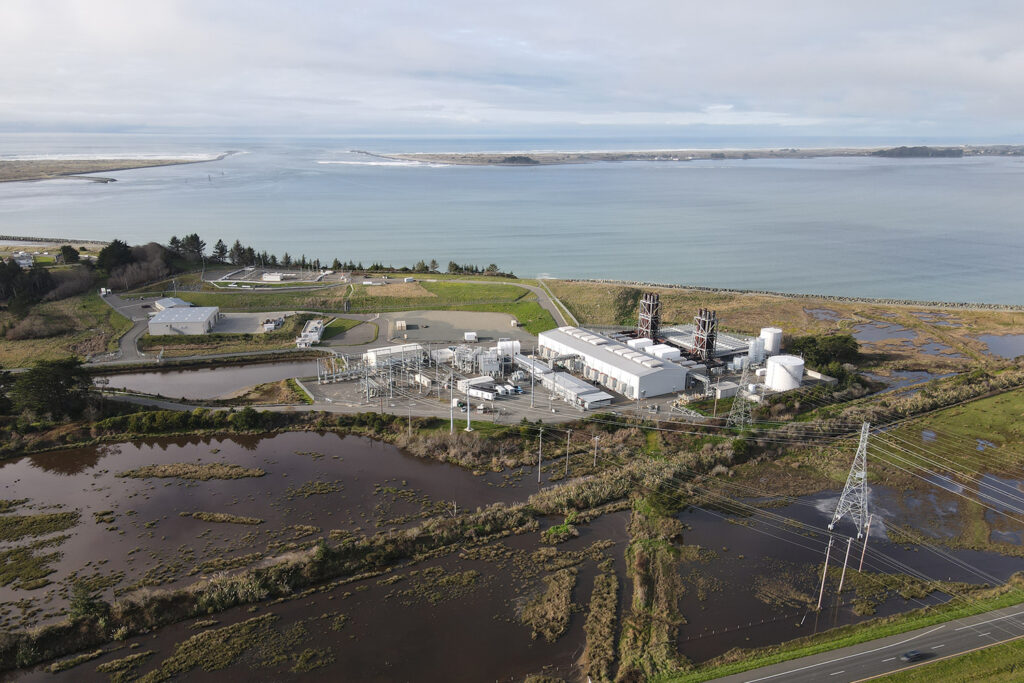
Aerial photograph of the Humboldt Bay Generating Station. Source: Arne Jacobson. Photo date: February 11, 2024
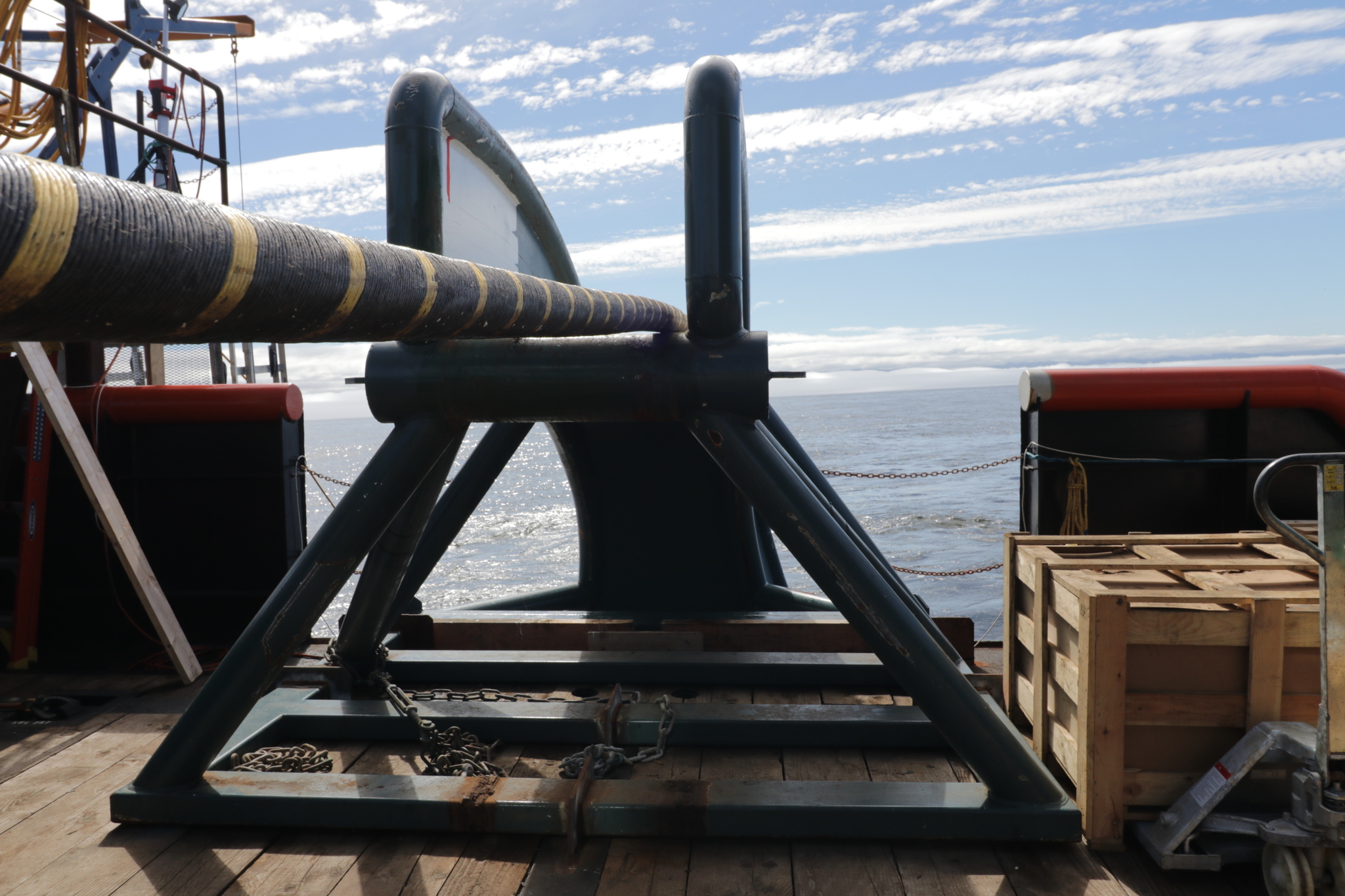
PacWave is a state-of-the-art, pre-permitted, grid-connected, wave energy test facility that is being developed in partnership with the US Department of Energy, the State of Oregon, Oregon State University (OSU) and local stakeholders. The open ocean test site consists of four berths, which occupy two square nautical miles of ocean with a cable to shore of approximately 12 miles in length (for each berth). Drilling for cable conduits began in summer 2021 and cable laying was completed in fall 2024; however, permitting and cable procurement started long before that. This webinar will describe the cabling process, including pre-installation environmental surveys and post-installation monitoring.
Presenters: Dan Hellin, the Director of the PacWave test facility and Sarah Henkel, the Associate Director of the Pacific Marine Energy Center at Oregon State University.
For questions about this webinar or to request technical or accessibility support, please contact schatzenergy@humboldt.edu or call 707-826-4345.
This webinar is being hosted by the Pacific Offshore Wind Consortium (POWC, pronounced pow-sea), which is a joint effort between three research centers: the Schatz Energy Research Center at Cal Poly Humboldt, the Pacific Marine Energy Center at Oregon State University, and the Center for Coastal Marine Sciences at Cal Poly San Luis Obispo. These universities are all housed in and supported by the coastal communities that are anticipated to host floating offshore wind development. Together, the consortium aims to advance three pillars: (i) research and innovation, (ii) university-level workforce education and professional development, and (iii) community and Tribal engagement and knowledge exchange. Learn more about the POWC here.
Additional resources
If you’d like to receive emails about our offshore wind research and details on related webinars and presentations, please send us an email at windstudies@schatzcenter.org.
Who: Everyone is invited to attend this free event!
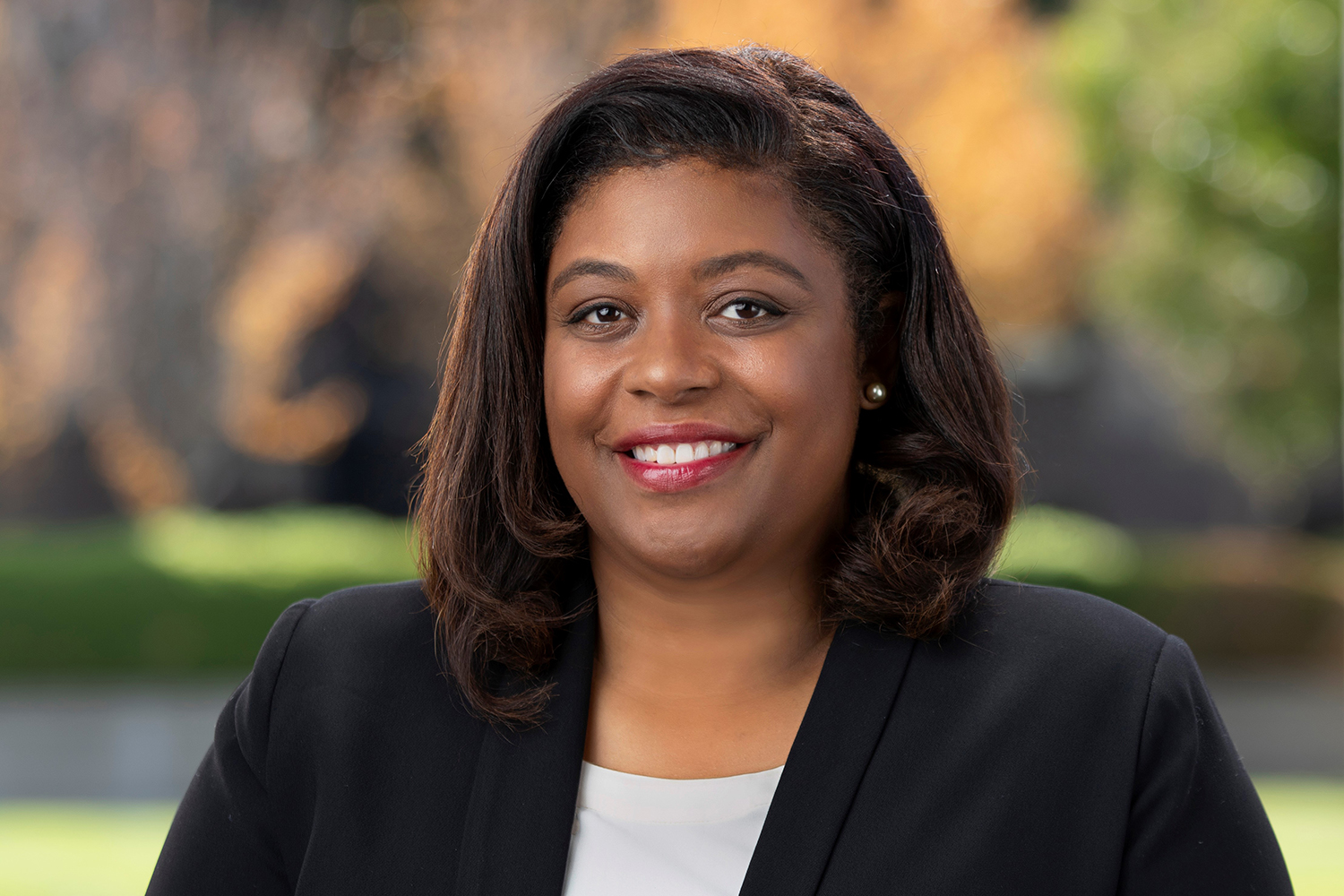
Carla J. Peterman is Executive Vice President, Corporate Affairs and Chief Sustainability Officer for PG&E Corporation. At PG&E, she oversees the company’s regulatory, legislative, sustainability, and charitable strategies. Peterman has spent her career in several senior-level government and utility roles focused on California’s clean energy future. Peterman holds a PhD in energy and resources from the University of California, Berkeley, and MS and MBA degrees from Oxford University, where she was a Rhodes Scholar.
Carla’s talk “Scaling Our Energy Future: Insights from the utility sector” will focus on how PG&E, as one of the nation’s largest electric and gas utilities, plans to scale the energy system to meet growing load and decarbonization and resiliency goals, while ensuring energy remains affordable.
This event is free and open to the public, and accessible parking is available nearby (see the BSS & Native American Forum buildings on the campus map).
Please contact us at schatzenergy@humboldt.eduor 707-826-4345 for additional accommodations or questions.
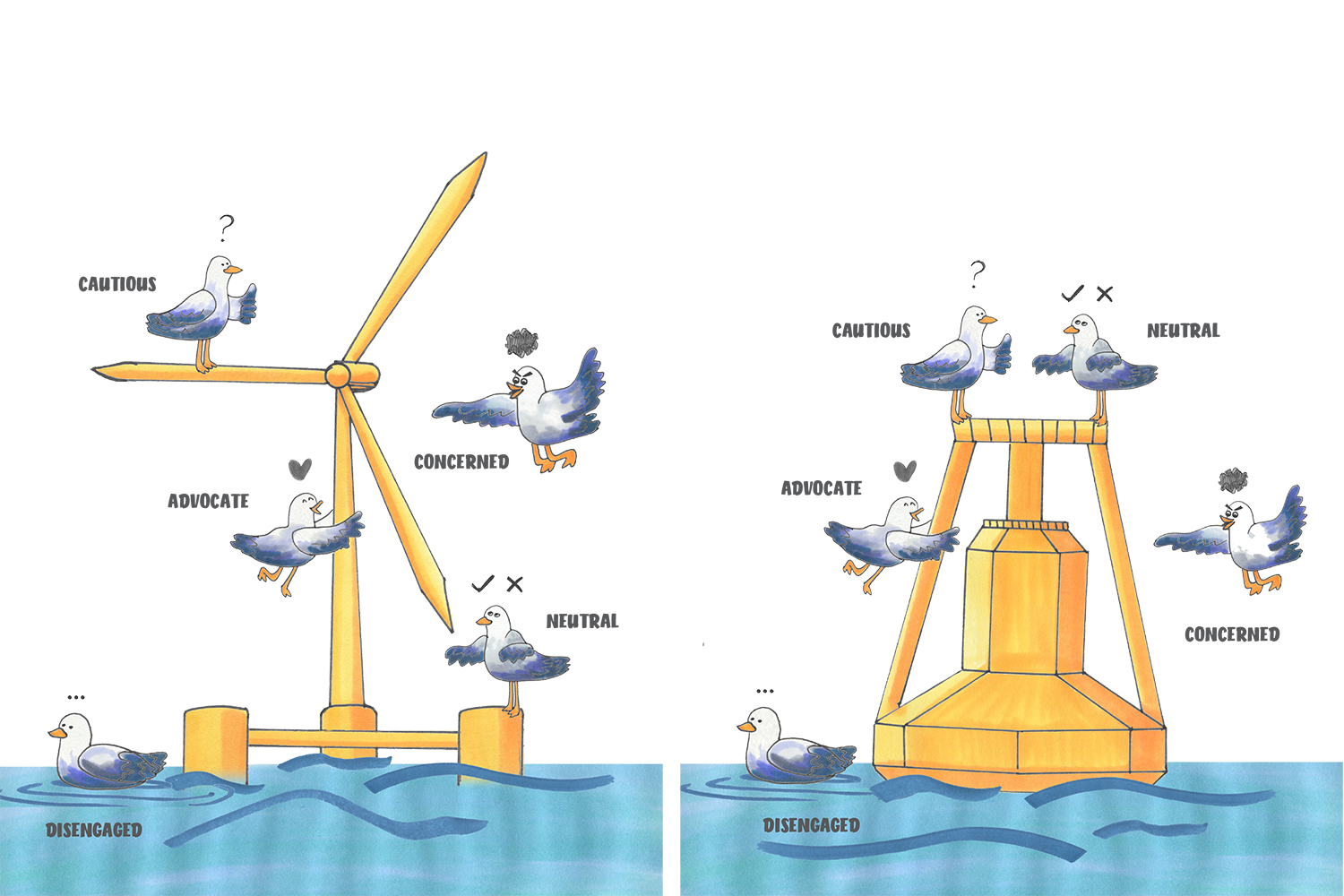
What factors influence people’s different responses to proposed offshore wind and wave energy developments – and what might the implications for future siting and permitting processes be? In this talk, Hilary Boudet and Gregory Stelmach of Oregon State University will share insights from their ongoing studies of community perspectives toward marine renewables development.
Hilary Boudet is a Professor and Director of Graduate Programs in the School of Public Policy at Oregon State University. Her research interests include environmental and energy policy, natural resource sociology, social movements, and public participation in energy and environmental decision-making. Greg Stelmach is a Postdoctoral Scholar in the School of Public Policy at Oregon State University and the Pacific Marine Energy Center.
For questions about this webinar or to request technical or accessibility support, please contact schatzenergy@humboldt.edu or call 707-826-4345.
This webinar is being hosted by the Pacific Offshore Wind Consortium (POWC, pronounced pow-sea), which is a joint effort between three research centers: the Schatz Energy Research Center at Cal Poly Humboldt, the Pacific Marine Energy Center at Oregon State University, and the Center for Coastal Marine Sciences at Cal Poly San Luis Obispo. These universities are all housed in and supported by the coastal communities that are anticipated to host floating offshore wind development. Together, the consortium aims to advance three pillars: (i) research and innovation, (ii) university-level workforce education and professional development, and (iii) community and Tribal engagement and knowledge exchange. Learn more about the POWC here.