Category: Research and program updates

  • Announcing the Donald and Andrea Tuttle Fellowship for Clean Energy Studies

    Announcing the Donald and Andrea Tuttle Fellowship for Clean Energy Studies

    The Schatz Energy Research Center is pleased to announce the Donald and Andrea Tuttle Fellowship for Clean Energy Studies at Humboldt State University. The Tuttles have established this annual fellowship as part of an effort to tackle the challenges posed by climate change, and to reduce its impacts on humanity and ecosystems. The fellowship will support graduate students in Environmental Systems who intend to research or conduct project work in renewable energy, energy efficiency, or related areas in the clean energy field.

    The Tuttle Fellowship will provide $15,000 in financial support for one academic year. The recipient is also eligible to be employed on research projects at the Schatz Center (typically, quarter-time throughout the academic year). The fellowship may be renewed once, based on performance and at the discretion of Schatz Center directors and the selection committee, for a second year of study.

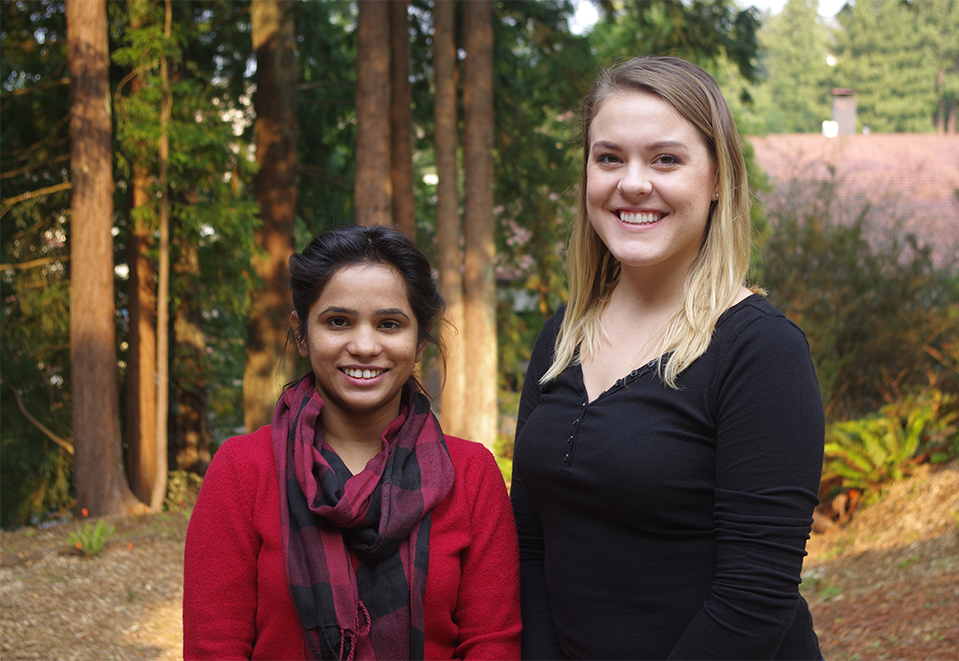
    The Tuttle joins two fellowships already associated with the Schatz Center: the Blue Lake Rancheria Fellowship for Clean Energy Studies and the Schatz Energy Fellowship. Current year fellows are working with Center projects in off-grid energy access and smart grid technologies. Jimento Aikhuele and Anamika Singh are involved with the Center’s quality assurance project on solar system installations at public facilities in Nigeria and Niger; Aikhuele’s associated thesis is on the use of renewable energy technologies to prevent maternal and infant fatality. Steven Shoemaker is conducting a benefits analysis of the recently deployed Blue Lake Rancheria microgrid, which was recognized this fall by the US Federal Emergency Management Agency for energy resiliency, while Thalia Quinn is working on the Center’s new “Solar+” distributed generation project.

    Hailing from around the globe, Schatz fellows cite the Center’s unique blend of technology and policy, and bring with them a commitment to social justice and environmental health. Before coming to the Schatz Center, Singh worked for the Bureau of Energy Efficiency, Ministry of Power, in India. “I want to contribute to providing energy access to those 1.2 billion people who are living a life without energy, through renewable energy technology… until you can provide them with basic facilities, development will not come.”

    All graduate student applicants in the Environmental Resources Engineering (ERE) and Energy Technology and Policy (ETaP) pathways of the Environmental Systems program are eligible for fellowship consideration. February 1 is the annual application deadline for admission into the graduate program at Humboldt State. For more information, visit schatzcenter.org/fellowships, email serc@humboldt.edu, or call (707) 826-4345.

  • A Quality Assurance Framework for Solar System Installations at Public Facilities in West Africa

    A Quality Assurance Framework for Solar System Installations at Public Facilities in West Africa

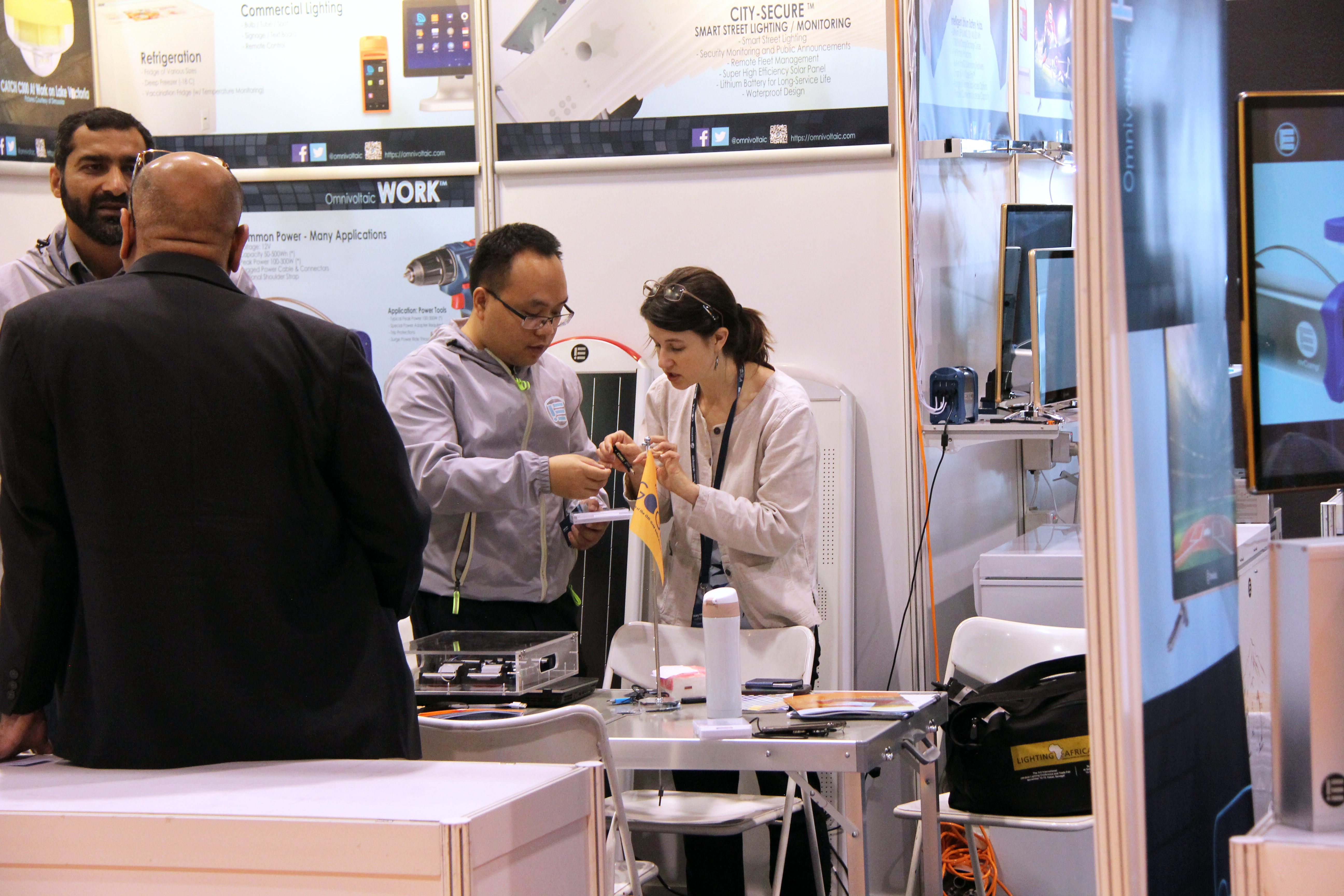
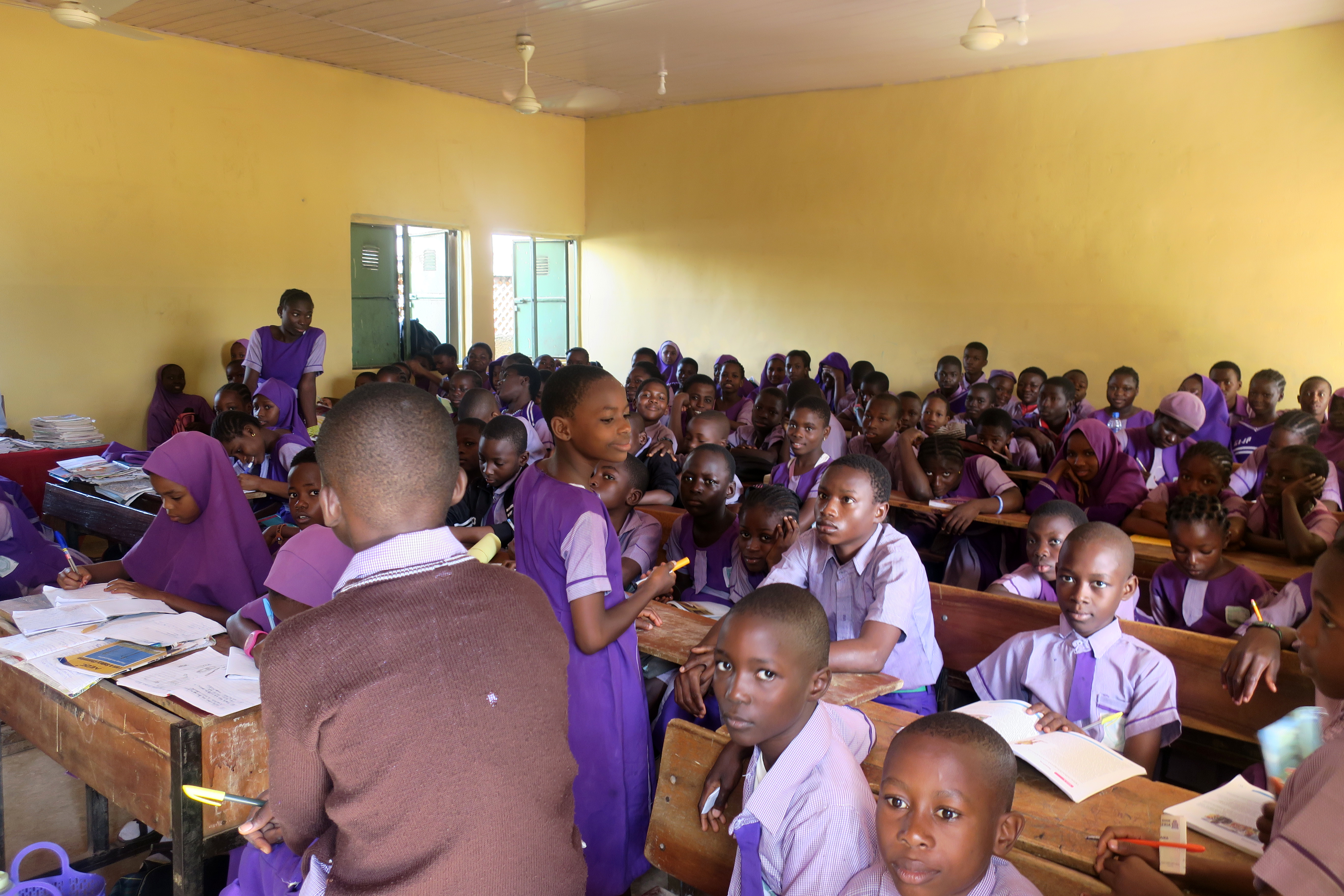
    The Schatz Center and the ECOWAS Centre for Renewable Energy and Energy Efficiency (ECREEE), with support from the World Bank through their Lighting Africa program, are working collaboratively with government partners in Nigeria and Niger to develop a new approach for the procurement, installation, and long-term maintenance of off-grid solar electricity systems at public facilities, such as health clinics, schools, police posts, public offices, and water pumps.

    Off-grid solar systems offer the promise of clean, renewable electricity for public facilities. However, historically, there has been a high failure rate for these systems in many countries, often caused by poor quality design and installation, or lack of maintenance and good operational practices following installation even when initially high quality system components are installed.

    The proposed new approach involves the innovative use of digital remote monitoring technology, along with quality standards for equipment, design, and installation, to ensure and verify the ongoing performance of off-grid solar electricity systems. Under such an approach, companies in the off-grid solar sector could enter lease agreements or extended service contracts with government agencies to provide an agreed-upon level of electricity service in return for guaranteed monthly payments. The payments could be designed to cover the capital costs of equipment and installation (or a percentage of these costs), along with the ongoing operation and maintenance costs over the projected system life. By digitally monitoring the performance of the systems, a third-party could verify that the service provider is delivering the agreed electrical service and instruct the government agency to pay the monthly fee. Spreading the cost of the systems over many years and keeping service providers engaged is expected to improve the long-term performance of the systems.

    Over the next two years, the proposed approach will be developed, evaluated, and revised through research and deployment of approximately fifteen pilot systems in Nigeria and fifteen pilot systems in Niger. Our main role in this effort is to develop the quality assurance framework that serves as the basis for the approach. This includes determining a standard for service delivery that can be used to verify that the system’s performance matches contractually specified targets. Our staff will conduct site visits, provide technical designs for the thirty pilot systems, and verify system performance for the first six months. Support for this effort is provided by the World Bank Group’s Lighting Africa Program.

    To kickoff the project this September, three team members visited sites in Niger and Nigeria to gather initial information about health clinics, schools and other public facilities. Chris Carlsen, a Center alumna and current consultant, met with officials in Niger and visited several communities to understand the country’s existing infrastructure. Jimento Aikhuele, a Schatz Energy graduate fellow originally from Nigeria, and Olakunle Owoeye, a Center consultant, met Chris in Nigeria to scope out potential sites for pilot installations and learn about the energy needs of the various facilities. The team also visited sites with existing solar installations to gain insight into why well-intentioned solar systems so often fail. Our initial work in the field was fruitful thanks to the indispensable support of ECREEE, the Ministries of Energy, Health and Secondary Education of Niger, and the Ministry of Power, Works and Housing of Nigeria.

    Back at the Schatz Center, we have been hard at work reviewing existing standards and determining appropriate requirements to include in the quality assurance framework. This work dovetails with projects we’ve conducted in the past, including the ongoing development and co-management of the Lighting Global Quality Assurance program. We are looking forward to heading back into the field to gather more information before finalizing a draft of the framework and providing recommended designs for the pilot installations next spring.

  • Sustainable Futures Speaker Series: Scaling up renewable power in Humboldt County – Nov 9

    Join us on Thursday, November 9 at 5:30 pm in Founders Hall 118 for the final session in this semester’s Sustainable Futures Speaker Series. A panel of energy experts will explore the opportunities and challenges of scaling up renewable power in Humboldt County, through questions such as:

    • If we want to support expanded use of renewable energy, should we prioritize purchasing low cost renewable power from outside the area or generating renewable power locally?
    • How might our relative isolation impact the sale of locally generated renewable energy to the Western grid?
    • How do we balance our critical need for rural resilience with investment in renewable sources such as wind and solar?
    • To what extent is our local grid infrastructure ready to support distributed generation?

    Moderator Arne Jacobson (Director, Schatz Energy Research Center) will be joined by Matthew Marshall (Executive Director, Redwood Coast Energy Authority), Antoine Peiffer (Lead Engineer, Principle Power), Jon Stallman (Integrated Grid Planner, Pacific Gas & Electric) and Dave Carter (Managing Research Engineer, Schatz Center) for this forward-looking discussion about clean energy strategies for the north coast.

    This speaker series is intended to stimulate cross-disciplinary discussion, debate, and collaboration around issues related to energy, the environment, and society. The series is sponsored by the Schatz Center, the Environment & Community Graduate Program, and the College of Arts, Humanities & Social Sciences at Humboldt State University. For details on upcoming events or to request accessibility accommodations, email serc@humboldt.edu or call (707) 826-4345.

  • Solar Plus: Improving Performance in Distributed Clean Energy Systems

    Solar Plus: Improving Performance in Distributed Clean Energy Systems

    This fall, we are kicking off a new “Solar Plus” (Solar+) project to investigate how real-time coordination between clean energy systems can yield performance improvements that benefit both building owners and utility operations. Research and development over the past decade has successfully reduced the cost of solar arrays, batteries, building controls, and electric vehicles. Many of the emerging challenges we now face are related to the large-scale deployment and integration of distributed clean energy components. For example, electrical distribution circuit capacity is limited (in order to prevent power lines from overheating), which in turn limits the downline capacity of distributed generation systems. This Solar+ project will develop control strategies to coordinate onsite resources to reduce their combined footprint on the power system, effectively increasing the capacity of the grid to host clean energy technology.

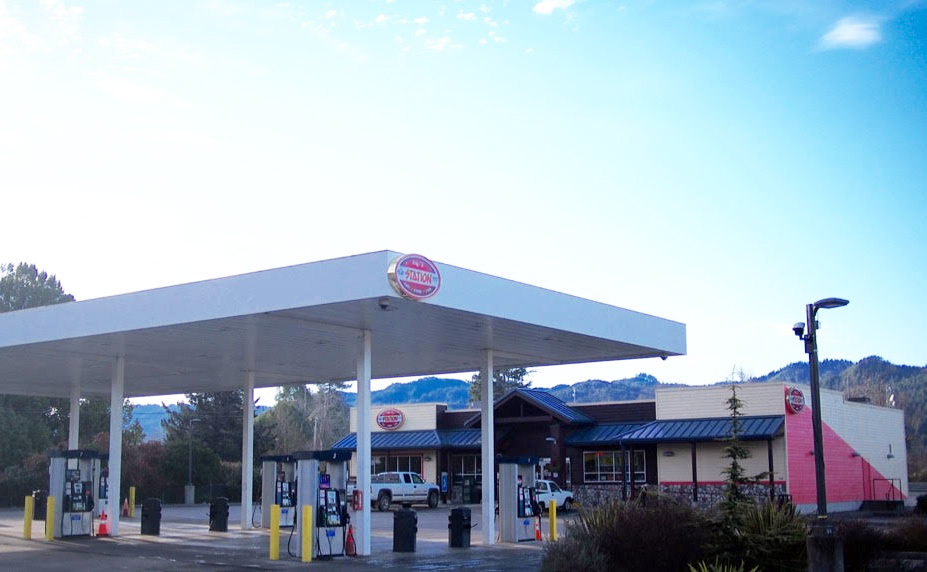
    Our pilot site is a gas station and convenience store at the Blue Lake Rancheria (BLR) in Blue Lake, California. Convenience stores typically have sizable loads, including HVAC and refrigeration, which require backup power. Many of the sites also have significant potential to host rooftop solar. By working with a very common building type (there are 12,000 convenience stores in California alone), we can design with replication in mind.

    Over the next two and a half years we will design and install a Solar+ system at the BLR and measure the value of distributed energy coordination. Our project will develop: (1) a hardware design guide for integrated Solar+ packages, (2) open-source software for controlling the technology, and (3) guidelines to determine the best locations for investment, given local insolation and onsite potential for system coordination. Our outcomes will be focused on integrating solar, batteries, and advanced building controls into packages that are market ready and can make positive impacts on the future trajectory of California’s built environment.

    This project is funded by the California Energy Commission through the Electric Program Investment Charge (EPIC) program. Our key partners are the Blue Lake Rancheria, which owns the gas station, and Lawrence Berkeley National Lab, where a team of researchers is developing open-source “Solar+ Optimizer” software.

    Project partners also include Southern California Edison, whose refrigeration system test center data is helping us to develop algorithms, and Pacific Gas & Electric, the local energy utility.

  • Director’s Note: October 2017

    The past year has been a very productive one for the Schatz Center, and I am grateful for all the good work that our team and partners have done to turn opportunities into successes.

    I want to give special acknowledgement to everyone involved in the development and implementation of the Blue Lake Rancheria (BLR) Low-Carbon Community Scale Microgrid. The BLR Microgrid Project was funded by the California Energy Commission, with project leadership by the Schatz Center’s Dr. Peter Lehman (Principal Investigator), Dave Carter (project manager), and Jim Zoellick (co-project manager), in collaboration with the Blue Lake Rancheria’s Tribal Government and many technical partners.

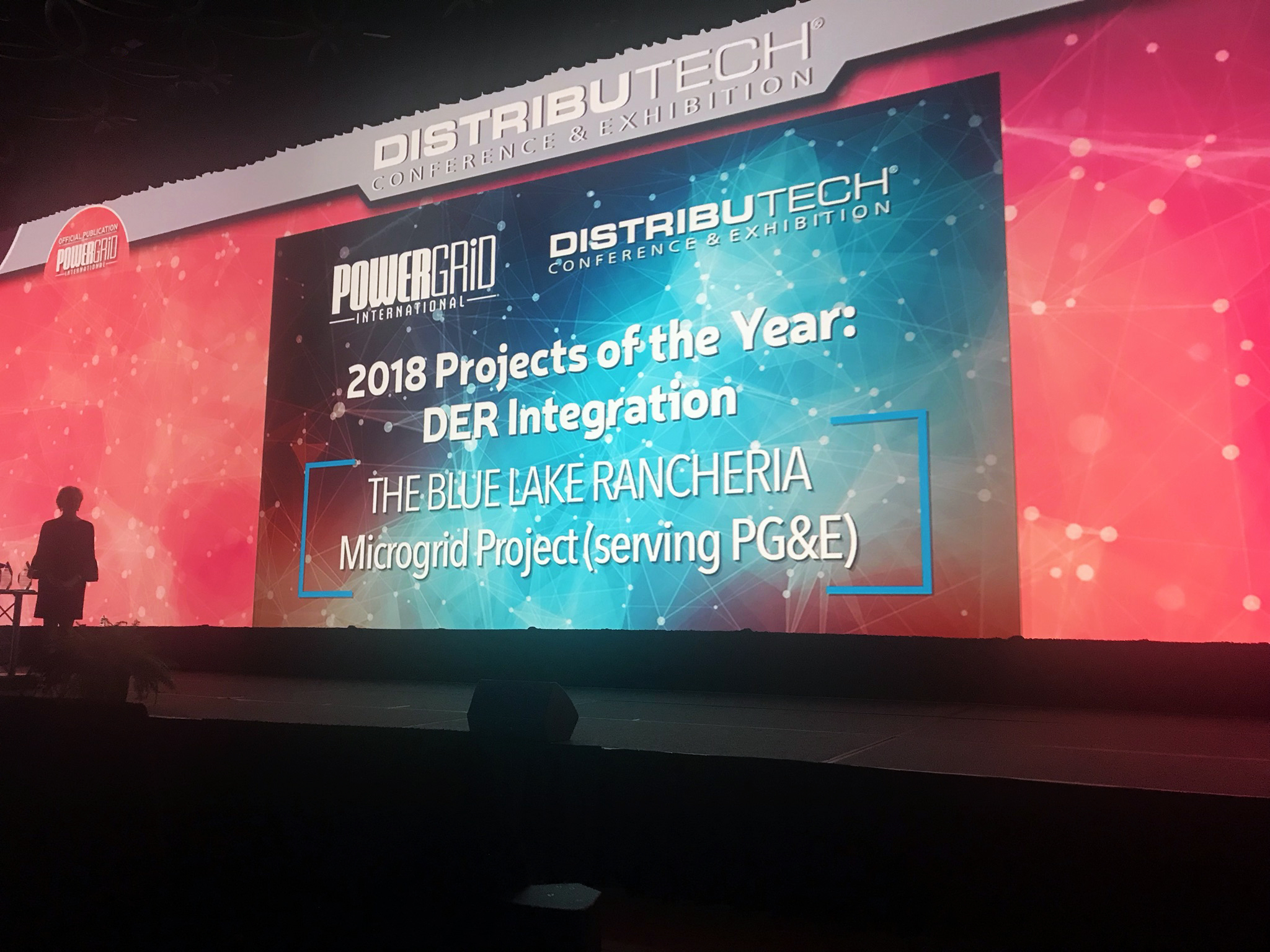
    This microgrid project is now a finalist for two award competitions, including the 2017 Platts Global Energy Awards (one of six finalists for the Commercial Application of the Year; the winners will be announced in New York City on December 7) and the Pennwell Projects of the Year Awards (one of three finalists for Best Renewable Project; the winners will be announced in Las Vegas on December 5). In addition, the Blue Lake Rancheria recently received the John D. Solomon Whole Community Preparedness award from the Federal Emergency Management Agency (FEMA), for which the microgrid was a contributing factor leading to the award. I congratulate the Rancheria, our team, and our partners for all their success so far, and my fingers are crossed for even more good news in December.

    I would also like to discuss three key investments that we have been making to lay the foundation for future contributions to clean energy research and development. First, our success at the Schatz Center depends on the efforts and expertise of our faculty and professional staff. We have a talented and experienced team, and, over the past year, we have been fortunate to attract several key new members. On this front, I am pleased to announce that Dr. Nick Lam will be joining us soon as a Schatz Center Research Scientist. Nick specializes in energy access, indoor air quality, and environmental health, and he will play a leading role on our off-grid energy access team. He has a Ph.D. in Environmental Health Sciences from U.C. Berkeley, and he is currently working as a post-doctoral research scholar at the University of Illinois at Urbana-Champaign. We are excited to welcome Nick to the Schatz Center.

    In addition, we hired Maia Cheli this past March for a newly created position that includes media relations and coordination of the Schatz Center’s educational programs. Since joining, she has led an effort to revamp our website and expand our portfolio of public relations materials. Early next year, after the new website has gone live, she will turn some of her attention to development and implementation of our Center’s education and outreach activities. We are very happy to have Maia on our team, and we have already benefited greatly from her expertise and hard work.

    Among faculty associated with the Center, Dr. Liza Boyle and Dr. Peter Alstone joined us in August 2016, and both are already making substantive contributions. Liza has engaged in proposal development and in research related to the effect of particulate deposition on solar arrays, including work with an engineering undergraduate student, Merissa Coello, that will lead to a journal publication. Peter has been involved in research on innovative new strategies for management of California’s electric grid. Peter is also the team lead for a new $1.5 million project funded by the California Energy Commission (CEC) through their Solar+ program. Dr. Kevin Fingerman, who joined us in 2013, is the lead for a new $1 million CEC-funded project that involves developing tools for assessing the environmental impacts and benefits of biomass power plants in California. We are also very happy to welcome Dr. Sintana Vergara, who joined the Environmental Resources Engineering Department as an Assistant Professor this August and is already working with the Schatz Center team on a proposal for research involving measurement of methane emissions from biomass energy operations. As Director, it is exciting to see the growing contributions of new members as they work together with our existing team.

    Second, we continue to expand opportunities for students at the Schatz Center. Since last fall, we have had 13 students working in paid positions and seven students supporting our efforts as volunteer docents. I would like to give a special welcome to students who have joined in the past few months, including undergraduates Bryce Baker, Jo Caminiti, Merissa Coello, Benjamin Kees Goldberg, Matilda Kerwin, Michael Malone, Murielle Manka, Eli Wallach, and Richard Williams, and graduate students Max Blasdel, Thalia Quinn, and Anamika Singh. Thalia and Anamika deserve special mention, as they are this year’s recipients of the Schatz Energy Fellowship and the Blue Lake Rancheria Fellowship for Clean Energy Studies, respectively.

    I am pleased to announce that Andrea and Don Tuttle of Arcata are establishing the Donald and Andrea Tuttle Fellowship for Clean Energy Studies. This fellowship will provide $15,000 in funding to one incoming graduate student per year in the Energy Technology and Policy (ETaP) or Environmental Resources Engineering (ERE) options of the Environmental Systems Graduate Program. The fellowship is for one year with the potential to renew for a second year. The selected fellow will also receive a position to work at the Schatz Energy Research Center. Our heartfelt thanks go to Don and Andrea for their generous gift. At the Schatz Center, we are committed to expanding opportunities for students in the clean energy field as we work to develop a new generation of leaders, and support from partners like Andrea and Don Tuttle and the Blue Lake Rancheria help us greatly in making progress toward this goal.

    Our third investment has been in a new 1,900 square foot “West Wing” addition, built to accommodate our growing staff and capabilities. Construction of the building is nearly complete, and we expect to move in by early December. The new facility will provide us with 14 new work stations, two offices, and a much needed second conference room. We are grateful for the generous support from Louis W. Schatz, Anne and David Katz, Peter and Carolyn Lehman, Christina and Jack West, Jamie Everett, and Joel Lehman, and grant funding from the California Energy Commission, who together made this project possible.

    We are thankful to HSU Facilities Management (especially Mike Fisher and Garrett McSorley), Suarez-Kuehne Architecture, Adams Commercial General Contracting, and the many local contractors who made professional contributions to this project. Our new addition is a beautiful building that is well matched to our existing facility in both function and form, and we are excited to move in and get to work in it.

    Goodbye until next time.

  • Schatz History: the Trinidad photovoltaic array

    Schatz History: the Trinidad photovoltaic array

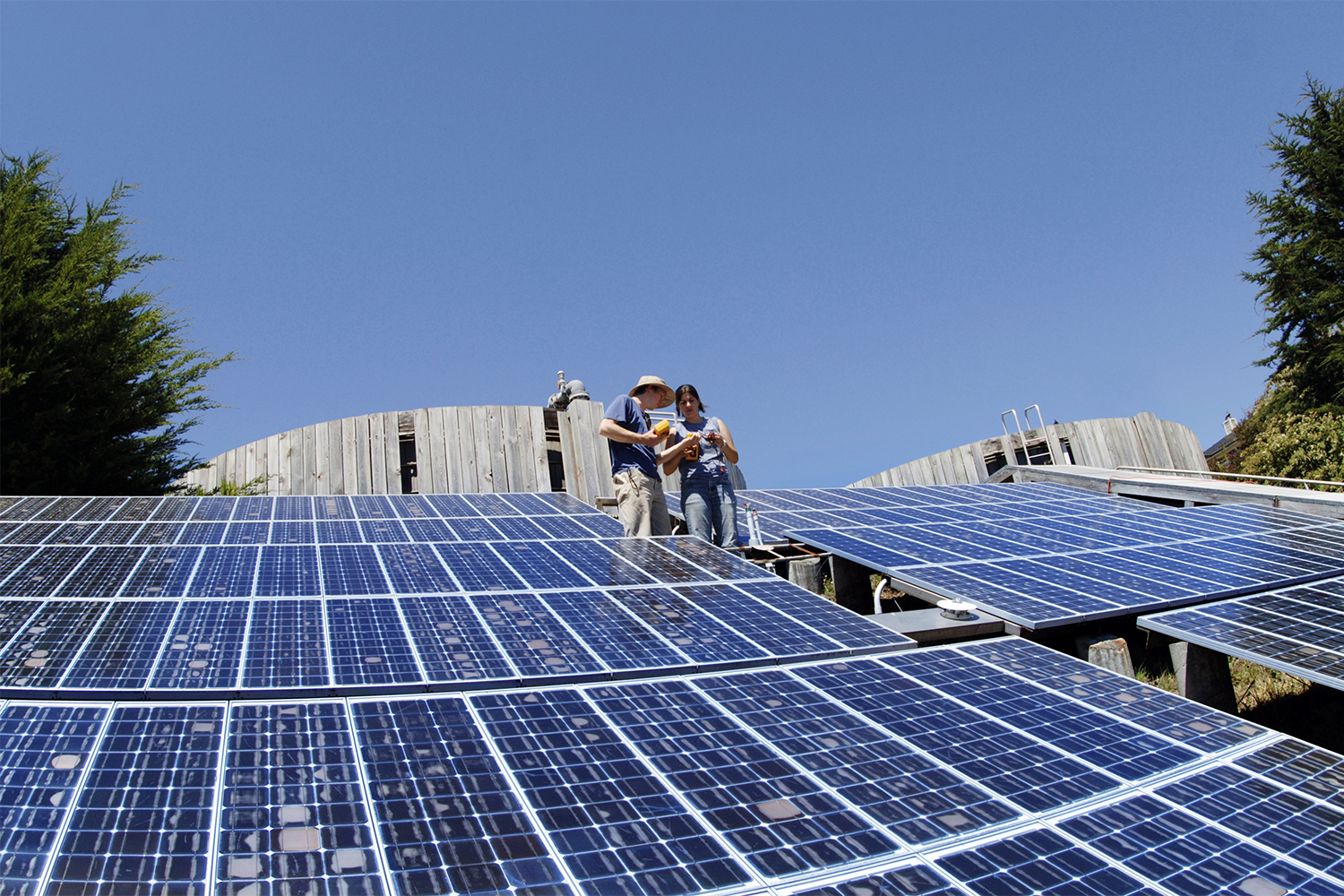
    From 1990 through 2016, a 9.2kW photovoltaic (PV) array located at the Humboldt State Telonicher Marine Laboratory in Trinidad, CA powered the Schatz Solar Hydrogen Project. This array provided the energy to aerate the Marine Laboratory aquaria either directly or indirectly through a Teledyne Energy Systems ALTUS™ 20 electrolyzer that produced hydrogen fuel for a proton exchange membrane fuel cell.

    Located ~150 meters from the Pacific Ocean in a cool, marine climate, the array consisted of 192 ARCO M75 modules made with single-crystal silicon and rated at 48W. Prior to array installation in 1990, Jim Zoellick measured the current-voltage (I-V) curves for each module and discovered that even when new, the average peak power under full solar illumination at normal operating cell temperature was 39.9W – 14% below the 46.4W nameplate rating.

    After 11 years of field exposure, Antonio Reis and Nate Coleman retested each module’s I-V curve in 2001 and found that the average peak power had fallen by 4.3% to 38.1W. They attributed the drop in performance to visually observable defects in the modules, especially the delamination of the modules’ ethylene vinyl acetate (EVA) encapsulant, leading to shading and corrosion of the cells and the occurrence of localized hot spots.

    After 20 years of service, Marc Marshall, Mark Rocheleau, and Scott Rommel again retested each module’s I-V curve in 2010, and found that the average peak power had fallen an additional 12.4% to 33.4W and that the variation among the modules had dramatically increased.

    After over 26 years of field service, the array was decommissioned in 2016. All of the 192 modules were removed and tested one last time by Jacob Rada, a M.S. candidate working at SERC. He found that the average peak power had fallen 22% since 1990, with an average degradation rate of 0.85%/yr, and that the variation among the modules had increased further since 2010. Each original module was discolored and showed some degree of delamination.

    Having now been individually tested four times over 26 years, these are some of the oldest carefully monitored solar modules from a working array. Of the original 192 models, 188 modules were still in service after 26 years. One module was damaged in 1996 and was replaced with a module of similar size and performance characteristics. Three other modules were later replaced due to physical damage.

    In the coming year, we will be hanging seven of the modules with their corresponding I-V curve data in the staircase of our main building, as a celebration of our Center’s first project and as a teaching tool for university students and visitors.

  • Blue Lake Rancheria Microgrid: project update

    Blue Lake Rancheria Microgrid: project update

    The Blue Lake Rancheria (BLR) renewable energy microgrid received full permission to connect to the Pacific Gas & Electric grid on July 28, 2017. Designed and implemented by a team led by the Schatz Energy Research Center at Humboldt State University, this new microgrid powers critical infrastructure for the BLR tribal community and the Humboldt County region.

    A microgrid is an independent power generation and management system which can operate both while connected to (parallel) or disconnected from (islanded) the electric power grid. In the event of a power outage, a microgrid enters islanded mode and balances all power generation and electrical loads independent of the utility.

    The BLR microgrid breaks new ground in its seamless transition between grid-paralleled and grid-islanded states and by demonstrating stable islanded operation with a high percentage of renewable energy.

    This project heralds the first deployment of the Siemens Spectrum 7 based microgrid management system (MGMS) and the first multi-inverter Tesla battery energy storage system (BESS) utilized in a microgrid application. The MGMS and the BESS were integrated using foundational relay control programming developed at the Schatz Center.

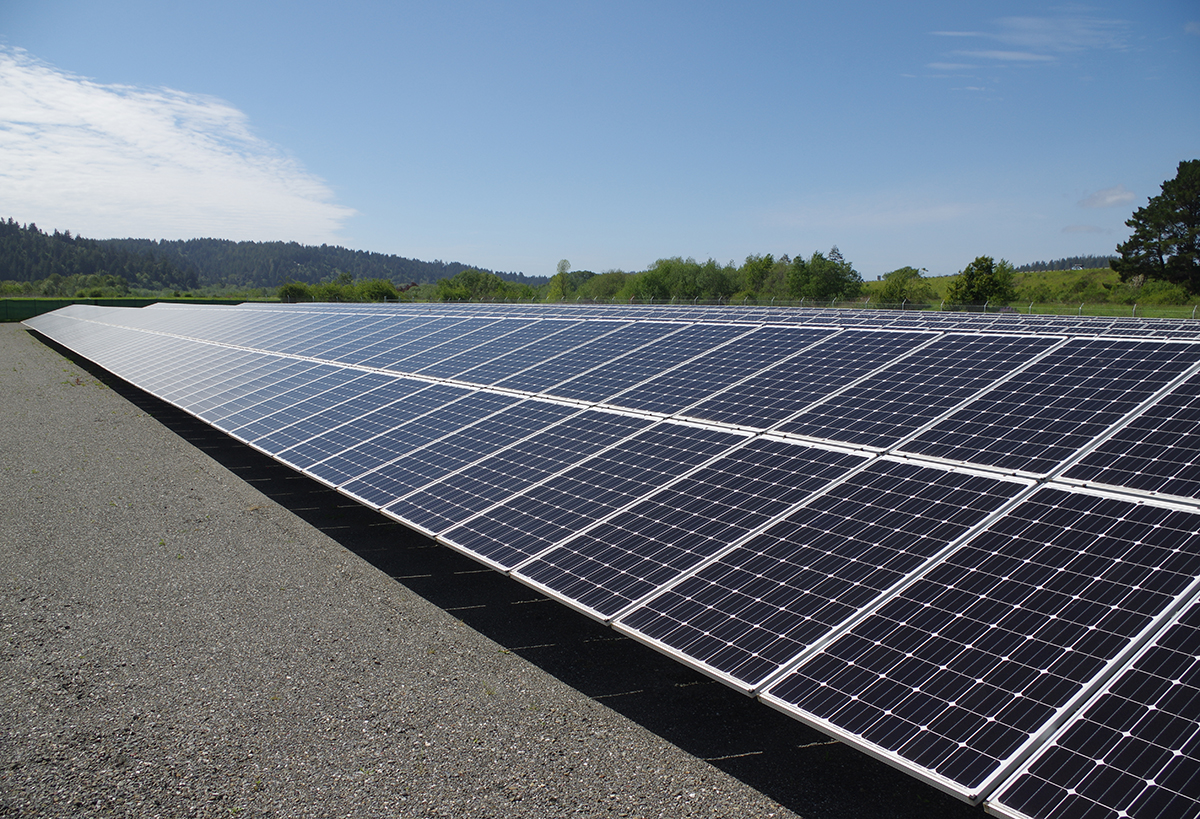
    At 420 kWAC, the Rancheria’s PV array is also the largest installed in Humboldt County. The BLR microgrid has a total of 1.92 MW of generation capacity, including the PV array, a 500 kW, 950 kWh Lithium-ion Tesla battery, and a legacy 1.0 MW backup diesel generator.

    The microgrid powers numerous building and facility loads, including heating, ventilation and cooling; lighting; water and wastewater systems; communications; food production and storage; and transportation. The BLR green commuter program and electric vehicle infrastructure for the tribal government fleet are supported by the microgrid.

    The BLR campus has also been certified to serve as an American Red Cross emergency shelter. The microgrid can maintain stable electricity for the shelter during extreme natural events such as an earthquake, tsunami, flood or wildfire. During an extended grid outage, the Rancheria can designate and shed non-critical energy loads as needed.

    By coupling renewable generation with battery storage, the BLR microgrid achieves significant reductions in both utility cost and greenhouse gas emissions. The microgrid is now saving the Blue Lake Rancheria $250,000 annually and has allowed the Rancheria to increase tribal employment by 10% with new clean energy jobs.

    The Blue Lake Rancheria microgrid was developed through funding from the California Energy Commission’s EPIC program. Major partners on this project included Pacific Gas & Electric, Siemens, Tesla Energy, Idaho National Laboratory, GHD Inc., Colburn Electric, REC Solar, and Kernen Construction.

    • For more information about the Blue Lake Rancheria microgrid and upcoming projects at the Schatz Energy Research Center, call (707) 822-4345 or email serc@humboldt.edu.

    • For more information about Blue Lake Rancheria’s sustainability and green energy initiatives, please email info@bluelakerancheria-nsn.gov.

  • California Biopower Impact Project: creating a Life Cycle Assessment for bioenergy systems

    The Schatz Center recently began work on the California Biopower Impact (CBI) Project, supported by a three-year $1,000,000 grant from the California Energy Commission. Our project will investigate the impacts associated with utilization of forest-derived woody biomass and agricultural residues for electricity generation. If managed properly, bioenergy could support sustainable forest management activities while also advancing California’s Renewables Portfolio Standard goals. However, there are also legitimate concerns surrounding the climate, air quality, soil fertility, and ecosystem health implications of improperly managed bioenergy systems. Before biomass energy can be responsibly pursued as a means to achieve forest management and renewable energy goals, additional research is needed to firmly establish the climate impact and broader environmental performance of forest and agricultural bioenergy.

    Our central effort under the CBI Project will be the creation of a Life Cycle Assessment (LCA) greenhouse gas emissions accounting tool that will allow stakeholders in California to evaluate the impacts of different bioenergy policy and technology pathways in the state. Along with greenhouse gas balances, the project team will address additional critical environmental impacts that can be associated with bioenergy – including altered risk or severity of wildfire, soil fertility and carbon stock reduction, changes to air quality, and potential impact on habitats and biodiversity.

    Key study areas and outputs:

    • Assessment and mapping of net recoverable biomass that could be utilized for electricity generation. This analysis will focus on agricultural residues as well as forestry residues and fire reduction thinning material per the California Governor’s state of emergency brought on by the record numbers of drought and beetle- killed trees in the Sierra Nevada range.
    • Conduct a landscape-level probabilistic assessment of the fire risk implications of sustainable forest harvesting. Fire behavior under future climate scenarios will be simulated using the Pacific Northwest variant of the USDA Forest Vegetation Simulator (FVS) in combination with the Fires and Fuels Extension and Climate Extension modules.
    • Develop and demonstrate the California Residual Biomass-to-electricity Carbon Accounting Tool (CaRBCAT). This tool will improve on existing frameworks representing California’s unique bioeconomy context, offering improved spatial resolution, rigorously characterizing uncertainty, and offering a high degree of specification regarding supply chain characteristics. Users will be able to specify harvest practices, feedstock collection and handling methods, post-harvest treatments, feedstock management pathways, conversion technologies, and other characteristics.
    • Characterize and report on key environmental impacts of residual biomass mobilization such as changes to soil nutrient balance and carbon stock, air quality effects from altered black carbon and criteria air pollutant emission profiles, and impacts to biodiversity.
    • Assess potential to offset some harvest and supply chain costs through payments for ecosystem services and similar environmental market schemes.
    • Identify best management practices to improve bioelectricity system net GHG balance as well as to optimize performance with respect to fire risk, soil health, air quality, and habitat conservation. Develop and disseminate science-based policy recommendations that support implementation of these practices in bioelectricity supply chains.
  • Schatz Center “West Wing” Nears Completion

    Schatz Center “West Wing” Nears Completion

    Construction of the Schatz Center’s new “West Wing” is nearing completion. The 1900 square foot single-story building was designed by Suarez Kuehne Architecture of San Francisco, and is being built by Adams Commercial General Contracting of Eureka. The new addition is located immediately west of the current Schatz office building and lab.

    The $1.04M facility will include fourteen workstations for professional staff and student research assistants, two faculty offices, and a conference room that can accommodate 8-10 people. The West Wing matches our current building’s design, with features including a standing seam metal roof, redwood siding and stucco, and large windows to provide generous daylighting.

    The exterior is complete. Inside, the wiring, lighting, drywall, and painting are done, and the carpet and Marmoleum™ flooring have been installed. Desks, cabinets, and other furnishings have been ordered. Schatz staff anticipate moving into the new space by early November.

  • Microgrid Feasibility Study for UCSC

    The Schatz Center is working with GHD, an international engineering firm, to conduct a microgrid feasibility study for the University of California, Santa Cruz (UCSC). The study is focused on a former semi-conductor manufacturing facility that was acquired by UCSC and is being converted to offices and research lab space. UCSC wants to install a microgrid with renewable energy generating capacity of 2 to 4 Megawatts, allowing the facility to island and operate independently of the Pacific Gas & Electric grid as well as parallel with and provide support to PG&E’s grid in Santa Cruz. Another important objective is to use the microgrid as a teaching and learning laboratory by including both commercially mature and emerging/experimental technologies as well as advanced supervisory control and data acquisition systems.

    The study includes:

    • evaluating microgrid technologies,
    • assessing space requirements for generation and storage technologies,
    • developing a design load profile for full occupancy,
    • selection of recommended technologies,
    • developing a site plan and one line diagram,
    • estimating construction costs,
    • evaluating interconnection requirements/constraints,
    • developing an implementation plan including potential funding sources,
    • identifying educational curriculum opportunities, and
    • evaluating how to connect the facility with the adjacent UCSC Coastal Sciences Campus to create one large microgrid that could support both of these facilities.

    This project is currently active and scheduled to be completed by the end of 2017. The project is funded by the UC Regents.