Author: Mark Severy

  • Visit from the Agricultural Research Institute

    Visit from the Agricultural Research Institute

    On April 9, the Schatz Center hosted a session during the Agricultural Research Institute’s (ARI) 2019 Logistics Meeting. The ARI, which supports applied agricultural and natural resource research within the California State University (CSU) system, has funded several projects at the Schatz Center related to bioenergy and forestry practices.

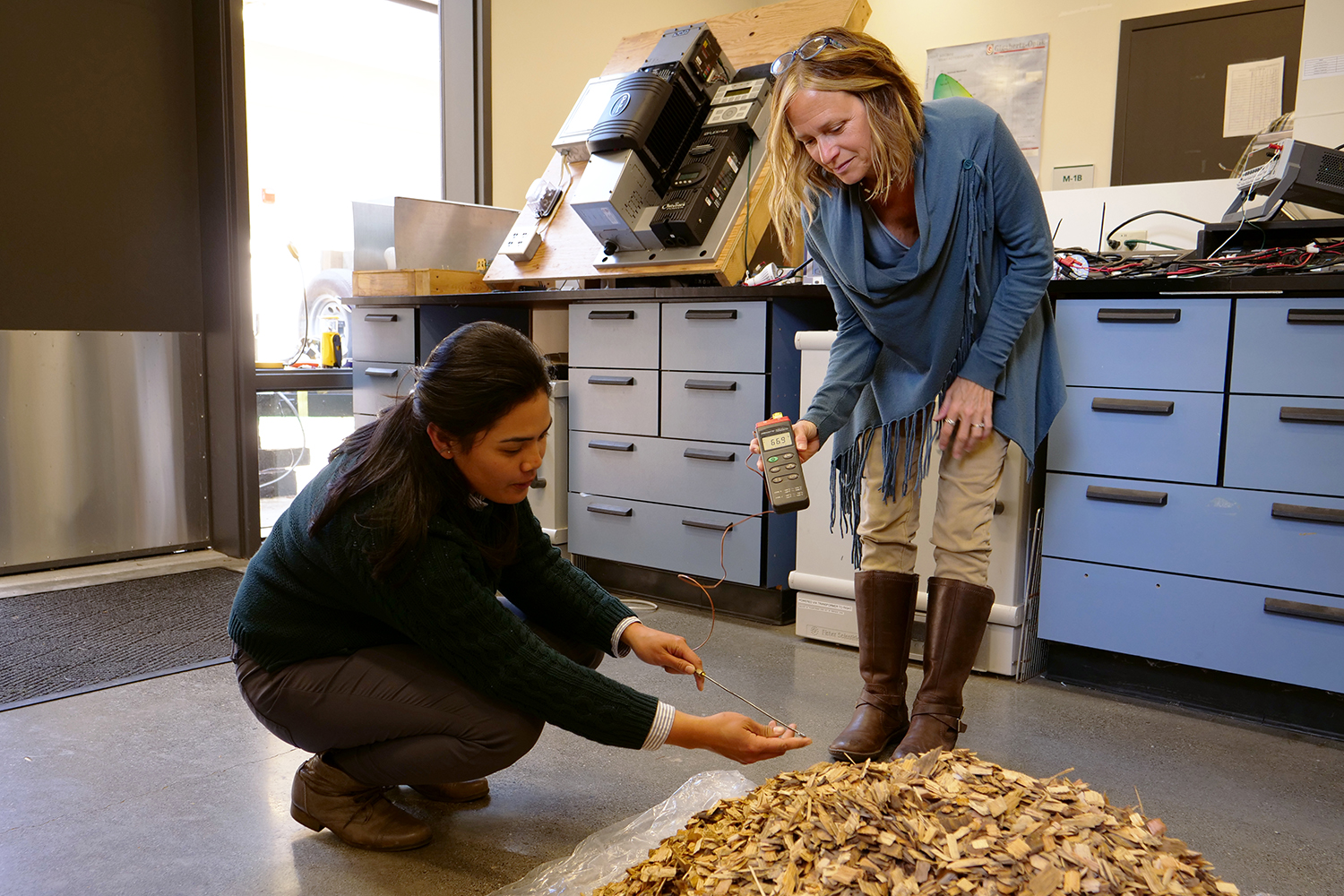
    Fifteen administrators from different CSU campuses that operate the ARI program visited the Schatz Center for a tour, demonstration, and to learn about our ARI-supported research. Director Arne Jacobson and faculty associates Sintana Vergara and Kevin Fingerman discussed their research on biochar quality and bioenergy lifecycle assessment. After their presentations, Graduate Student Research Assistant and Tuttle Fellow, Carisse Geronimo, provided a demonstration of the methods and results of her research characterizing the properties and decay rates of biomass woodchips.

    Learn more about our ARI-funded research:

  • Northern CA coast offshore wind feasibility study

    Northern CA coast offshore wind feasibility study

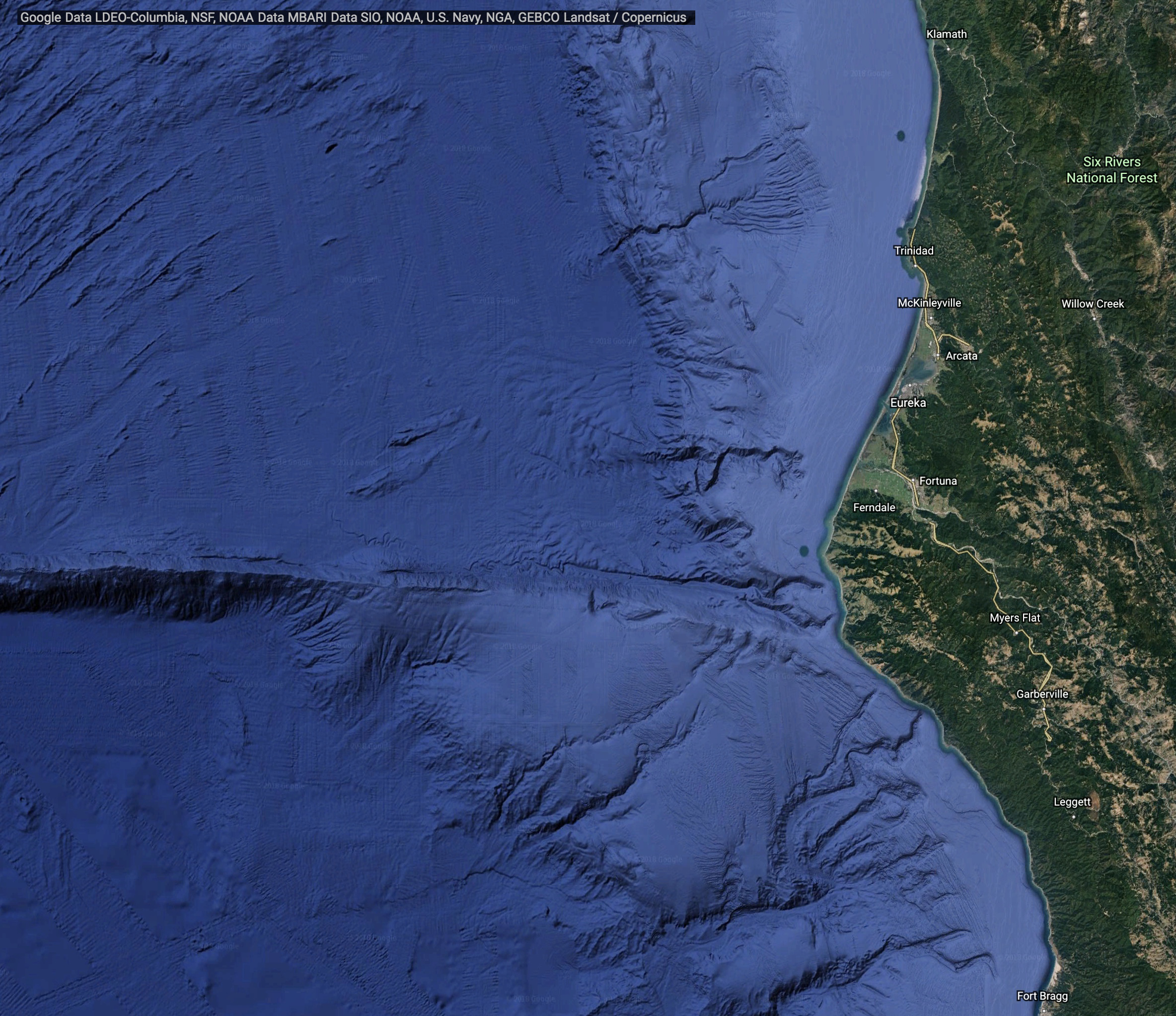
    On October 25, the Schatz Energy Research Center at Humboldt State University was awarded a grant from the California Ocean Protection Council (a division of the California Department of Natural Resources), to study the feasibility of offshore wind generation for the Northern California coast. The $623k grant will assess the environmental impacts, determine the required modifications of coastal infrastructure, examine stakeholder benefits and impacts, and evaluate local, state, and federal policies as they relate to offshore wind development.

    Offshore wind energy is likely to play an important role in meeting California’s targets for carbon neutrality by 2045. The offshore wind resource near Humboldt Bay is among the best in the nation, with wind speeds often exceeding 10 meters per second at 90 meters above the ocean’s surface (Schwartz 2010), which is the approximate height of wind turbines. The National Renewable Energy Laboratory estimates that the state’s offshore winds have the technical potential to produce 392 TWh per year, about 150% of California’s annual electricity load (Musial 2016).

    Analysis of North Coast wind speed data has shown that the wind power is fairly consistent throughout the day (Musial 2016) when compared to other renewable resources such as land-based wind or solar. Offshore wind could provide a more consistent power flow to the grid, which in turn would support increased integration of technologies with highly variable generation throughout the day, such as solar. But California’s deep ocean floor, sensitive ecosystems, seismic activity, and protected coastlines, will require careful research and development in order to responsibly develop offshore wind projects. Engaging California’s coastal communities — who have the most to lose from sea level rise due to climate change — in early research and planning is critical for successful future development efforts.

    The project is expected to kickoff in early 2019. For this project, the Schatz Energy Research Center is collaborating with ecological consultants from H.T. Harvey and Associates, coastal engineering specialists from Mott MacDonald, and faculty in the Economics and Environmental Science & Management departments at Humboldt State.

    References

  • Biochar Quality Assessment Project

    Biochar Quality Assessment Project

    Biochar has the potential to provide environmental and economic benefits to California’s agricultural sector through improved water retention [1], carbon sequestration [2], and reduced nutrient leaching [3], but realization of this potential is currently impeded by an information market failure [4]. In August, the Schatz Center was awarded a new project from the Agricultural Research Institute (ARI) to study the biochar market and evaluate how physical characteristics of different biochars relate to their market price. The outcomes from this project will help biochar producers understand how to price their product based on its characteristics, and it will help consumers identify the quality of different biochars using informed knowledge and price signals.

    The current market size for biochar is estimated around 400,000 tons per year for gardening and landscaping — but it is poised to quickly grow into much larger agricultural sector opportunities where biochar could gain an estimated 2% of the soil amendment market [5]. To achieve this growth, improved information about available biochar products is needed. Currently, many sellers may not receive the full value for their product, and consumers do not know the characteristics of the biochar they are considering for purchase because quality assessment protocols have not been widely adopted. This project aims to understand this market failure and help close the information gap between producers, distributors, and buyers by measuring the characteristics of a dozen biochar products and interviewing stakeholders about desirable properties. By improving the maturity of the biochar market, this project will help California farmers save water and improve crop yield by appropriate, context-specific biochar applications.

    As the first step in this project, Mark Severy attended the U.S. Biochar Initiative 2018 Conference in Wilmington, Delaware to deliver a presentation and connect with key stakeholders. The presentation, Biochar Quality and Market Assessment: Comparing Physical Properties to Market Value, provided an overview of the current state of the biochar market and demonstrated how price is not always reflective of quantitative, measured physical characteristics. Mark connected with many biochar producers who are willing to participate in interviews and contribute samples for testing and analysis.

    This work will continue by collecting samples of biochar and conducting measurements to quantify their chemical, physical, and agricultural properties. Before and after the tests, interviews with biochar suppliers and end users will be used to understand how they evaluate the use value of biochar in each context. Results will be disseminated through a webinar and technical report when the project concludes in early 2020.

    1. Abel, Stefan, Andre Peters, Steffen Trinks, Horst Schonsky, Michael Facklam, and Gerd Wessolek. “Impact of biochar and hydrochar addition on water retention and water repellency of sandy soil.” Geoderma 202 (2013): 183-191. doi: 10.1016/j.geoderma.2013.03.003
    2. Brassard, Patrick, Stephane Godbout, and Vijaya Raghavan. “Soil biochar amendment as a climate change mitigation tool: Key parameters and mechanisms involved.” Journal of environmental management 181 (2016): 484-497. doi: 10.1016/j.jenvman.2016.06.063
    3. Laird, David, Pierce Fleming, Baiqun Wang, Robert Horton, and Douglas Karlen. “Biochar impact on nutrient leaching from a Midwestern agricultural soil.” Geoderma 158, no. 3 (2010): 436-442. doi: 10.1016/j.geoderma.2010.05.012
    4. Groot, Harry, Jeff Howe, Jim Bowyer, Ed Pepke, Richard, A. Levins, and Kathryn Fernholz. “Biochar as an innovative wood product: A look at barriers to realization of its full potential.” Dovetails Partners, Inc. (2017) Accessed August 27 2018
    5. Sasatani, Daisuke and Ivan Eastin. “Demand curve estimation of locally produced woody biomass products.” Applied Engineering in Agriculture 34, no. 1 (2018): 145-155. doi: 10.13031/aea.12392
  • Evaluation of biomass conversion technologies: new publication released

    Evaluation of biomass conversion technologies: new publication released

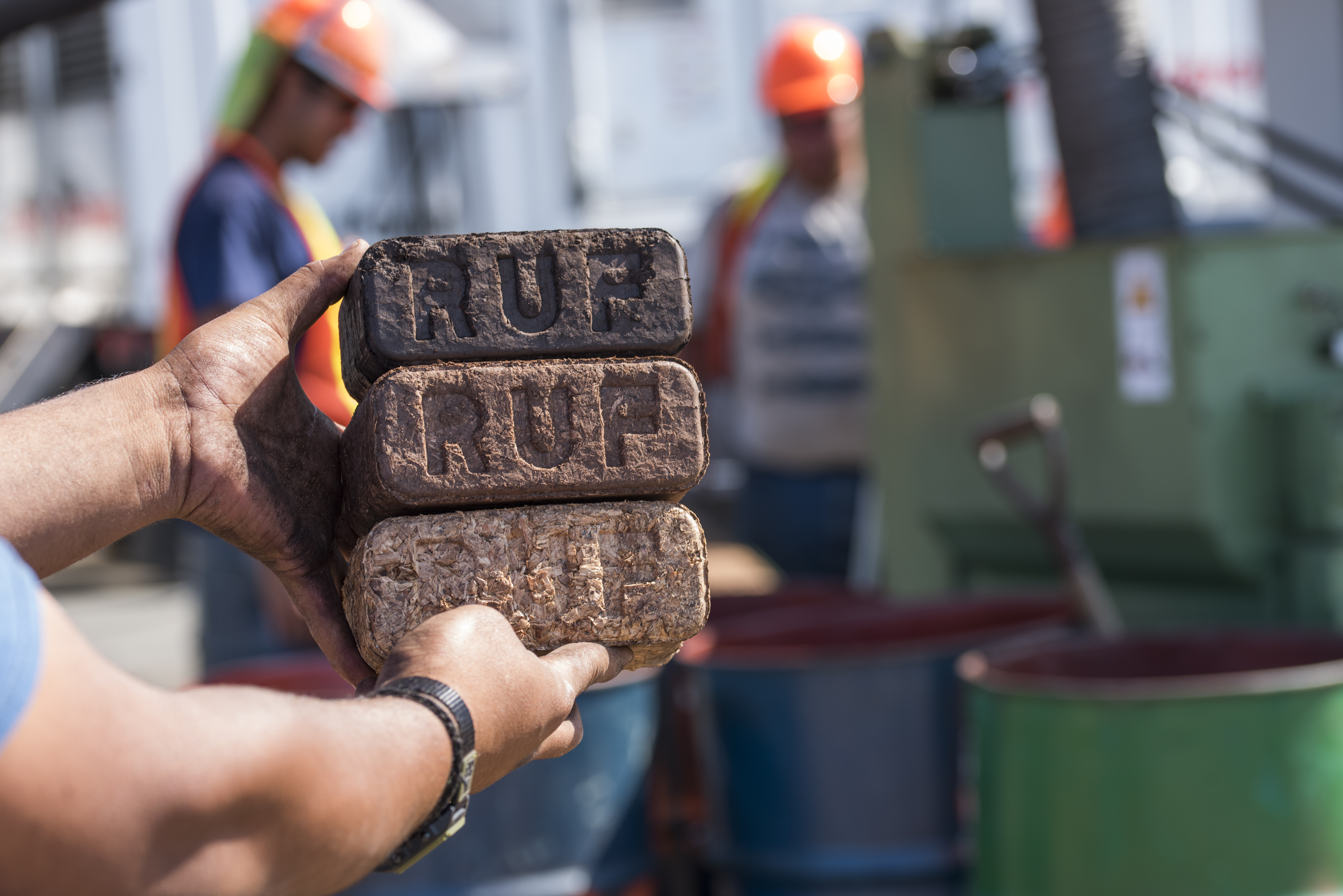
    We recently completed work on the Waste to Wisdom project that examined the entire supply chain of converting forest waste residues into bioenergy and wood products. The Center’s role was to evaluate equipment that produces biochar, torrefied biomass, electricity, or densified wood briquettes using forest residues as the input feedstock. Collaborators from Humboldt State’s Forestry Department analyzed the upstream collection of forest biomass, and experts from the U.S. Forest Service conducted a lifecycle assessment and economic analysis of the supply chain.

    SEM biochar image
    SEM biochar image (taken at the HSU CNRS Core Facility)

    Data collected by the Schatz Center during field tests of biomass conversion equipment were used to:

    • identify optimal process conditions,
    • specify feedstock limitations,
    • measure emissions,
    • evaluate product quality, and
    • recommend design improvements to equipment manufacturers.

    Results and conclusions from the entire project are presented in a special issue of Applied Engineering for Agriculture, published in February 2018. Four principal investigators, including Schatz Center Director Arne Jacobson, summarized the project’s objectives and major conclusions in the introduction article to the special issue. Engineers from Schatz authored four papers, on biochar production, torrefaction and briquetting, and gasification of forest residues:

    Collaborators at the U.S. Forest Service and the Consortium for Research and Renewable Industrial Materials (CORRIM) used the results collected from testing activities to conduct economic and environmental life cycle analyses of biomass conversion technologies. Field measurements from the Waste to Wisdom project will also be included in our current California Biopower Impacts project, which is evaluating the environmental impacts associated with utilization of forest-derived woody biomass for electricity generation.

    This work could not have been completed without close collaboration between our primary industry partners: Biochar Solutions, Inc., Norris Thermal Technologies, and Pellet Fuels Institute, who provided the testing equipment. Other partners that provided key support include the Green Diamond Resource Company, the Redwood Forest Foundation, Inc. (RFFI), All Power Labs, Bear Mountain Forest Products, Colorado Biochar Resources, Pueblo Wood Products, California Redwood Company, North Coast Air Quality Management District, RUF Briquetting Systems, and OMNI Test Labs.

  • Improving a Biochar Production System in Mendocino County

    Improving a Biochar Production System in Mendocino County

    by Kyle Palmer and Mark Severy

    For the past three years, the Redwood Forest Foundation, Inc. (RFFI) has produced biochar from small-diameter tanoak trees collected from thinning operations in Mendocino County’s Usal Forest. The Usal Forest ecosystem was disrupted by industrial logging operations throughout the 20th century. Tanoak’s rapid regrowth dominated canopy light, and interfered with redwood repopulation. RFFI is selectively removing tanoak to create the natural space that redwood needs to flourish, and converting the tanoak into biochar to help fund their restoration work.

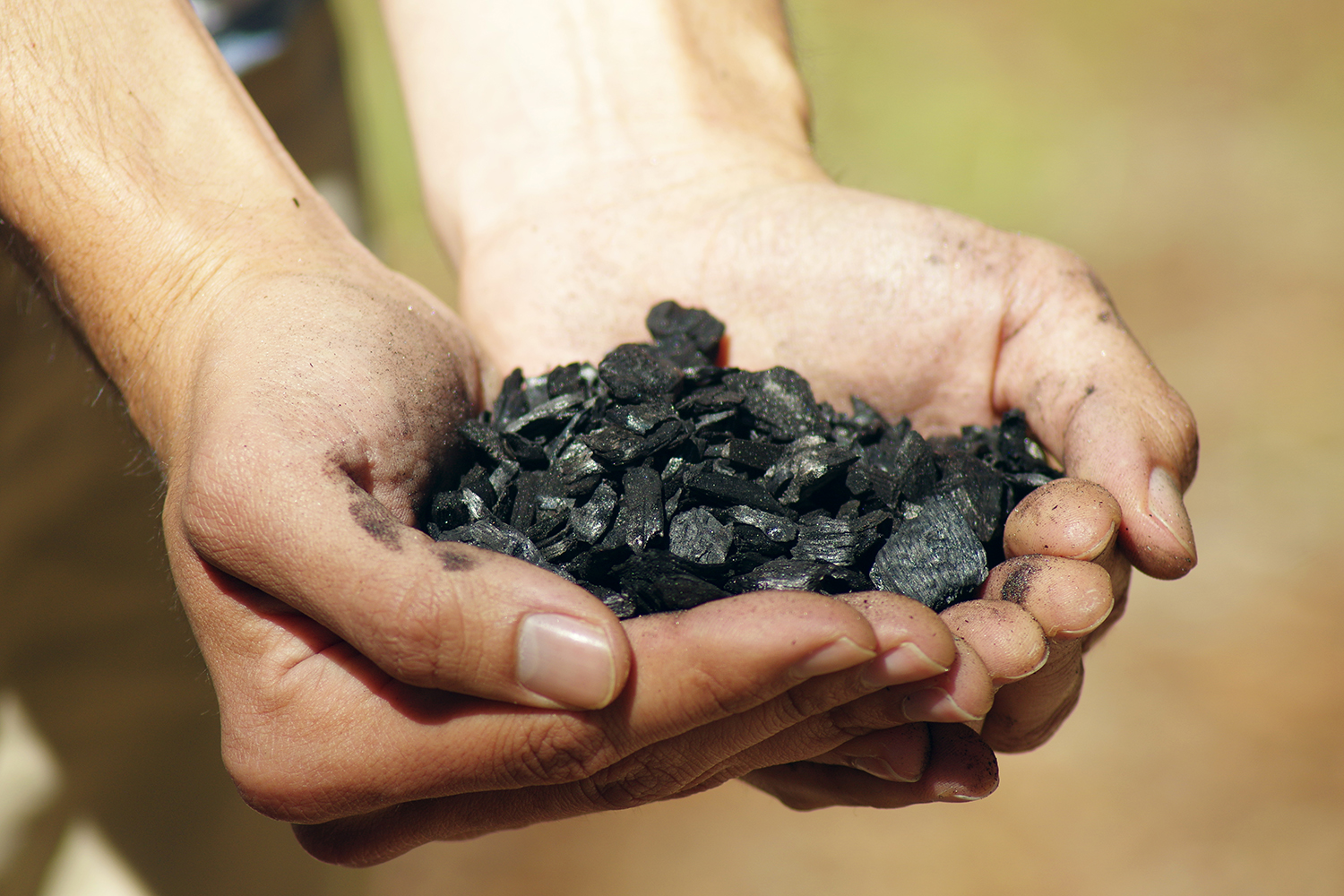
    Biochar, a blackened, solid biomass produced at temperatures above 500°C in the absence of oxygen, is used primarily as a soil amendment to increase water holding capacity, reduce nutrient leaching, and improve conditions for microbial life.

    RFFI’s biochar production operation has balanced on the edge of technical and economic feasibility due to the high moisture content of the tanoak feedstock and the labor costs required to operate the machine. In 2016, the Schatz Energy Research Center addressed moisture content by installing a biomass drying system that uses waste heat from the biochar machine. This year, the Schatz Center is working to reduce labor hours while improving safety and productivity, by automating key processes on the machine.

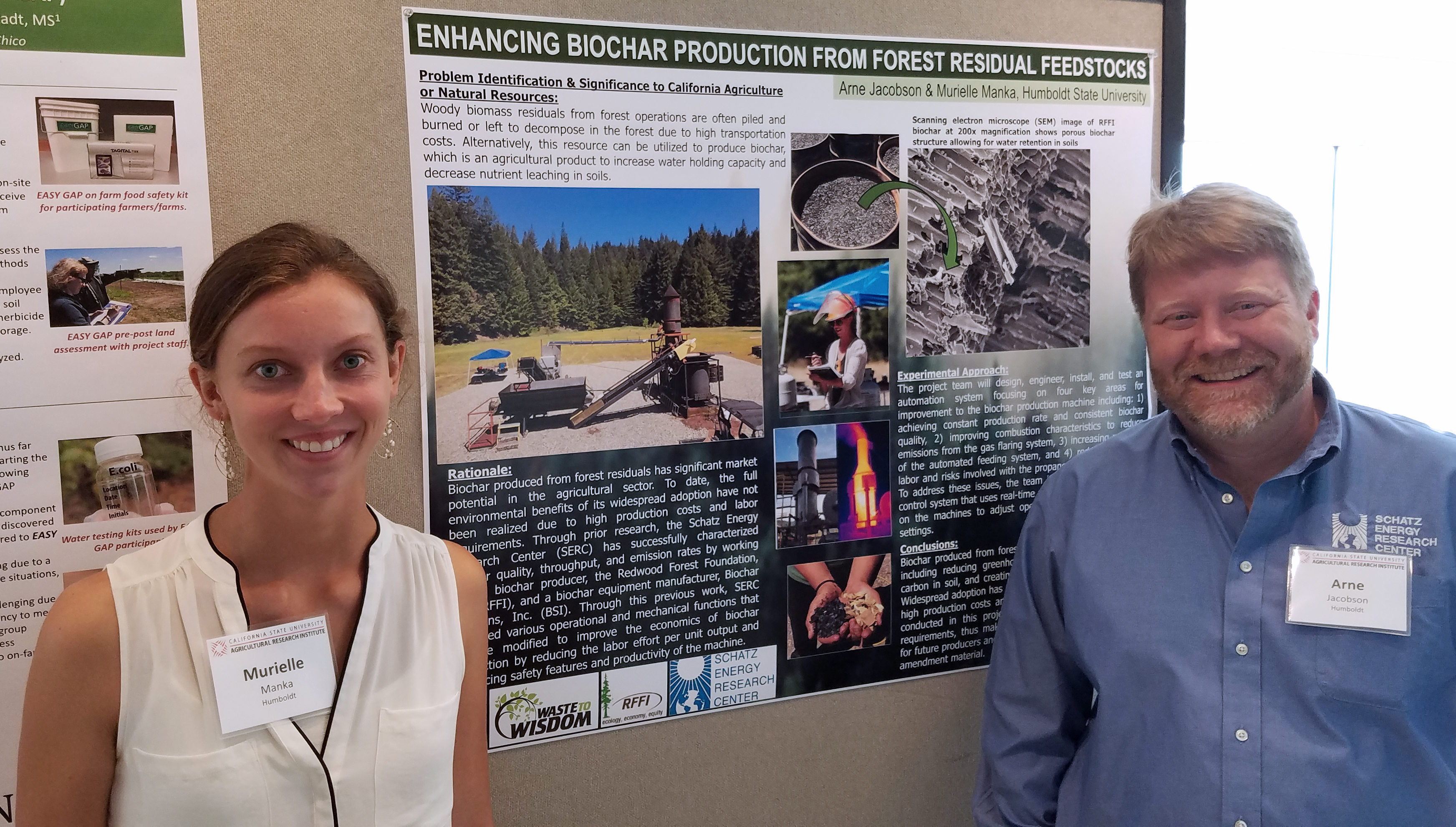
    In July and August, research engineers Kyle Palmer, Andy Eggink and student research assistant Murielle Manka evaluated baseline labor hours, biochar production rate, and biochar quality produced with the existing system. Throughout these tests, real-time data were collected for gas flow, composition, and electric power demand to help develop the control schemes. Monitoring and automation equipment are currently being installed and performance improvements will be validated in the coming months.

    The preliminary results from this study were presented in early September by Murielle Manka and Schatz Director Arne Jacobson at the Agricultural Research Institute’s (ARI) principal investigator’s meeting in Sacramento. Validation test results analyzed this autumn will quantify benefits of the automation system, including any reductions in labor, increases in throughput, and changes in biochar quality.

    This material is based upon work supported by California State University Agricultural Research Institute and a grant from the U.S. Department of Energy under the Biomass Research and Development Initiative program: Award Number DE-EE0006297.