Category: Publications

  • 9/14 webinar:  Energy Production and Delivery, and Economic Development — offshore wind feasibility studies

    9/14 webinar: Energy Production and Delivery, and Economic Development — offshore wind feasibility studies

    We hope you will join us this afternoon from 2:00-5:00 pm (Pacific) for the first webinar in Exploring the Feasibility of Offshore Wind Energy for the California North Coast. This will be the first of a five-part series in which we hope to build a collaborative discussion about the feasibility of offshore wind energy for the California north coast, and its potential to contribute to California’s clean energy and climate goals.

    We welcome participation in these events from a broad audience. Each session is free and open to the public. Closed-caption recordings will also be released following each webinar.

    Register now

    Today’s speakers

    We will open with remarks from:

    • Arne Jacobson, principal investigator on our offshore wind feasibility studies, and Director of the Schatz Center
    • Karen Douglas, Commissioner at the California Energy Commission, and
    • Necy Sumait, Chief of Renewable Energy for the Pacific Region at the Bureau of Ocean Energy Management

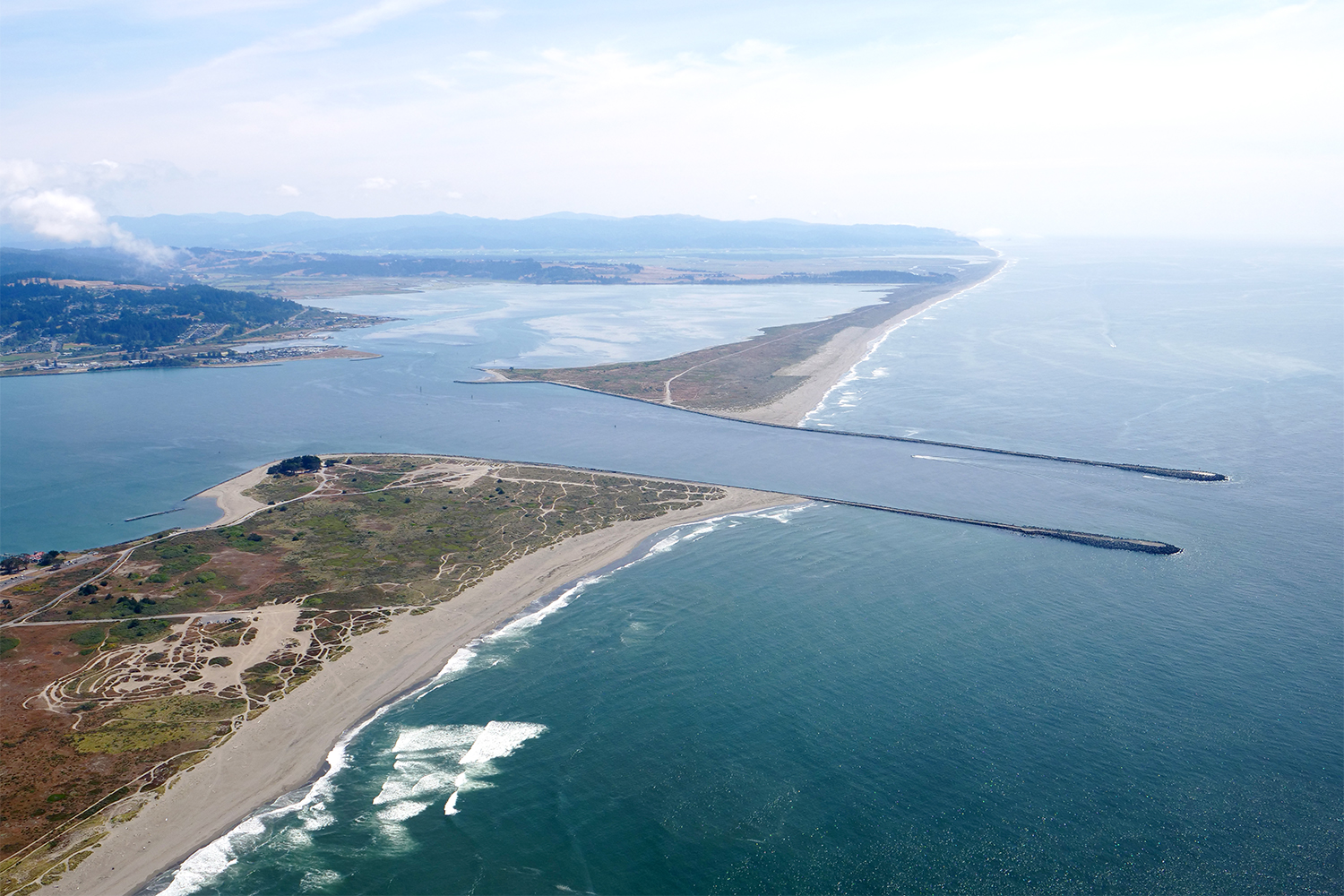
    Next, Arne Jacobson will share an overview of offshore wind technology, discuss how offshore wind could contribute to California’s clean energy and climate targets, and outline our recent and ongoing feasibility analyses of offshore wind in the Humboldt Bay region.

    Mark Severy will then share report findings on:

    • the offshore wind generation capacity on California’s north coast
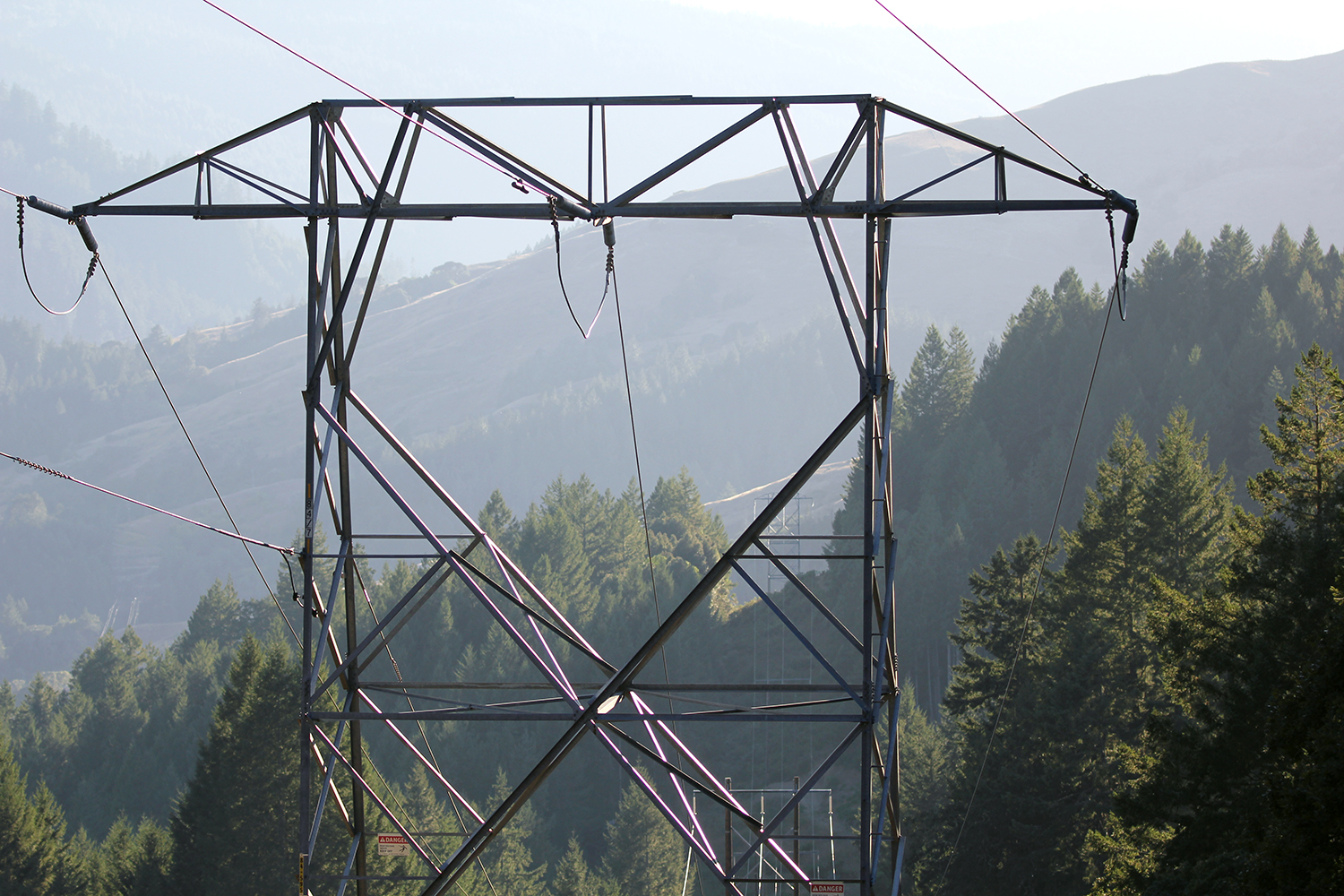
    • challenges related to the limited capacity of existing local transmission infrastructure
    • the economic viability of wind development
    • and potential economic and employment benefits

    Mark was formerly the project manager for these feasibility studies, and is now at the Pacific Northwest National Laboratory.

    We will then hear from five panelists with insight into generation and transmission, and to north coast goals for renewable energy and economic development:

    • Matthew Marshall, Executive Director, Redwood Coast Energy Authority
    • Jason Ramos, Tribal Council Vice Chair, Deputy Tribal Administrator, Blue Lake Rancheria Tribe of California
    • Neil Raffan, Regulatory Analyst, Integrated Resource Planning, Energy Division, California Public Utilities Commission
    • Marco Rios, Manager, Transmission System Planning, Pacific Gas & Electric
    • Donna Wright, President/CEO of the Greater Eureka Chamber of Commerce

    Panelist comments will be followed by a community discussion, in which participants are invited to ask questions and share their insights on the feasibility of offshore wind for the California north coast.

    Funding

    Production of this five-part offshore wind webinar series is supported by the Ocean Protection Council of the California Natural Resources Agency. The research studies were funded by the California Ocean Protection Council, the Governor’s Office of Planning and Research, and the Bureau of Ocean Energy Management. 

    More information

  • Save the dates! Exploring the Feasibility of Offshore Wind Energy for the CA North Coast

    Save the dates! Exploring the Feasibility of Offshore Wind Energy for the CA North Coast


    UPDATE (8/31): Registration for all sessions is now open


    This fall, our team is hosting a series of five webinar workshops on the feasibility of offshore wind energy development on California’s north coast.

    In each webinar, we will share topical findings from our recently conducted studies. After each presentation, there will be a moderated panel discussion. Webinar participants will then be invited to share their insights, questions, and perspectives.

    Schedule

    • Monday, September 14: Energy Production and Delivery, and Economic Development
    • Monday, September 21: Ecological and Geological Environment
    • Monday, September 28: Port and Coastal Infrastructure
    • Monday, October 5: Community Perspectives on Regional Impacts and Opportunities
    • Monday, October 12: Reflections and Next Steps

    Webinars will begin broadcasting at 2 pm (Pacific), and range in duration from 2-3 hours. We welcome participation in these events from a broad audience. Each session is free and open to the public, and closed-caption recordings will be released following each webinar.

    Registration

    We will open registration for all sessions on August 31. Agendas for each webinar will be posted on our wind studies page in advance of each webinar — as well as links to related reports as they are released.

    Learn more

    If you’re interested in receiving updates on our offshore wind research, including newly released reports and upcoming events, please send an email to windstudies@schatzcenter.org

    Funding

    Production of this five-part offshore wind webinar series is supported by the Ocean Protection Council of the California Natural Resources Agency. The research studies were funded by the California Ocean Protection Council, the Governor’s Office of Planning and Research, and the Bureau of Ocean Energy Management. 

  • Energy needs for covid-19 clinics

    Energy needs for covid-19 clinics

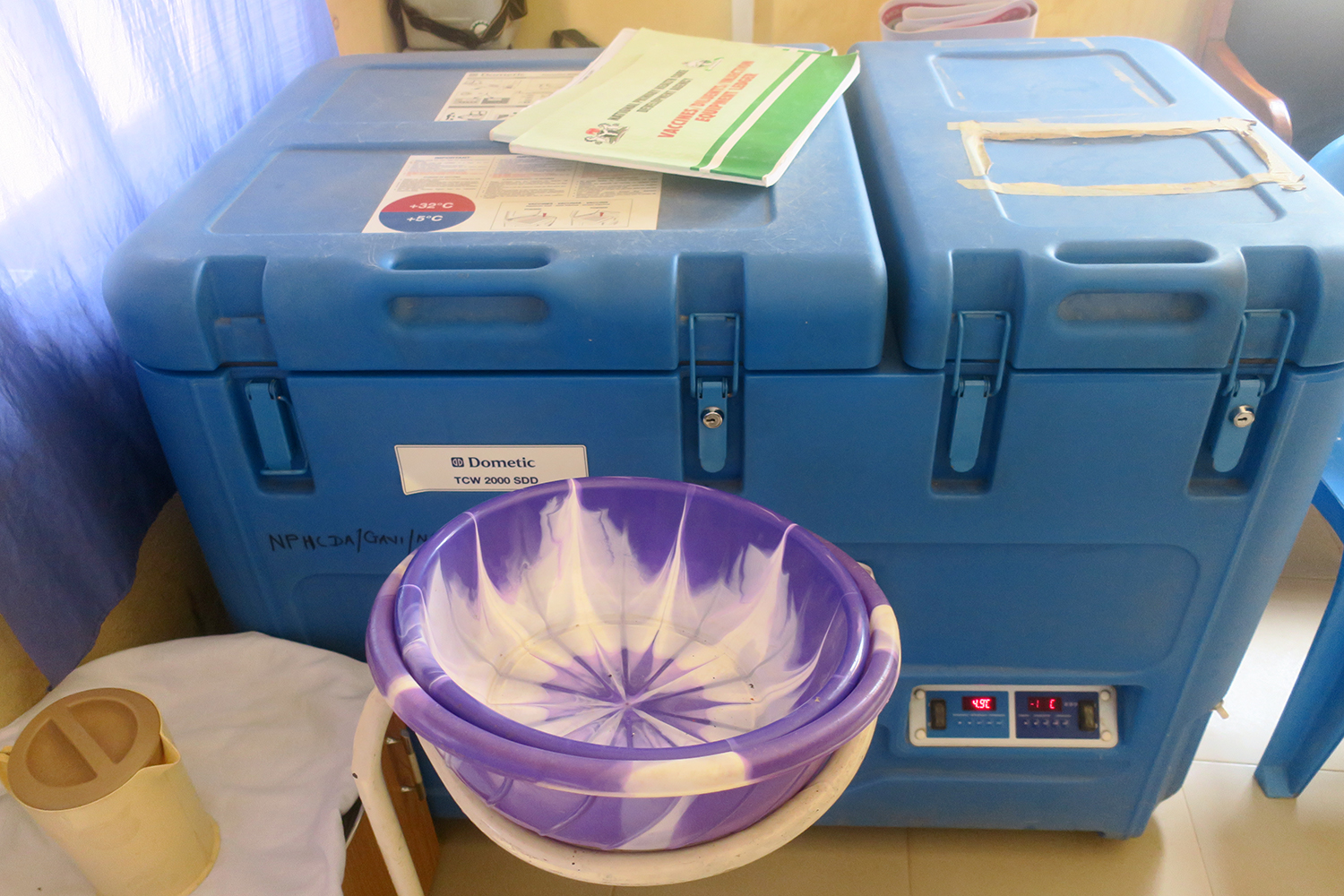
    Among the many challenges of the COVID-19 pandemic is the need to provide testing in regions with little to no access to an electrical grid. The most common approach for COVID-19 diagnostic testing involves collecting samples that must be kept cool or frozen until they reach centralized test facilities. In remote areas, transporting these samples can take several days. This spring, the Lighting Global program at the World Bank asked our off-grid research team to develop an initial assessment of the energy needs required for sample screening, clinic storage, and transportation to test laboratories.

    For this project, Meg Harper, Tyler Bernard, and Arne Jacobson from our off-grid team collaborated with Amy Sprowles, Associate Professor of Cellular and Developmental Biology at Humboldt State University. As a biomedical scientist with collaborators at the Stanford, UCSF and UC Davis medical schools, Dr. Sprowles contributed insight on screening and laboratory processes for COVID-19, including temperature requirements for sample storage and transport. We also reviewed the available literature on COVID-19 testing protocols, and guidelines from the World Health Organization (WHO) for vaccine refrigeration.

    Our recommendations are included in a new technical guidance note jointly published by the Schatz Center, the Energy Sector Management Assistance Program (ESMAP), and Lighting Global. This document aims to help energy and health professionals select best fit solar appliances and module installations for COVID-19 screening. The publication is one piece of a broader effort by the World Bank and other development agencies to improve health care delivery in regions without stable access to an electrical grid.

    Solar panels on clinic roof in Nigeria
    Solar panels at the Angwangarka Primary Health Centre, photo by Jimento Aikhuele
  • North Coast Offshore Wind Workshop – postponed

    North Coast Offshore Wind Workshop – postponed

    UPDATE 3/17/20

    The North Coast Offshore Wind Workshop scheduled for April 28 has been postponed. Our team is investigating options for sharing our initial findings, while maintaining clarity, accessibility, and community engagement. Please RSVP (see below) if you would like to receive information directly on these events.


    Original post

    The North Coast Offshore Wind Workshop will present initial findings about the opportunities and challenges associated with offshore wind energy in the Humboldt Bay region. This workshop is free and open to the public, and is being hosted by the California Ocean Protection Council and the Schatz Energy Research Center at Humboldt State University.

    The all-day event will be held on Tuesday, April 28, at the Wharfinger Building in Eureka, CA.

    • If you plan to attend, please RSVP. A recording will be made available to the public following the workshop. We are also currently exploring remote participation options.
    • Each session will include a presentation of findings and a panel discussion, followed by a Q&A.
    • Lunch and snacks will be provided by the Schatz Center for participants.
    • For additional information or to request accessibility accommodations, please contact the Schatz Center at (707) 826-4345 or by email.

    Learn more about the Schatz Center’s offshore wind feasibility studies. These studies are being funded by the California Ocean Protection Council, the California Governor’s Office of Planning and Research, and the Bureau of Ocean Energy Management.

    AGENDA
    8:00 amBreakfast Reception
    8:30 amIntroduction and Opening Remarks
    Presenters:
    Mark Gold, California Ocean Protection Council
    Karen Douglas, California Energy Commission
    Arne Jacobson, Schatz Energy Research Center
    9:00 amSession 1: Energy Generation, Transmission, and Economic Development
    Presenters:
    Mark Severy, Schatz Energy Research Center
    Steve Hackett, Humboldt State University
    10:45 amSession 2: Port and Local Infrastructure
    Presenters:
    Shane Phillips, Mott MacDonald
    Aaron Porter, Mott MacDonald
    12:15 pmLunch
    1:00 pmSession 3: Environmental Setting
    Presenters:
    Sharon Kramer, H.T. Harvey & Associates Ecological Consultants
    Scott Terrill, H.T. Harvey & Associates Ecological Consultants
    Mark Hemphill-Haley, Humboldt State University
    2:45 pmSession 4: Regional Perspectives
    Presenter:
    Laurie Richmond, Humboldt State University
    4:30 pmReflections and Next Steps

    Note: agenda details are subject to change. Please RSVP or visit this page again for schedule updates.

  • New publication: measuring residence time distributions in screw conveyor reactors

    New publication: measuring residence time distributions in screw conveyor reactors

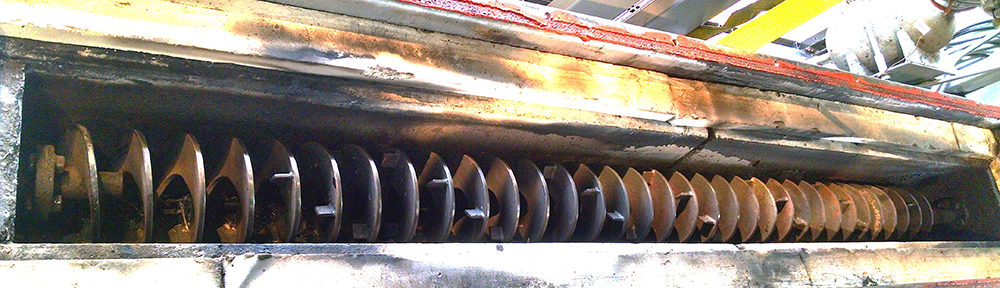
    Charles Chamberlin, David Carter, and Arne Jacobson recently authored an article on measuring residence time distributions of wood chips in a screw conveyor reactor. A screw conveyor or auger makes use of a rotating helical blade inside of a tube or trough to move wood chips, sawdust, flour, or other granular materials through a reactor — such as a dryer, heater, cooler, gasifier, or torrefier. How much change in the materials takes place in such reactors depends on the average residence time and how variable that residence time is.

    This paper compares three alternative methods for measuring the residence time distribution of wood chips in a screw conveyor reactor using experimental results from a pilot scale torrefier:

    • addition of material to an empty reactor (step-up),
    • halting addition of material to a reactor under steady flow, (step-down), and
    • addition of a pulse of labelled material (i.e., a tracer) to a reactor under steady flow.

    We found that all three methods yield residence time distributions that are approximately symmetrical and bell-shaped, but the distribution estimated from the pulse input of tracer exhibited a long trailing tail that was not detectable in either the step-up or step-down results. Second, we demonstrated that a normal probability plot provided a useful way to display and analyze the distributions obtained in the tracer experiments. Finally, we observed that all three methods yielded mean residence times that consistently differed from the nominal values, with the step-up method averaging 8% shorter, the pulse addition of tracer averaging 7% longer, and the step-down averaging 60% longer.

    The article appeared in the August 2018 issue of Fuel Processing Technology.

  • Quality Matters: a new report from Lighting Global

    Quality Matters: a new report from Lighting Global

    The Lighting Global Quality Assurance Program works to ensure that solar products sold around the globe meet established quality standards for product durability, representation of product performance, and warranty. To obtain quality verification, manufacturers may submit products for testing at laboratories in the Lighting Global network.

    Pico-solar products include lanterns and simple systems with a peak PV module power up to 10 watts. These small systems encompass 85% of the global cumulative sales of off-grid solar devices. Although more than 30 million quality assured off-grid solar products have been sold globally over the past eight years, the sales numbers for products that do not undergo quality verification (hence are “non-QV”) is even higher. Field observations and customer experiences indicate that non-QV products typically underperform compared to the standards established by Lighting Global.

    In order to ascertain the actual performance of these devices, Lighting Global laboratories recently tested 17 pico-solar non-QV products that are top-sellers in Ethiopia, Kenya, Myanmar, Nigeria and Tanzania. Products were purchased direct from market retailers.

    Key results:

    All 17 evaluated products failed to meet the Lighting Global Quality Standards for pico-PV products.

    • 94% of the tested products fail to meet the Standards due to one or more deficiency that
      affects product durability.
    • 88% of the tested products inaccurately advertise product performance.
    • 88% of the tested products do not include a consumer-facing warranty.
    • 76% of the tested products would require significant changes to product design and
      components to meet the Quality Standards.

    The Lighting Global Quality Assurance team issued the report this August as part of the Technical Notes series. Chris Carlsen (a Schatz Center alumnus) led the effort in collaboration with team members from CLASP, the Schatz Center, World Bank Group regional lighting programs, and the Lighting Global network of test labs.

    Read the complete report on the Lighting Global website…

  • Evaluation of biomass conversion technologies: new publication released

    Evaluation of biomass conversion technologies: new publication released

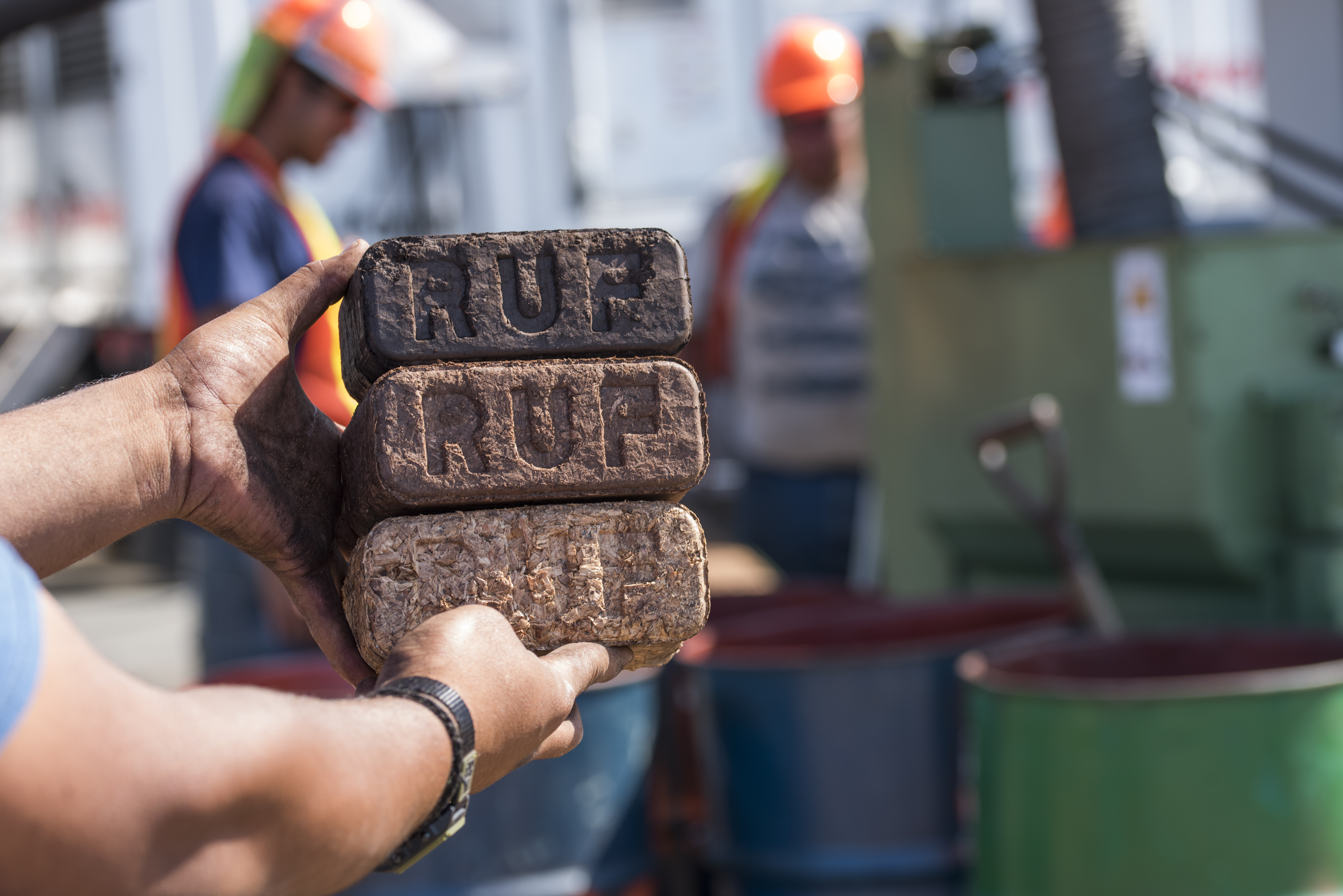
    We recently completed work on the Waste to Wisdom project that examined the entire supply chain of converting forest waste residues into bioenergy and wood products. The Center’s role was to evaluate equipment that produces biochar, torrefied biomass, electricity, or densified wood briquettes using forest residues as the input feedstock. Collaborators from Humboldt State’s Forestry Department analyzed the upstream collection of forest biomass, and experts from the U.S. Forest Service conducted a lifecycle assessment and economic analysis of the supply chain.

    SEM biochar image
    SEM biochar image (taken at the HSU CNRS Core Facility)

    Data collected by the Schatz Center during field tests of biomass conversion equipment were used to:

    • identify optimal process conditions,
    • specify feedstock limitations,
    • measure emissions,
    • evaluate product quality, and
    • recommend design improvements to equipment manufacturers.

    Results and conclusions from the entire project are presented in a special issue of Applied Engineering for Agriculture, published in February 2018. Four principal investigators, including Schatz Center Director Arne Jacobson, summarized the project’s objectives and major conclusions in the introduction article to the special issue. Engineers from Schatz authored four papers, on biochar production, torrefaction and briquetting, and gasification of forest residues:

    Collaborators at the U.S. Forest Service and the Consortium for Research and Renewable Industrial Materials (CORRIM) used the results collected from testing activities to conduct economic and environmental life cycle analyses of biomass conversion technologies. Field measurements from the Waste to Wisdom project will also be included in our current California Biopower Impacts project, which is evaluating the environmental impacts associated with utilization of forest-derived woody biomass for electricity generation.

    This work could not have been completed without close collaboration between our primary industry partners: Biochar Solutions, Inc., Norris Thermal Technologies, and Pellet Fuels Institute, who provided the testing equipment. Other partners that provided key support include the Green Diamond Resource Company, the Redwood Forest Foundation, Inc. (RFFI), All Power Labs, Bear Mountain Forest Products, Colorado Biochar Resources, Pueblo Wood Products, California Redwood Company, North Coast Air Quality Management District, RUF Briquetting Systems, and OMNI Test Labs.